China’s Rise Is No Threat to the Liberal International Order
 Facebook
 Twitter
 Linkedin
 Google +
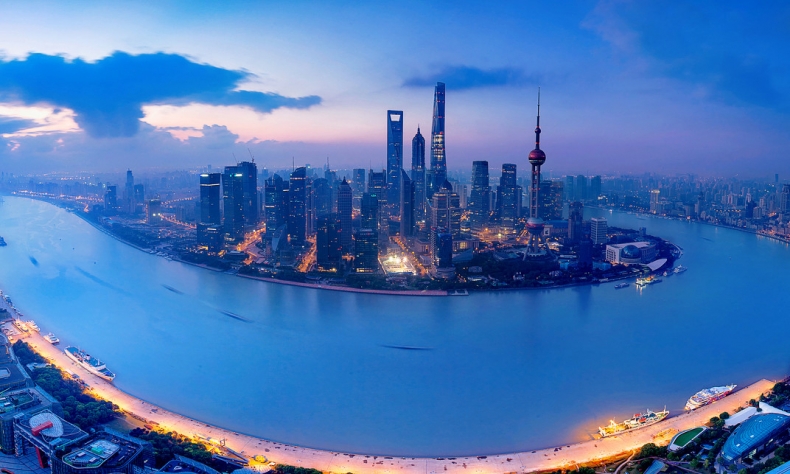
China’s growth is being realized within the existing international order. China has no reason to sabotage it nor the intention to supplant America’s global preeminence.
China has given the world a sterling report card for its economic reform over the last four decades. Its achievements have won admirations and applauses across the world, from men on the street to political elites. Its success stories are inspirations to leaders of the emerging economies who see in China an alternative development model, a growth path that is strikingly different from the conventional economic text.
But its meteoric rise has also stirred concerns and fears in the West. To the advocates of Western democracy, China is a centralized authoritarian regime, the rise of which is a threat to the liberal international order. Particularly, America views China as a revisionist power that poses an imminent challenge to its global hegemony. In a radio interview last year, U.S. Secretary of State Mike Pompeo alleged that China is “buying an empire” with its Belt and Road Initiative, and America intends to “oppose them at every turn”.
Are such allegations justified or misguided? What sets China’s political system apart from the rest of the world?
China’s centralized system is rooted in its history
“The Chinese tradition of order imposed by a centralized system” is “a pattern that goes back at least 3,500 years”, says Newt Gingrich, former US House Speaker in his newly published book “Trump Vs China: Facing America’s Greatest Threat”.
Newt Gingrich, a harsh critic of the Communist Party of China (CPC) has no empathy for China. However, he is right in pointing out that China’s political system under CPC is rooted in thousands of years of its history, a system that is inextricably embedded in its millennial-old civilization.
Centralization has been China’s mainstream political philosophy spanning from the ancient dynasties to modern days. China has remained a unified nation after Qinshihuang’s conquest of the Warring States more than 2,000 years ago despite the rise and fall of the dynasties, thanks to the centralized system. It glues the immense territory together and prevents China from falling into the fate of Europe – disintegration into small nation states.
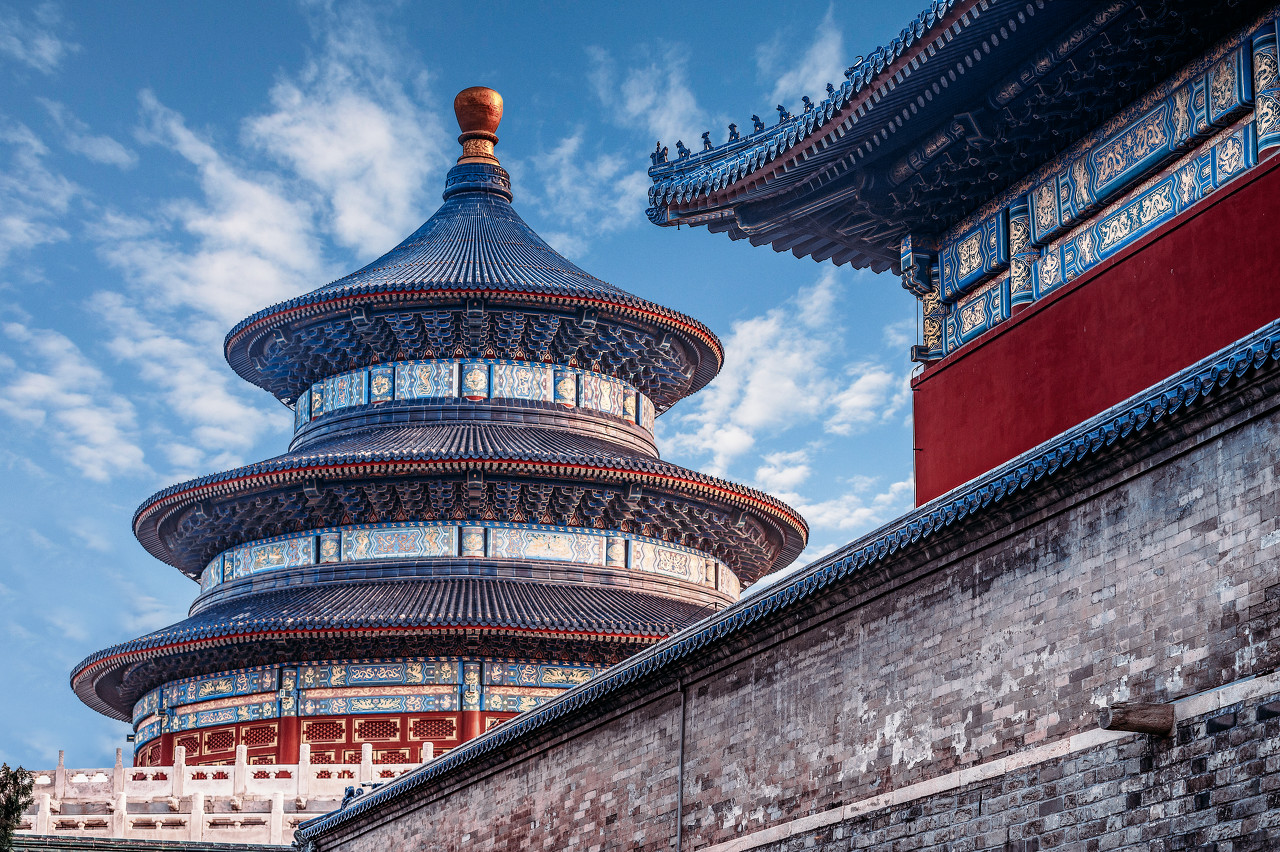
China’s centralized system of governance is run based on meritocracy – a key tenet of Confucianism, which is the bedrock of Chinese civilization. “When the Great Principle prevails, the world belongs to all, rulers are selected according to their wisdom and ability (?道之?也,天下為公,選賢與能),” said Confucius.
In ancient China, talents were picked based on the principle of meritocracy through an open imperial examination system to serve the ruler of the day. Likewise, in present day China, leaders are selected after they have passed through tiers of ability and loyalty mill tests.
Centralization and meritocracy are the foundation of Chinese polity. Despite regime change, they have remained China’s unchanged statecraft throughout its history. CCP’s consultative democracy is, in fact, a blend of centralization and meritocracy.
Advantages of China’s political system
Many factors have contributed to China’s startling economic rise. Free trade and globalization are unequivocally important drivers. However, many countries with a huge population or immense territory such as India, Russia and Indonesia have not been able to achieve the same economic growth as that of China, even though the same international environment and opportunities were availed to them. Many political pundits and economists have failed to recognize that what sets China apart from others in its development path is, in fact, its unique political system.
China’s centralized CPC-led system has obvious advantages over electoral democracy as it allows the government to formulate long-term economic development plans for the country as opposed to focusing on short term populist policies for voters’ satisfaction. It is not uncommon for a new government to reverse development policies of the previous regime due to different ideologies in a parliamentary democracy.
Meritocracy and political stability enhance government efficiency and accountability. China is well acknowledged for its high efficiency in delivering mega infrastructure projects. It builds highways, railways, bridges, dams, power plants, airports and other infrastructure projects in record time, now come to know as “China Speed”. Typically, a HSR project in China takes about 4 years to complete irrespective of its size, whilst in other countries, a similar project may take up to a decade to build.
“China Speed” speeds up China’s economic growth as infrastructure is not only the prerequisite, but also the catalyst for economic development.
BRI – a platform for international cooperation
China’s Belt and Road Initiative (BRI) is the biggest infrastructure built out in the history of mankind. It is a mammoth transcontinental development project that aims to build connectivity across the Eurasian landmass based on the principles of mutual consultation, joint contribution and shared benefits.
“China will actively promote international cooperation through the Belt and Road Initiative. In doing so, we hope to achieve policy, infrastructure, trade, financial, and people-to-people connectivity and thus build a new platform for international co-operation to create new drivers of shared development,” said President Xi Jinping at the 19th CPC National Congress.
Sound infrastructures are the prerequisite for economic development. According to ADB’s estimate, Asia alone requires $26 trillion of infrastructure investment from 2016 to 2030 in order to maintain its growth momentum, eradicate poverty and respond to climate change. China is well positioned to contribute to the global infrastructure investment needs in view of its technology and expertise in building infrastructure projects, coupled with its huge pool of foreign reserves.

To deepen its reform, China must move up the global value chain, migrate its low technology industries and alleviate its excess industrial capacities by opening-up new markets. BRI connects China’s landlocked northwest provinces to the world with overland highways and railways. It opens a safe passageway to the Indian Ocean through the China-Pakistan Economic Corridor.
BRI is thus a win-win transnational development project benefiting China and the partner countries.
However, in the eyes of Washington, BRI is China’s grand strategy to project its global influence and a challenge to America’s world supremacy. Washington accused China of coercive economic diplomacy by indiscriminate lending to developing countries with poor repayment ability, eventually seizing the strategic assets of the recipients when they failed to repay the loans – a scheme propagated by the West as “debt trap”.
China is developing through interaction with the world
China is a member of the global village. It is developing through interactions with the world.
“China has been seeking development with its door open. China has embraced the world, learned from the world, and contributed to the world, through positive interaction and shared development.” China sums up its relationship with the world in “ China and the World in the New Era”, a White Paper commemorating the 70th Anniversary of the founding of the People’s Republic of China.
China promotes interconnected development and benefits from the existing international order. It advocates free trade and multilateralism.

When China started its reform and opening-up to the world, the West cast a mould, expecting China to grow accordingly. However, China took a path not traversed by others – a mixed economy under the centralized authoritarian system, or as CPC puts it, Socialism with Chinese Characteristics. It is a system rooted in thousands of years of its history and civilization, a development model that suits China and produces an economic miracle never seen in human history.
The Belt and Road Initiative is China’s mega initiative for globalization aiming at win-win outcome. It is China’s offer of public goods to the world as an emerging economic superpower, a manifestation of its age-old philosophy, “When you are rich, share your wealth with the world (達則兼濟天下).”
China is now the second largest economy and top trading nation in the world, contributing about 30 percent to global growth. Inevitably, the international order should reflect the new economic dynamics of the 21st century.
While China’s economic achievements offer valuable lessons to the world, it has no messianic aspirations. As President Xi Jinping has categorically said, “We will not import other countries’ models, and will not export the China model.”
China’s growth is being realized within the existing international order. China has no reason to sabotage it nor the intention to supplant America’s global preeminence.
China’s rise is no threat to the liberal international order!
The opinions expressed in this article are the author’s own and do not reflect the views of China Focus.