Ensuring Food for All
 Facebook
 Twitter
 Linkedin
 Google +
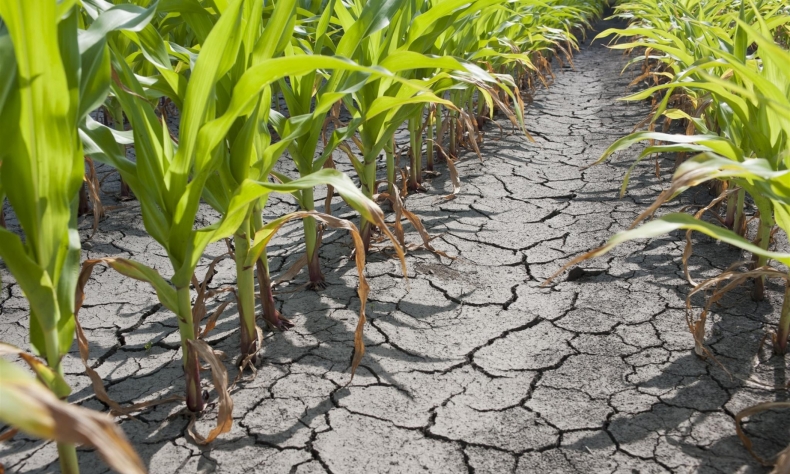
All countries should avoid export bans and ensure food can be transported, traded and marketed without restrictions.
While the novel coronavirus disease (COVID-19) epidemic is well under control in China, it is rapidly spreading in Europe and the U.S. and has begun to affect less developed countries in Africa, South Asia and Latin America.
COVID-19 is a global health crisis not seen in decades. Without proper measures, a global food crisis leading to a much larger humanitarian disaster may follow, caused not by a shortage of food, but due to panic that can lead to severe disruptions in the global supply chain.
On April 3,?The New York Times?reported that the Eurasian Economic Commission, the supranational regulatory body of the Eurasian Economic Union, has decided to restrict exports of sunflower seeds, buckwheat, rice and rye from the member states of Russia, Kazakhstan, Belarus, Armenia and Kyrgyzstan until June 30. In addition, Ukraine, Viet Nam, Cambodia and India have all imposed restrictions on food exports. Egypt will halt exports of legumes for three months to preserve local stocks.
The 2007-08 food price crisis reminds us that export bans can drive food prices up and cause volatility. Prices of wheat and maize began to increase in 2007, partly triggered by bad weather in Australia and Argentina and high oil prices. Due to panic and pressure to protect domestic supply, leading rice exporters like India, Vietnam, Cambodia, and Thailand imposed restrictions on or even halted rice exports in late 2007. Major importers such as the Gulf states and the Philippines had to sign contracts for imports at very high prices for fear that they might not have adequate supplies to meet domestic demand. All these led to more export bans and panic purchases. As a result, the international rice price jumped dramatically, increasing from $300 to $1,200 per ton from January to May 2008. Millions of poor families were hit hard as they had to spend more on food. Many small farmers also suffered because 40 percent of them were net food buyers.
Global collaboration
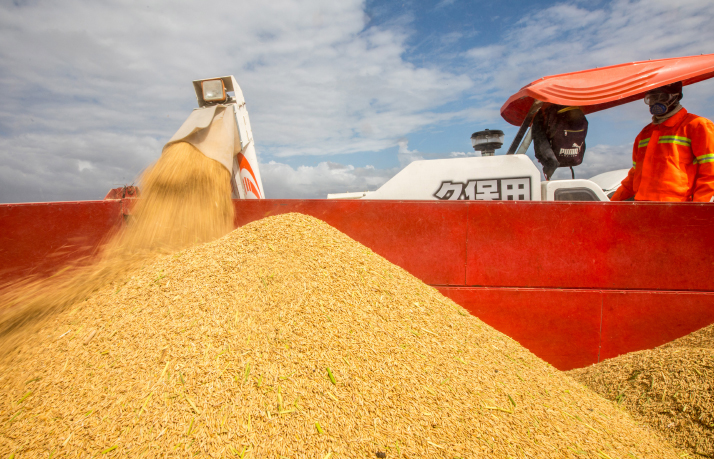
Currently, an encouraging news is that global cereal markets are expected to remain stable, according to the UN Food and Agriculture Organization (FAO). The total world cereal production for 2019 amounted to 2,721 million tons, an increase of 2.4 percent over the previous year. As a result of adequate supply, food prices declined 4.3 percent between February and March. Wheat price saw a moderate increase, while that of rice rose for three consecutive months due to high demand from the Middle East and Africa.
On March 19, UN Secretary General António Guterres called for solidarity. He said it is everybody’s responsibility to work together to contain COVID-19. The spirit is also essential to mitigating the effects of the virus on the global food supply chain.
All countries should avoid export bans and ensure food can be transported, traded and marketed without restrictions. The World Trade Organization, the World Health Organization, FAO, the World Food Programme, the World Bank, and the Consultative Group on International Agricultural Research should set up a working group to monitor prices, stocks, supply and demand, and trade not only at the global and national levels, but also at the local, regional and community levels. Local monitoring is critical as road blocks and restrictions on people’s movement can lead to food shortages in different areas.
Special programs must be developed and implemented to ensure poor and other vulnerable and disadvantaged groups such as children, the elderly, the disabled and unemployed rural migrants have access to nutritious food. Free school meals are important to ensure students have access to food and nutrition in many developing countries. These programs must be sustained.
Local and regional supply chains must function effectively. China’s experience in establishing fast-track green channels for the transportation of fresh food and inputs can be emulated by countries in similar settings. Workers should also get assistance in traveling to their jobs in the food supply chain and their health must be protected.
Finally, various multinational agencies and national governments must increase financial assistance, credit and tax rebates as part of the stimulus package for farmers and other actors in the whole value chain, so that food production, marketing and trade can continue to flow during and after the?emergency.
China’s experience
China was the first country to combat COVID-19. Numerous government policies have been introduced to ensure food security during the epidemic.
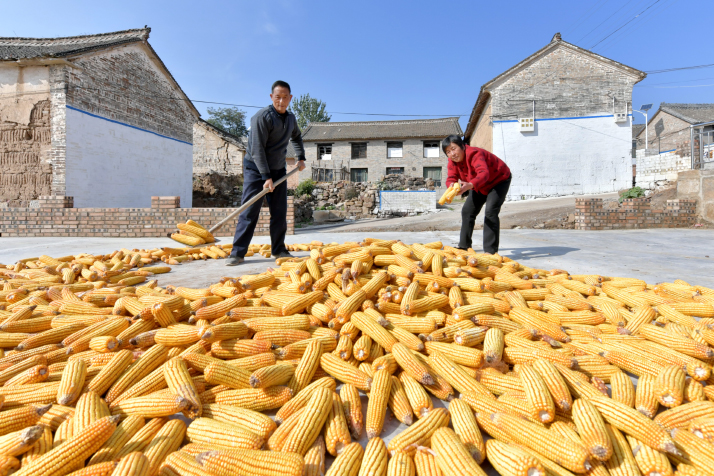
China’s food production was strong in 2019, which provided a solid foundation for food supply. Grain output was 663 million tons, almost 0.9 percent more than the 2018 level. Currently, the stock of rice and wheat is high and can meet domestic demand for one year. Grain imports accounted for only 1-2 percent of domestic consumption in recent years. While China’s soybean demand is mainly met by imports, which stood at 88.5 million tons in 2019, the supply of soybean from Brazil and the U.S., two largest producers, is stable. There is no sign that supply from these two countries will be disrupted by COVID-19.
In February, China’s consumer price index, a gauge of inflation, went up 5.2 percent year on year. But food prices surged 21.9 percent, largely due to pork price hikes triggered by the impacts of the African swine fever on hog production. On a month-on-month basis, national consumer prices rose 0.8 percent, while food prices increased 4.3 percent, led by an uptick in the prices of fresh vegetables and meat due to the outbreak of COVID-19.
Due to coronavirus lockdowns, the livestock and poultry sector was hit very hard in February. Many enterprises struggled with insufficient inputs, especially feed, and lack of access to markets. Worse still, many workers could not return from the Spring Festival holiday due to travel restrictions. In addition, bans on live poultry trading affected sales of chickens and ducks, as well as seedlings. Farmers had no incentive to restock. According to industry estimates, the number of chicks and ducklings fell about 50 percent. If calculated according to the 40-day production cycle, the market supply of poultry will be significantly reduced after the first quarter. Coupled with the impact of the African swine fever that is still ongoing, there will be a significant gap between meat supply and demand.
Vegetable production was also affected. A survey by the China Agricultural Policy Research Center of Peking University showed that 24 percent of vegetable farmers saw a drop in production due to the outbreak, with an average decline of one third.
The epidemic will also have an impact on the production of major crops such as grain, cotton, edible oil and sugarcane, as it made it difficult to purchase seeds, fertilizer, pesticides and other inputs needed for spring planting. Seed supply is also a major concern. According to the China Seed Association, the outbreak has adversely affected the production and operation of more than 90 percent of seed enterprises. As the epidemic brought transportation and logistics to a near halt, more than 75 percent of enterprises faced transportation challenges. Nearly 40 percent of seed enterprises reported zero sales, while sales were no more than 30 percent of the total production.
On January 30, the Ministry of Agriculture and Rural Affairs (MARA), the Ministry of Transport and the Ministry of Public Security jointly issued a notice prohibiting unauthorized interception, road blocks and disruption of transportation of agricultural inputs and outputs.
A MARA document on February 10 specified incentives for farmers to start farming with necessary disease prevention and other measures to support agricultural production.
To resume livestock production, on February 15, MARA and two other ministries jointly rolled out measures to support the reopening of feed and meat processing enterprises as soon as possible and ensure smooth delivery of raw materials and products.
To encourage food imports to ease the pressure on food supply, the General Administration of Customs of China announced on February 16 that more countries and companies would be allowed to export agricultural and food products to China. The administration also pledged to speed up customs clearance, shorten the quarantine and review period, and open green channels for agricultural products in key ports.
MARA has also published a plan for 2020, outlining targets for crop planting areas and measures to ensure grain production and supply, improve plantation structure, and control chemical pesticide and fertilizer use in crop production.
With all these policies and measures in place, it is expected that China’s food supply in 2020 will remain stable, although meat prices are likely to remain under pressure due to the impacts of the epidemic on the livestock sector. Securing imports of soybean and meat will be key to avoiding further spikes in domestic meat prices.
The author is former director general of the International Food Policy Research Institute and chair professor at China Agricultural University.