Electric – Future of a Carbon-Neutral World
 Facebook
 Twitter
 Linkedin
 Google +
Building a global, interconnected and truly sustainable energy system for today’s and future generations with the help of fascinating technologies will bring unbelievable value for sustainable societies. This is what makes me proud and excited to be part of bringing such a vision to fruition.
Why will electricity be the crux of a carbon-neutral energy system? In short, electrifying the globe can only work with a much more flexible and interconnected power system, enabled by the right conditions.
Electricity will be the backbone of our entire energy system
Electricity has improved our standards of living since its invention more than 200 years ago. But the changes that deepen electrification in the name of sustainability over the next 30 years will go beyond anything that we’ve seen so far. Analysis comparing and contrasting multiple recent studies of the evolution of the total world energy system shows that global electricity consumption will more than double from 20% today to over 40% of total energy demand by 2050. And certain regions of the world will go far beyond this level of electrification. The forecasts all come to the same conclusion: The future of a carbon-neutral world is electric.
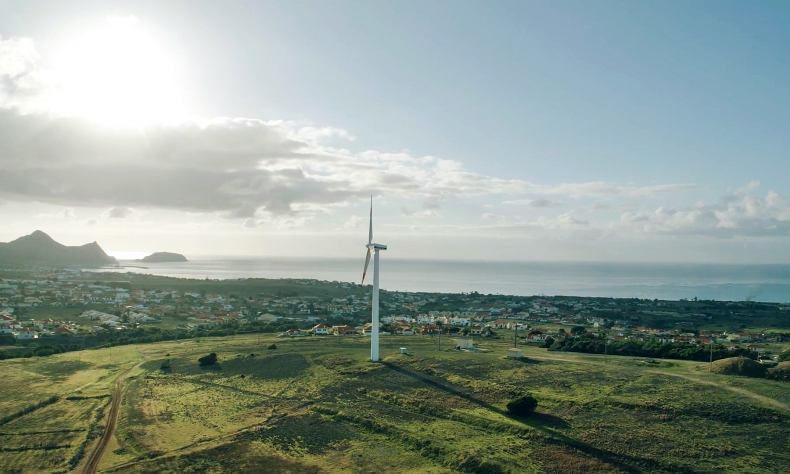
Three building blocks are stacking up to deliver this carbon-neutral electric future: connecting larger volumes of wind, solar and hydro to grids; electrifying the world’s transportation, building and industrial sectors; and, in cases where direct electrification is neither efficient nor impossible, introducing complementary and sustainable energy carriers, such as green hydrogen. Combined, these blocks will give us the foundation upon which electricity will become the backbone of our entire energy system and upon which sustainable societies can progress.
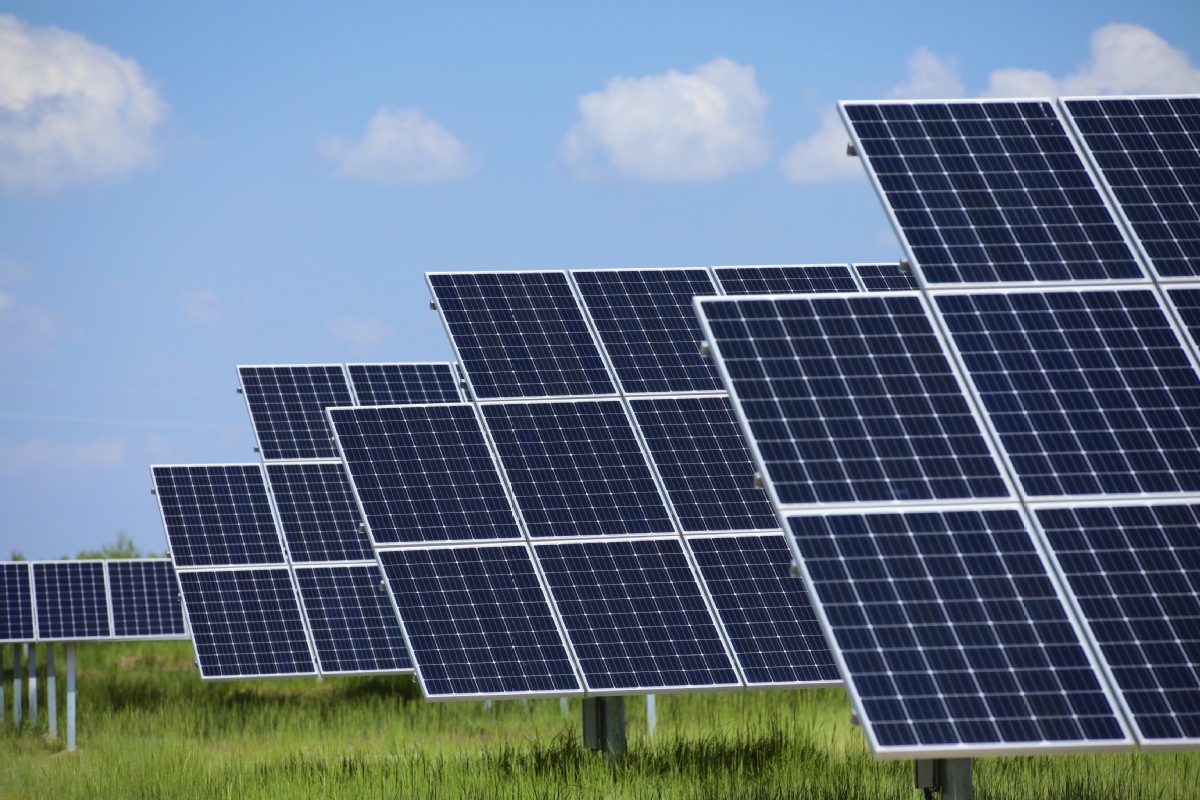
The most efficient, clean and cost-effective way to electrify the world is to build renewable energy capacity that harnesses energy from the wind, sunshine and water that nature provides in unlimited quantities. As a result, we estimate that global renewable energy capacity will grow by at least a factor of ten until 2050.
Challenges: Overcoming complexity and expanding the world’s grids?
Powered by this huge growth in variable renewable power generation, electrification brings a host of new challenges, but two stand out most to me: tackling the complexity that arises from a greater number of widely distributed and less predictable power generation sites and the need to significantly upgrade and expand grid capacity to accommodate the rapid growth in demand.
In order to manage fluctuating electricity production and new consumption patterns, our energy system needs to become more flexible, and new tools are required to deliver this. Innovative grid components using power electronics will provide the operational flexibility needed to enable grids to become more efficient. Sensors will provide the necessary information, and digital solutions will process the vast amount of information in intelligent grid control centers. This will enable faster decision making in a much more dynamic environment than we have ever seen in the past.
The second challenge, expanding grid capacity, can be tackled in two ways: optimizing the utilization of current networks and upgrading and extending power systems. Here, we can rely on clever combinations of power electronics and digital technologies to optimize copper and iron efficiencies on existing power grids. A recent example of this can be seen in Scotland, where a new HVDC link is being added to connect the Shetland Islands to the U.K. transmission system. The link will enhance the security of the power supply and help transmit wind power generated on the islands, contributing to the U.K.’s decarbonization target of bringing all greenhouse gas emissions to net zero by 2050.
Grid capacity will need to cope with more than twice the electrical energy of today. This includes the expansion of high-voltage networks and interconnections across regions, linking to the grid renewable energy generated in remote places, such as wind farms located kilometers offshore. In the future, one could even imagine the ability to harvest the Arctic winds.
From a demand-side perspective, this huge expansion will enable significantly heightened electrification in areas that have so far been low load regions away from densely populated cities where demand is high. For example, through electrification it will become easier to locate a growing number of data centers in secluded areas. And we can expect to see more industrial sites, such as steel plants and mining operations, turn to electrification in a move to convert away from carbon-intensive processes while simultaneously increasing efficiency.
Over the next 30 years, we are likely to see power systems also growing into geographical areas that, up to now, have rarely been taken into account in grid expansion planning.
Flexibility, storage and the role of complementary energy carriers
The journey towards a carbon-neutral energy system is dependent upon future power systems that are extremely flexible. They will need to cope with increased complexity, brought about by the need to integrate bulk and distributed variable power generated from renewable sources.
Whenever grid flexibility is required, the first and most proven technical solution is grid expansion and interconnection. Once this reaches its limit, energy storage starts to play an important role in the pathway towards a carbon-neutral energy system. Battery storage for electricity has already made impressive strides over the past years. With the rise of variable renewable power production comes a greater need for short-term electricity storage to ensure power system’s reliability. Battery technology is on its way to becoming the dominant solution for meeting short-term needs. It offers the highest flexibility and the most attractive cost-benefit ratio.
The buffers used in today’s energy system to deal with the variations of electricity production are, next to renewable hydro-electric power, mainly fossil-based energy carriers such as oil, gas and coal. These types of emission-intensive elements of the energy system will need to be phased out in a carbon-neutral world fit for the future.
Furthermore, where direct electrification is not possible or cannot be achieved, complementary energy supplies are needed. The studies highlight the role of hydrogen as a technology that is gathering steam. When planning for seasonal storage needs, tapping the potential of hydrogen is likely to play an important role. However, for it to be sustainable, green hydrogen produced from renewable energy sources must be involved.
Green hydrogen could also be a facilitator in lowering the carbon-intensity of sectors that cannot easily be directly electrified, such as certain elements of the transportation sector (e.g., airplanes and large ships). This takes us back to my main point of electricity representing the backbone of our future energy system, as green hydrogen is produced utilizing electricity.
When planning and designing the future energy market, an important aspect that decision-makers should consider is to avoid overly relying upon one direction only. Power system expansion and interconnection offer opportunities to link time zones and even climatic zones instantaneously. Nevertheless, the future energy system needs both interconnections and energy storage. It should never be a question of building one or the other – because they are complementary.
Creating the optimum climate for trust, collaboration and the right investment
Time is of the essence in the move towards a carbon-neutral energy system. There have been several welcome policy announcements and initiatives as of late, setting ambitious targets for a carbon-neutral future. This includes the stimulus initiatives and goals to accelerate the European Union’s Green Deal, goals put forward by several countries, including the U.K., Japan, China, and South Korea.
While this is laudable, planning and execution cycles must be accelerated in order to unlock the necessary investments in our energy infrastructure. Policymakers need to set a clear agenda and enable this to happen, which includes putting in place the right regulatory framework and ensuring a degree of collaboration in key areas such as grid codes and market mechanisms. The area of interconnected electricity networks is also becoming increasingly important in maximizing the penetration of renewables. Collaboration will clearly be a key success factor.
We are solving a fundamental societal problem – bringing affordable, reliable and sustainable energy to everyone. Be it Arctic winds powering electric vehicles or desert-harvested solar power feeding air conditioning systems, carbon-neutral energy systems will reshape the world. The challenge is so big that there is no room for picking winners. Indeed, we need all sustainable solutions, current and future. We should not waste our energy and time arguing about which is the better option, but instead focus on building sustainable partnerships because, only then, will we accelerate and make an impact.
Building a global, interconnected and truly sustainable energy system for today’s and future generations with the help of fascinating technologies will bring unbelievable value for sustainable societies. This is what makes me proud and excited to be part of bringing such a vision to fruition.
Gerhard Salge is Chief Technology Officer at Hitachi ABB Power Grids.