The Growth and Future of Digitalization
 Facebook
 Twitter
 Linkedin
 Google +
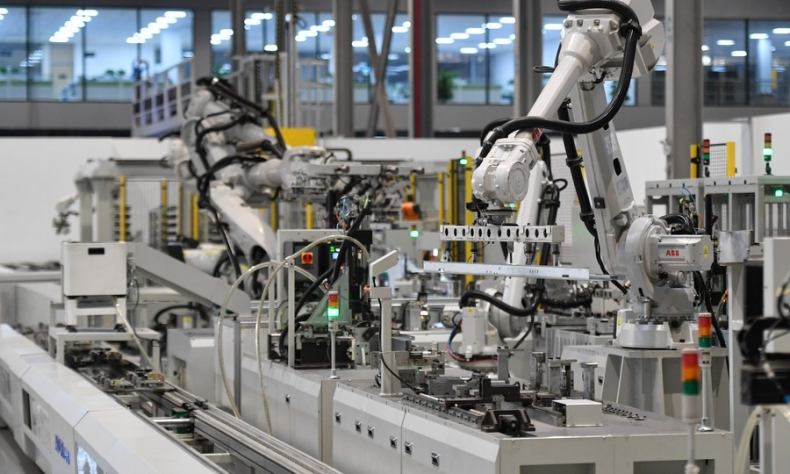
Finding the balance between the needs of the people, the economy and the country, and the power of technology is of paramount importance and that is where the true power of a future digital economy lies.
A white paper issued by the China Academy of Information and Communications Technology (CAICT) in mid-2022 estimated that China’s digital economy stood at $6.3 trillion in 2021, ranking second only to the United States’ $15-trillion market in the same period.
Information and technology accounts for nearly 40 percent of China’s overall GDP, constituting a doubling of value in the last 10 years.
Digital ubiquity is an astounding and at the same time mundane fact of life in China and its economy. Growing from relative insignificance to 40 percent of GDP in under 20 years is a testament to how rapidly and smartly the country made technological innovation and adoption central to its overall modernization and economic growth.
In the mid-2000s, a perfect storm of factors came together to jumpstart China’s rise as a global technology superpower. And ironically, it was not what China had that made the difference; it was what it didn’t have. It was the blank slate that served the country well.
Digital emergence
Prior to the year 2000, China had an extremely low rate of personal communication and productivity device penetration, given home phones, home computers and office computers were quite rare at that time, never mind mobile phones. It had virtually no digital retail and consumer infrastructure or culture. Consumers relied almost entirely on cash for purchases (even bringing bundles of renminbi to buy new cars) and the country did not have a modern banking and credit system in place.
The almost simultaneous introductions of smartphones, e-commerce and digital payments between 2003 and 2008 ushered in what could have been a 20- to 30-year period of incrementally improved tech economy and compressed it into five years of massive adoption and growth. China’s blank slate proved to be the perfect environment to rewrite the rules of Chinese, and in many cases global, technology, consumption and communication protocols and applications.
From this modest start, by June 2022, China had 1.05 billion Internet users and its Internet penetration rate had reached 74.4 percent.
But digital commerce was just the beginning. It was the launch pad for a technology and data science revolution that would make China’s new infrastructure the envy of much of the world.
The decade that followed marked a time when private, public and hybrid entities marshaled their combined resources to flip the script from “Copycat China” to “China the Creator.”
Since 2010, the government has made further digitization of everyday life and activities a high priority and has focused its energy on indigenous innovation to make China a self-reliant digitally driven economy and to ensure it becomes a net-exporter of tech with world-beating brands, products and systems.
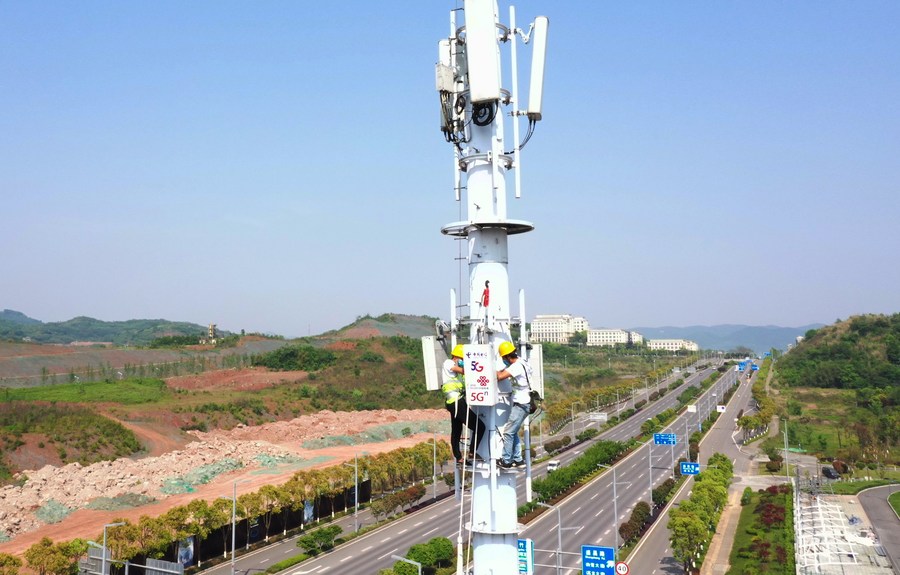
As one example, while 5G has been a disappointment in other parts of the world, China hosts the world’s largest 5G network and has become a global leader in 5G standards and technology, with 1.85 million 5G cell towers and 455 million 5G mobile subscriptions.
China’s edge
Digitally powered economies the world over will continue to grow and the percentage of global GDP driven by digital commerce, communications, and information technology will also grow.
To stay competitive on the global stage in industries as diverse as automotive, manufacturing, finance, real estate and fashion, China must continue to invest in digital leadership.
We have seen over the last five years that China continues to be ahead of the rest of the world in digital commerce, retail, consumer and retail tech and the integration of online and offline supply chains, technology, and content. Companies like fast fashion e-commerce platform Shein, e-commerce giant Alibaba and tech titan Tencent are the leaders others will follow.
China is taking a prominent position in the development of next-generation tech trends like artificial intelligence (AI), the metaverse and digital supply chains.
Duplicating that kind of success across front- and back-end systems in all industries will be critical in the next 10 years.
These developments are the engines of growth and China cannot afford a retreat from them.
The digital economy is playing a key role in China’s competitiveness on the global stage. The government has been actively promoting its development and has implemented policies to support the growth of tech companies. Additionally, China is looking to expand its digital economy globally through trade and investment initiatives, such as the Belt and Road Initiative, a China-proposed initiative that aims to boost connectivity along and beyond the ancient Silk Road routes.

China’s digital economy is unique in several ways:
—It has the world’s largest online market and a vast domestic consumer base, providing a huge potential market for digital businesses;
—The country has effectively integrated its digital economy with its traditional economy, which has led to the rapid growth of sectors such as e-commerce, fintech and mobile payments;
—The Chinese Government is investing heavily in research and development of cutting-edge technologies, such as AI and 5G, which will drive the growth of its digital economy in the future;
—China’s digital economy is heavily driven by data, with the country having a vast amount of data generated by its large population of Internet users. This data is being used to drive innovation and improve services in areas such as personalization and recommendation systems.
The CAICT white paper notes that China is vigorously cultivating new technologies and applications such as the Internet of Things and next-generation communication networks to accelerate the transformation from digitalization and network-based service to AI in various economic and social sectors. All in all, innovation has become a defining feature of the country.
What’s next?
This is a period of transition for China. The series of laws and regulations (2020-22) that apply to big tech, e-commerce, fintech and next-generation tech companies have had far-reaching consequences.
Some have been positive, like a more competitive landscape that prevents a small group of companies from holding too much power and promoting great innovation and support for startups.
Some have had mixed results, such as the erasure of almost $2 trillion in market cap from China’s homegrown tech champions and the potentially negative effects of cross-border data transfers that run the chance of sparking a great “tech decoupling” between China and the West.
On that last note, there is far more to be gained for China, the U.S. and the rest of the world through cooperation and friendly competition than in a “digital cold war” scenario in the realms of digital economies. There will be disagreements and plays for global influence, as there should be. There should be great competition in which the best ideas, products, systems, hardware, software and social applications should win.
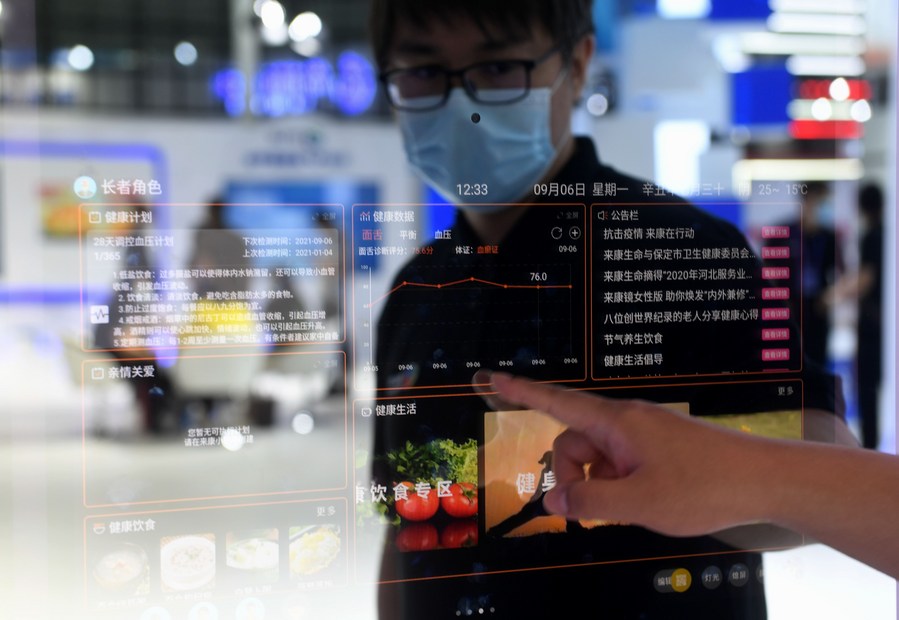
What China can do to ensure the growth of its digital economy over the coming years, is to encourage and invest in startups, research and development, and new technologies that can drive digital transformation. The country should:
—improve domestic Internet connectivity, data centers and cybersecurity measures to support the growth of the digital economy nationwide, encourage the adoption of digital payments and financial services to drive efficiency and financial inclusion and invest in education and training programs to build a skilled digital workforce;
—encourage the growth of digital trade through improved regulatory frameworks and partnerships with other countries, as well as establish strong data privacy and security laws to build trust and promote the growth of the digital economy;
—foster partnerships between government and private companies to drive the growth of the digital economy.
A post-pandemic China faces a number of challenges, including keeping up employment, demographic changes, jobs for a large group of educated workers, and food, resource and environmental security.
Technology in China, as elsewhere, is not the “the end” but rather the means to the end. Finding the balance between the needs of the people, the economy and the country, and the power of technology is of paramount importance and that is where the true power of a future digital economy lies.
The author is founder and CEO of U.S.-based consulting firms 5 New Digital and China?BrightStar.