Why China Still Has Room to Grow
 Facebook
 Twitter
 Linkedin
 Google +
‘Peak China’ is nothing but a distorted and misleading narrative; it’s certainly premature to talk about a ‘peak.’
The world economy is experiencing what the World Bank calls “the slowest half-decade of GDP growth in 30 years.” As some of China’s key growth catalysts weaken against this backdrop, a few stakeholders in the Western economy have become defeatist and pessimistic.
Some believe that China will soon get caught in the “middle-income trap” or even experience the “Japanization” of its economy, characterized by low growth and deflation.
Yet, a more subtle and nuanced look at China’s economic aggregates and indicators will lead us to a different conclusion. Taking a step back for a new vista is crucial to gain greater clarity of the whole landscape. When we do this, it becomes clear to us that China’s development is just entering a more mature phase. The pessimism about the Chinese market and economy is excessively undue.
China’s manufacturing activity rebounded in March, ending a five-month decline and adding evidence that China’s industrial sector is gaining momentum for an economic recovery. The country’s resilient economy still has room to grow.
China’s gross domestic product exceeded 126 trillion yuan ($17.51 trillion) in 2023, an increase of 5.2% over the previous year and outpacing the global growth rate of about 3%. The Chinese economy is expected to contribute more than 30% to world economic growth, remaining the largest engine of the world economy in 2024. Despite cyclical and structural challenges, China has introduced a series of policy measures to stay dynamic and resilient. The country aims for modernization through high-quality development, with science and technology progress emerging as a new growth driver. This approach has developed a “magnetic force” in the Chinese economy’s “innovation field.”
The advancement of emerging and future-oriented industries, such as hydrogen power, pharma-tech, new materials, bio-manufacturing, and biotech, is set to not only enhance productivity in these industries but also boost and transform traditional sectors. This is creating a “new Chinese ecosystem of future factories” characterized by the integration of the knowledge economy, intelligence, and automation, steadily fostering new growth drivers. It represents a new pattern of “knowledge-industrialization” that is gradually taking shape.
We should try to understand this new economic situation and see in it an innovation-driven model based on innovative practices and policies in China. A significant part of the new policy focus is on ensuring economic adaptation that will allow sustained long-term development. In China, there has recently been much discussion about the development of “new quality productive forces,” even in the country’s urbanization system. For example, China underwent the fastest pace of urbanization in human history over the last four decades, with urbanization rate going from 20% in 1981 to over 66% by the end of 2023. This process drove huge changes in economic productivity and created new demand for housing and infrastructure. The recent debate is whether China has already reached peak urbanization.

The Chinese government has primarily advocated for a new approach to urbanization called “people-centered new urbanization,” emphasizing quality over speed. This approach includes “urban-to-rural” development rather than just moving people from rural to urban areas. This will also boost new urban growth patterns and smart urban evolutions.
China is exploring new areas for growth, moving to the next stage of its development, and is currently undergoing a major economic transformation from “growth at all costs” to “high-quality growth.” This approach prioritizes people and human resources. Policymakers have placed great importance on unlocking “new quality productive forces” as a major policy shift, setting the stage for China’s advancement toward high-quality growth, a transition to a digital economy, a consumption-driven growth model, and greener growth.
Take, for example, the adjustment toward a consumption-driven growth model, China still holds many possibilities and solutions to unlock consumer potential. One strategy is to reduce its high savings rate, which is significantly higher than that of many countries. According to the OECD, China’s savings rate was around 34-35% of disposable income, compared to 7-13% in other major economies. Boosting consumer confidence could free some of these savings up for consumption, catapulting China’s economy to new heights.
In Western media, discussions about consumption in China often highlight the perceived weakness of the domestic market. However, overlooking this vast and competitive domestic market is unwise. Regarding the domestic market and digital platforms, social shopping platforms are deploying new models that make the most of digital technologies and harness the power of Chinese consumers. Foreign brands and companies cannot disregard this challenging and competitive environment because there is a lot to learn here for the future of e-commerce. For example, in the e-commerce in China, the so-called “user-driven” innovation has sparked functions that grow and improve on their own, offering more than just economic benefits to meet changing desires of customers.
Additionally, China’s push toward greener technology and standards, aligned with its “dual-carbon” goal, sends a powerful message on sustainable digital development practices.
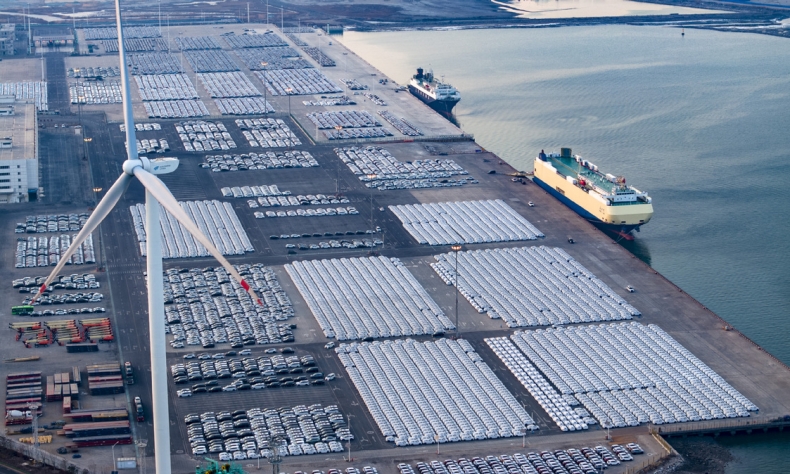
In 2023, China’s clean energy sector — encompassing electric vehicles, lithium-ion batteries, and photovoltaic products, collectively referred to as the “new three” — significantly propelled the nation’s economic growth. The sector contributed an unprecedented 11.4 trillion yuan, up 30% year on year, to China’s GDP and captured the largest slice of investment growth. China’s clean energy industry leads the global energy transition, accelerating the country’s development of new growth drivers, aiding in achieving climate targets, and reshaping the global clean energy landscape.
China also unveiled new steps to counteract a slowdown in foreign direct investment (FDI), including expanding market access. While foreign companies have been hesitant to invest, fluctuations in China’s FDI inflows are common, as FDI was delayed during the pandemic and post-COVID period. However, evidence suggests that foreign corporations are not leaving China.
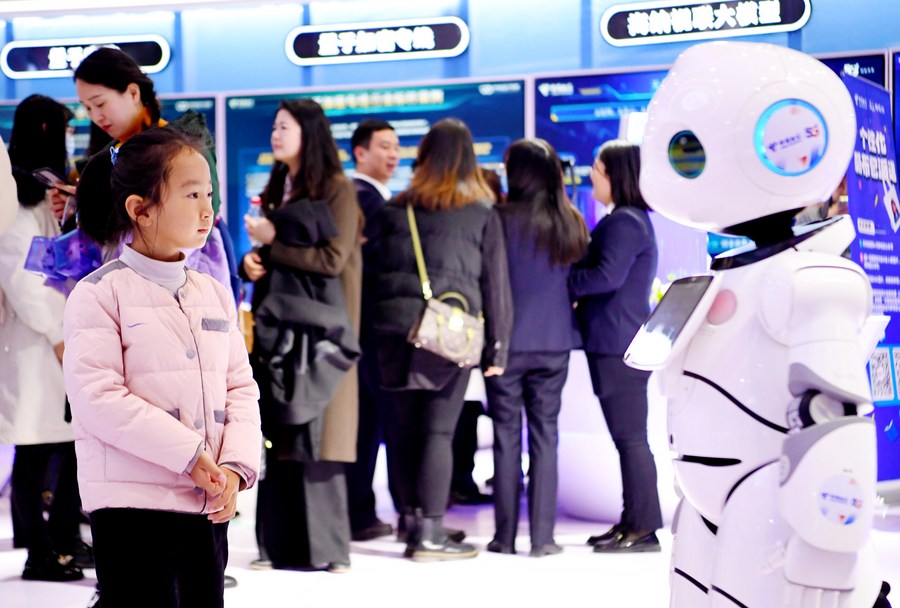
In particular, the digital economy is a fertile ground for “new patterns of growth,” with cooperative initiatives that can lead to shared prosperity and accelerated progress toward achieving the United Nations Sustainable Development Goals.
China has become the new epicenter of the digital revolution, driven by massive investments in R&D to reshape the country’s economic structure. With an acute awareness and vision, the country is stepping up its efforts to cultivate new productivity drivers, channeling considerable resources into artificial intelligence, the Internet of Things, cloud computing, the 5G network, and specialized advanced manufacturing zones. These efforts are expected to yield more meaningful results within the broader framework of China’s cutting-edge initiatives, including advances in biotechnology, nanotechnology and new materials. The convergence of these innovations can spur fruitful growth.
This growth underscores China’s robust innovations in digital technology, significantly contributing to the digital economy’s high-quality development. The digital economy now exceeds 50 trillion yuan, accounting for more than 40% of its GDP. This achievement is bolstered by new science and technology clusters, with China boasting more than 20 of the world’s top 100 clusters, including Shenzhen-Hong Kong-Guangzhou, Beijing, and Shanghai-Suzhou, which are ranked second, fourth, and fifth respectively. Over the past four years, China has invested in new types of applied research and experimental development with a multi-sectoral approach. China could emerge stronger in the coming years with new generations of solutions, improved services, and consumer products featuring highly innovative specificities. This is already evident in the field of pharmaceutical research and drug development process, where some clusters are advancing different processes of experimental development and knowledge management.
To sum up, China’s transition to an innovation-driven economy reflects its far-reaching strengths across all angles of the innovation ecosystem, marking a significant chapter in the country’s enduring legacy of management practices, creativity, and invention, with new spatial patterns of development in multi-sector growth models.
China is a country with significant vitality and the ability to make the right adjustments.
“Peak China” is nothing but a distorted and misleading narrative; it’s certainly premature to talk about a “peak.”
Fabien Pacory is executive vice president of the French Chamber of Commerce and Industry in China.