High-Quality Development: Understanding China’s New Development Philosophy
 Facebook
 Twitter
 Linkedin
 Google +
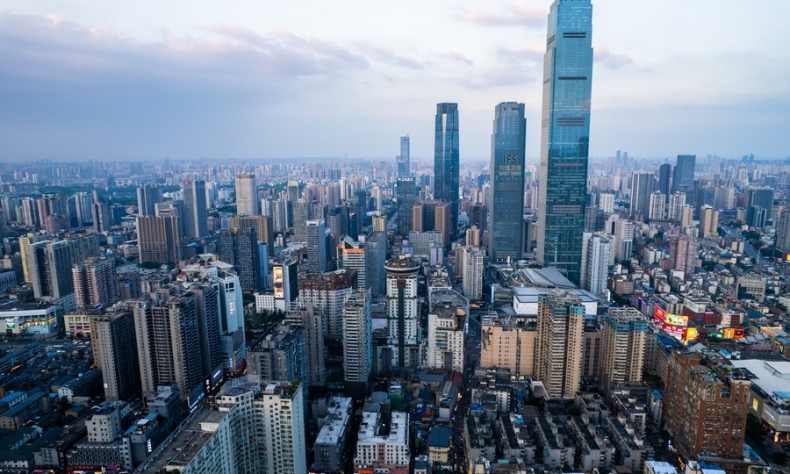
China’s achievements in high-quality development, including poverty alleviation, decarbonization, clean energy, and digitalization, together with progress in other areas, have significantly contributed to the global sustainable development agenda.
The concept of “high-quality development” was first introduced in the report delivered by Xi Jinping at the 19th National Congress of the Communist Party of China in 2017. It emphasized that “China’s economy has been transitioning from a phase of rapid growth to a stage of high-quality development.”
Since then, China has enriched and enhanced its policies focusing on such development. Through persistent practice and reform, significant achievements have been made. High-quality development has now evolved into the underlying logic guiding China’s development in the new era.
Despite such a profound shift in China’s development logic, the concept of “high-quality development” has yet to receive sufficient attention from the wider international community. Many have noted changes in China’s macroeconomic policies, its advancements in green technology and environmental protection, and the monumental achievement of eradicating absolute poverty.?However,?there remains a dearth of systematic comprehension regarding the underlying causes of these transformations.
Understanding the new development philosophy
High-quality development encapsulates innovative, coordinated, green, open, and shared development. The formation of the new philosophy is a profound and systematic change, based on policy practices since the early 2000s. It aims to provide a conceptual framework for adapting to new trends and overcoming critical challenges facing China’s economy in the new era.
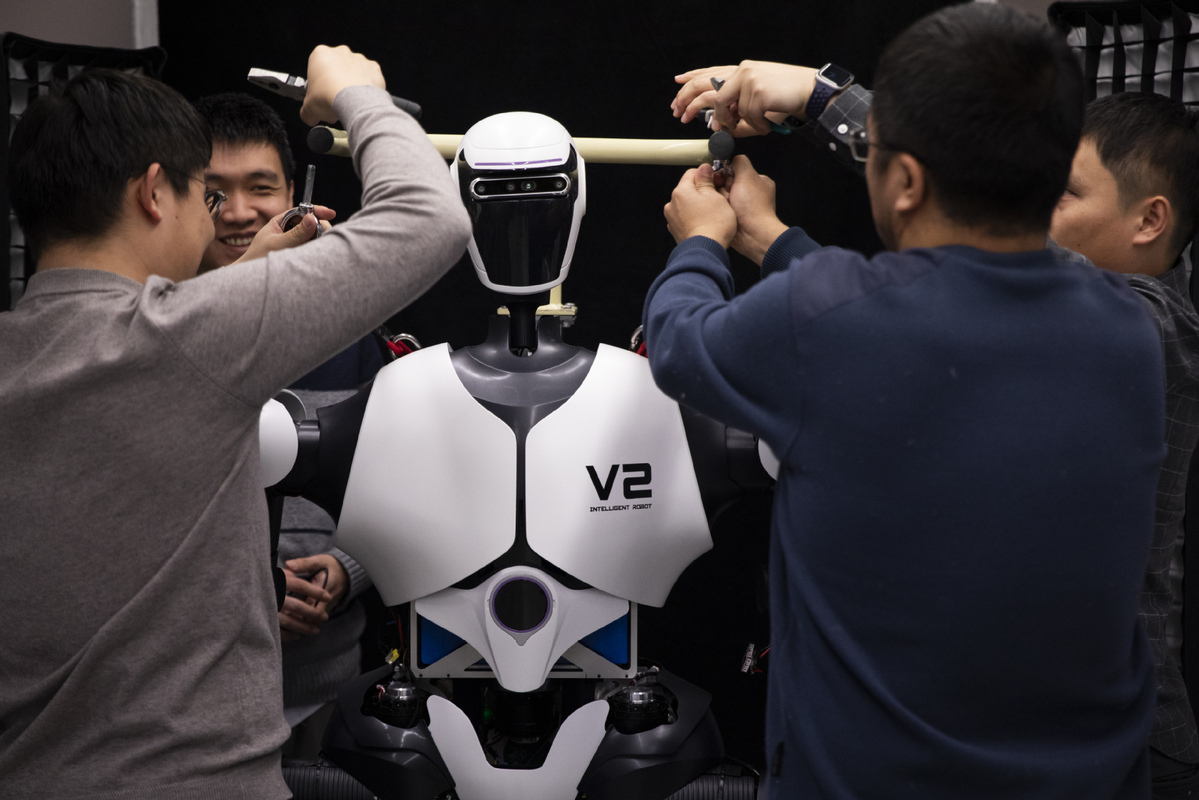
“Innovative development”?refers to adapting and accelerating the driving forces of development.
It is recognized that for a long time, China’s growth has benefitted from a large and relatively low-cost labor force, and significant resource extraction. This is unsustainable. According to a study by Peking University’s Guanghua School of Management, China’s annual growth rate of total factor productivity (TFP) fell from an average of 4 percent in the first three decades of reform and opening up, to less than 2 percent in the decade after 2008. This indicates that China needs to rely more on technological advancement, innovation, and structural reform.
“Coordinated development”?is aimed at addressing the various structural imbalances that arise in the course of development.
That is to say, China’s greatest challenge for middle- and long-term development stems from an urban-rural imbalance with significant regional disparities. For example, the income ratio of urban and rural residents in 2009 reached 3.3:1, while the ratio of per capita GDP in Shanghai to that of Guizhou Province reached 8.2:1. In the same year, the household income Gini coefficient, which measures the level of income inequality, reached 0.495, ranking China among the highest in the world’s major economies. Such uneven development has naturally resulted in sluggish consumption growth and imbalances within the consumption-investment structure.
“Green development”?refers to addressing the problems of pollution and ecological degradation, and striving for a more harmonious relationship between mankind and nature.
China’s rapid economic growth has been accompanied by significant resource consumption and intensive emission of pollutants. In 2013, the Ministry of Environmental Protection monitored the air quality of 74 major cities and found that only three had met the designated standards. As a responsible country, China has taken measures to improve energy efficiency. From 1990 to 2007, China’s carbon emissions per unit of output fell by 49.2 percent, beating the global average (15.4 percent) and other major economies such as the U.S. (27 percent). As a fast-growing developing country and global manufacturing center, however, China recognizes the need to strive for better methods of energy conservation and emissions reduction.
“Open development”?refers to optimizing the relationship between China and the world economy.
China’s impressive economic growth over the past 40 years is due largely to its commitment to openness and its integration into the world economy. However, following the 2008 global financial crisis, a trend of anti-globalization and economic nationalism emerged in many countries. Likewise, while China’s economy has maintained healthy growth, global economic recovery remains fragile. Thus, to ensure sustained growth in a changing environment, China must forge a new model of economic, trade, and investment collaboration; one based on boosting domestic demand while bolstering connections with the global economy.
“Shared development”?aims to enhance the inclusiveness of development, both within and outside of China.
Sharing the fruits of development with all is a touchstone for testing the inclusiveness of development. In China, for example, between 2012 and 2021, 98.99 million people were lifted out of absolute?poverty, equivalent to the combined populations of Germany and Chile. Building on this momentum, China now aims to increase the size of its middle-income group. According to one study by economist Li Shi and others, only 13.8?percent?of people in China reached the middle-income level in 2013.
Inclusive development is not only at the national level. Indeed, with acute imbalances in development between different countries and regions, China aims to share the fruits of its development with the international community.
China’s new development philosophy is not an abstract or ambiguous?theory. Rather, it is a clear set of policies to address specific challenges. Likewise, the five elements of development are interconnected and mutually reinforcing. Together they form a cohesive framework rooted in the pursuit of high-quality development.
Successes and challenges
Embarking on the path of high-quality development is a strategic choice for China. As a comprehensive transformation of the entire development model, it represents nothing short of a revolution without smoke. Naturally, such systemic and nationwide change, particularly for a developing country with a population of 1.4 billion and a landmass close to the entire European continent, is challenging. In particular, as part of incremental reform, whereby the fruits within reach are picked first, the marginal costs of the remaining reforms tend to increase incrementally.
To evaluate the progress of this new philosophy, it is important to assess the costs and benefits in a long-term, comprehensive, and dynamic manner. Some people may hold romantic views of reform and tend to overlook its potential costs. While some others may feel pessimistic due to temporary frustrations and failures. However, both views have their flaw. Consider, for example, China’s entrance into the WTO. As one of the critical preparation measures for entry, China applied corporate restructuring which led to the laying-off of 36 million urban workers. However, in the decades following its entry, many more job opportunities were created in urban areas and China managed to revive its economy.
In the process of transitioning toward high-quality development, China has made significant advances in various sectors of the economy. Chiefly, it has risen as a global leader in 5G technology, artificial intelligence, and advanced manufacturing, and its digital economy ranks second in the world. Moreover, China has made rapid progress in cutting-edge scientific research and high-quality patents. In 2019, China submitted 58,990 patent applications through the Patent Cooperation Treaty (PCT) of the World Intellectual Property Organization, overtaking the United States. Such an achievement represents a collective asset for humanity, promising to yield great benefits far beyond the country’s borders.
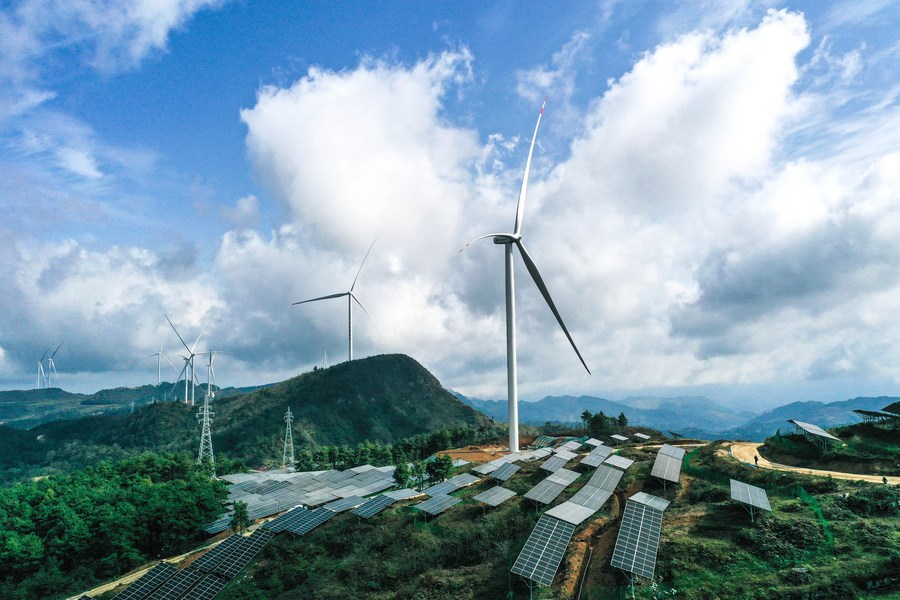
China’s progress has also been notable when it comes to the green economy. Indeed, during the past decade, China has led the world in improving air quality. This progress surpassed the timeline of over 30 years it took the U.S. to attain a similar level of change following the enactment of the Clean Air Act. Meanwhile, between 2005 and 2020, China’s carbon dioxide emission intensity fell by 48.4 percent, exceeding official targets. China’s installed wind and solar capacity also account for one-third of the world’s total, and its share in the manufacturing of photovoltaic modules, wind turbines, and other key components has reached 70 percent.
In other areas of high-quality development, China has also made remarkable progress. For example, in 2020, China eliminated absolute poverty and achieved the United Nations Sustainable Development Goals in the field of poverty reduction ahead of schedule. Meanwhile, China’s urban-rural income ratio has shrunk to 2.39:1, back to the level of 1995. And the number of middle-income individuals in China has surpassed 400 million, eclipsing the population of the U.S. or the European Union.

At the international level, China has further opened up to the world and actively engaged in overseas investment through various bilateral and multilateral cooperation mechanisms. China’s cumulative investment in?the Belt and Road Initiative (BRI)?economies, for example, has reached?one trillion U.S. dollars and has successfully lifted 40 million people out of poverty, according to official data.
Listing these facts does not mean China’s transition to high-quality development has been and will be smooth or without friction. To be sure, the Covid pandemic, geopolitical factors, climate change, and many other variables, have added significant constraints and uncertainties to this transformation. Consider also that many of the changes are brought about by a process of trial and error, and “learning by doing”.
A foundation for global sustainable development
In September 2015, leaders of UN member states adopted the 2030 Agenda for Sustainable Development and its 17 Sustainable Development Goals (SDGs). The 2030 Agenda provides favorable conditions and opportunities for China’s high-quality development by way of strengthening economic ties, stabilizing global value chains, and reducing risks related to climate change and other natural disasters as well.
However, the prospects for global sustainable development are not optimistic. “The Sustainable Development Goals Report 2023: Special Edition” published by the United Nations, upon the trend analysis of the 140 targets, shows that nearly half of the signatories are moderately or severely off track, while over 30 percent have either seen no movement or regressed below the 2015 baseline. Importantly, should current trends continue, 575 million people will still be living in extreme poverty and only one-third of countries will have halved their national poverty levels by 2030. There are also apparent lags in bridging gender gaps, eradicating hunger, and advancing children’s education.
With a view to speeding up the implementation of the UN 2030 Agenda for Sustainable Development by the international community, President Xi Jinping proposed the Global Development Initiative (GDI) at the General Debate of the 76th Session of the UN General Assembly in 2021.
China’s achievements in high-quality development, including poverty alleviation, decarbonization, clean energy, and digitalization, together with progress in other areas, have significantly contributed to the global sustainable development agenda, both directly and indirectly. As China continues to pursue high-quality development, its economic growth will become increasingly strengthened, the middle-income group will expand, the market size will grow, production will become more environmentally sustainable, and international cooperation will deepen. These developments will significantly impact and enhance the United Nations’ sustainable development agenda, both in breadth and depth.
The author is?Deputy Secretary General of the China Development Research Foundation.
Translated by Zhao Qiang
Copyedited by Jamie Wright
The article reflects the author’s opinions, and not necessarily the views of China Focus.