The Global Ripple Effects of Trump’s Reciprocal Tariffs
 Facebook
 Twitter
 Linkedin
 Google +
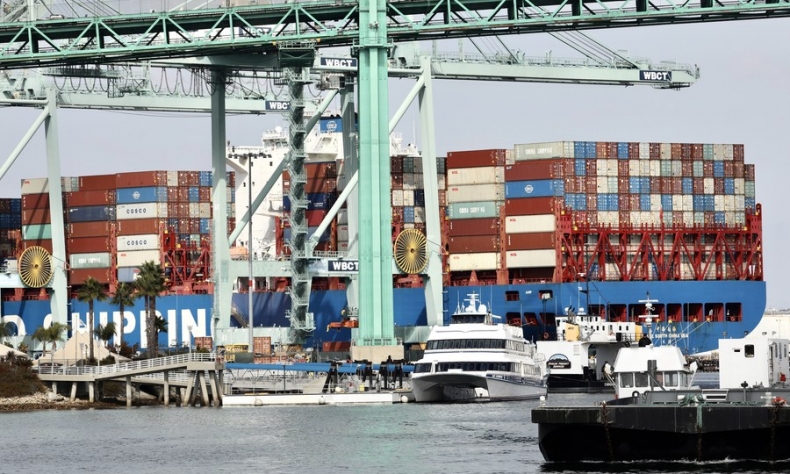
Trump’s reciprocal tariffs are unlikely to benefit the U.S., as it will struggle to manufacture goods at competitive prices due to higher production costs.
U.S. President Donald Trump has instructed his economic advisors to formulate comprehensive plans for implementing reciprocal tariffs on nations that impose?tariffs?on goods imported from the United States. This initiative is part of a broader strategy to address what the administration perceives as unfair trade practices, where other countries levy tariffs on U.S. products while enjoying relatively unrestricted access to the American market.
By introducing reciprocal tariffs, the administration aims to create a “level playing” field, ensuring that U.S. exports face similar trade conditions abroad as foreign goods entering the U.S. This policy reflects the government’s commitment to protecting domestic industries, reducing trade deficits, and promoting what it views as fairer global trade relations.
However, such measures carry significant risks. They could escalate trade tensions and provoke retaliatory actions from other nations, disrupting global trade dynamics and increasing the likelihood of a trade war. A cycle of tit-for-tat tariffs could destabilize international markets, hinder economic cooperation, and weaken global supply chains. Additionally, these actions may strain diplomatic relationships, as other countries could perceive them as hostile or unfair. Over time, this could fragment global markets, reduce investment confidence, and harm businesses and consumers across multiple economies, ultimately undermining the stability and interconnectedness of the global trading system.
The implementation of reciprocal tariffs could also lead to higher costs for imported goods in the U.S., as importers and distributors often pass the added tax burden on buyers, such as manufacturers or retailers, to protect their profit margins. These buyers, in turn, may raise prices for consumers or businesses that rely on these imported goods. In today’s interconnected global economy, where products are often assembled using parts sourced from multiple countries, tariffs disrupt global value chains by increasing the cost of each imported component. This cumulative effect raises overall production costs, making U.S. products more expensive and less competitive in global markets.
Furthermore, other countries may respond to U.S. tariffs by imposing their own tariffs on U.S. exports. This not only raises the cost of U.S. goods abroad but can also lead to reduced demand for those goods, further harming U.S. exporters. The ripple effect of these measures could drive up costs across the entire supply chain,?amplifying?economic challenges.

The rise in import prices could contribute to overall inflationary pressures within the U.S. economy. At a time when inflation is already a concern, these tariff hikes?could make it more difficult for policymakers, such as the Federal Reserve, to control and lower inflation rates. Higher prices for goods and services may strain household budgets, reduce consumer purchasing power, and potentially slow economic growth. This creates a multifaceted challenge for both economic stability and public confidence.
Higher inflation in the U.S. may also compel the Federal Reserve to further increase interest rates. This decision could have significant ripple effects on other countries, particularly those that rely on the U.S. dollar for trade or have dollar-denominated loans. As interest rates rise, the cost of debt servicing?and importing goods in U.S. dollars would increase, placing additional financial strains?on these nations.
This situation might be perceived as a self-serving move by the U.S., reminiscent of actions taken during the COVID-19 pandemic when interest rate hikes negatively impacted many countries. Such measures could accelerate a shift away from the U.S. dollar in international trade, as countries may increasingly opt to trade in their own currencies, or other hard currencies such as the euro,?to reduce dependency on the dollar. Over time, this could contribute to the depolarization of the global financial system, challenging the dollar’s dominance as the world’s primary?payment and reserve currency.
Government emergency relief payments to support farmers have surged to historic levels under President Donald Trump’s first term, largely in response to the economic fallout from the 2018 tariffs. These tariffs, imposed on a wide range of imported goods, prompted retaliatory measures from other countries, many of which targeted U.S. agricultural exports. As a result, U.S. farmers faced significant losses in international markets,?due?to a sharp decline in demand for their products. To mitigate the financial strain on the agricultural sector, the U.S. government allocated billions of dollars in emergency aid, marking one of the largest federal support programs for farmers in recent history.
At the same time, large U.S. manufacturers also suffered as they lost access to key international markets. Some countries, in response to the tariffs, shifted their strategies by increasing domestic production of goods they previously imported from the U.S. This move not only reduced their reliance on American products but also created new competition for U.S. manufacturers in global markets. The combination of reduced export opportunities and increased competition further strained U.S. industries, highlighting the broader economic consequences of the tariff policies.
Ironically, Trump’s reciprocal tariffs could inadvertently benefit countries with lower production costs. By increasing the cost of imported goods in the U.S., these tariffs may make products from low-cost manufacturing countries more attractive to global buyers. As U.S. exports become less competitive due to higher input costs and retaliatory tariffs, countries with cheaper labour and production advantages could gain a larger share of international markets. This shift might further strengthen their position in global trade, potentially undermining the intended goals of the tariff policy.
The competitive pressures created by reciprocal tariffs may force developed countries to reconsider their higher minimum wage policies, as these could make it difficult to produce goods at globally competitive prices. Alternatively, they might explore implementing dual wage systems—one rate for their own citizens and a lower rate for migrant workers—to reduce production costs and remain competitive in international markets. However, such measures could raise ethical and social concerns, as they risk exacerbating inequality and creating disparities in labour rights.
Trump’s reciprocal tariffs are unlikely to benefit the U.S.,?as it will struggle to manufacture goods at competitive prices due to higher production costs. Instead, these policies may disproportionately benefit developing countries, which have increasingly moved beyond exporting raw materials and low-value-added products to manufacturing and exporting high-value-added goods at affordable prices.
Additionally, with growing demand in developing markets, countries other than the U.S. may increasingly trade among themselves, reducing their reliance on markets. This shift could also encourage the use of local currencies in trade, further challenging the dominance of the U.S. dollar in global commerce.
The article reflects the author’s opinions, and not necessarily the views of China Focus.