The U.S. vs. Everyone: Dominate or Destroy?
 Facebook
 Twitter
 Linkedin
 Google +
Politics, at its core, has never been about daring business gambles—it’s about the careful calculus of power. And while entrepreneurs bet on markets, politicians stake their futures on something far less predictable: people.
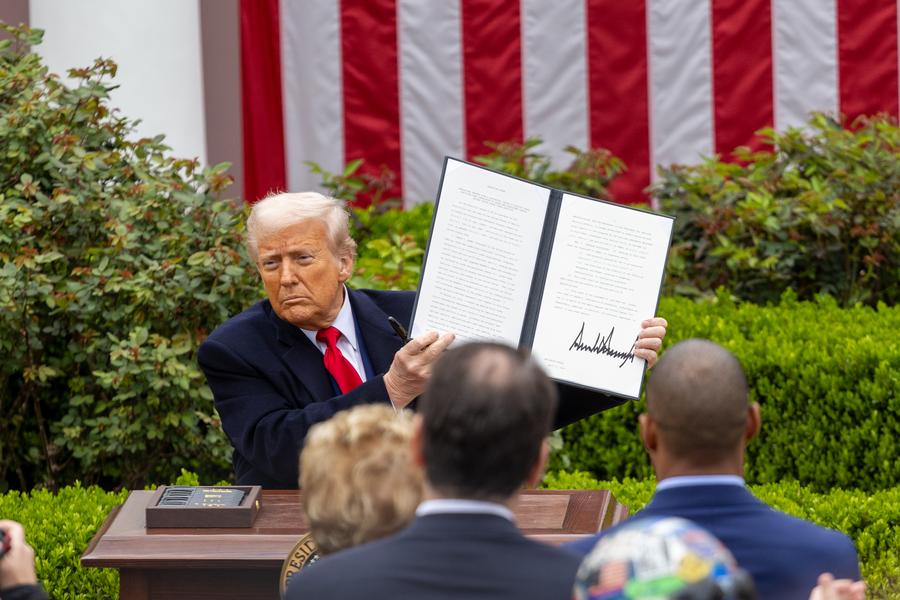
U.S. President Donald Trump’s “reciprocal tariffs” executive order, signed on?April 2, has plunged the U.S., and the world at large, into unpredictable turmoil. The order mandates a 10-percent minimum baseline tariff on trading partners and imposes higher tariffs—including an original 34-percent levy on Chinese goods—on products from about 60 countries and regions. The U.S. average tariff rate has surged from 2.5 percent in 2024 to 22 percent, the highest level since 1910.
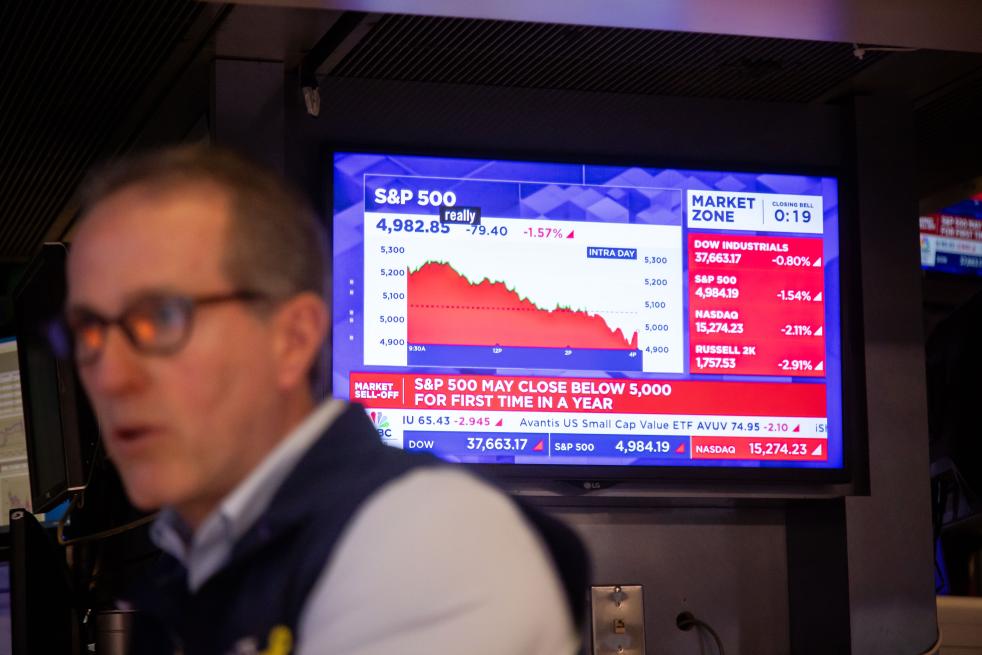
The market responded swiftly. Within two trading days, U.S. stock markets shed $6.6 trillion in value. Multinational banking and financial services company JPMorgan Chase slashed its forecast for full-year real GDP performance in the U.S. from a 1.3-percent expansion to a 0.3-percent contraction, warning that the downturn could push the unemployment rate up to 5.3 percent by year’s end—from 4.1 percent in February.
Economists across the board cautioned that the higher tariffs would saddle American households with an extra $3,800 in annual expenses, prompting consumers to rush to stock up on essentials and home appliances, including toilet paper, beer and televisions. Beginning on April 5, large-scale protests erupted in cities across the country, with hundreds of thousands taking to the streets to denounce the Trump administration’s tariff policy.
China retaliated immediately by imposing 34 percent reciprocal tariffs on all U.S. goods. Trump countered with a 50-percent additional tariff, pushing total U.S. tariffs on Chinese goods to 104 percent.
China, refusing to back down, matched the escalation. Following this move, Trump increased tariffs on the country to 125 percent. “History has repeatedly taught the lesson that trade protectionism will not help strengthen a country’s domestic economy. Instead, it will do severe damage to world trade and investment, which could trigger a global economic and financial crisis, with the inevitable consequences for oneself and others,” a white paper titled China’s Position on Some Issues Concerning China-U.S. Economic and Trade Relations, released by the State Council Information Office on April 9, pointed out.
Businessman in power
The Trump administration chose to disregard the rising public opposition. Many voters who backed him in last year’s presidential election appear more willing to believe that the pain brought on by higher tariffs is a necessary sacrifice for the revival of American manufacturing. As imported goods grow more expensive, they reason, American consumers will turn to domestic alternatives, thereby spurring job creation. This belief echoes a conviction held 250 years ago by Alexander Hamilton, a founding father of the United States and the nation’s first Secretary of the Treasury.
Trump’s presidential performance in his first and current terms indicates that he no longer sees the need to transition from a successful businessman to a seasoned politician. He seemingly governs with the same entrepreneurial approach that defined his career.
Entrepreneurs and politicians approach things with different mindsets. A politician must consider the broader interests of society, bridging the divides between different groups and seeking the greatest common denominator for collective progress. An entrepreneur’s primary focus, on the other hand, is on identifying target customers and cultivating their loyalty.
Trump applies this business mentality to both campaigning and governance. He has demonstrated acute awareness of working-class struggles in the American Midwest, especially in the Rust Belt states—including Ohio, Pennsylvania, Michigan, Illinois and Wisconsin, which are regions devastated by industrial decline.
His selection of JD Vance as a running mate exemplified this strategy. The Ohio-native author of the 2020 autobiography Hillbilly Elegy functions less as a conventional political partner and more as an ideal brand ambassador—one who authentically connects with Trump’s core Midwestern base.
This means that Trump must deliver on his campaign promise to impose indiscriminate tariffs. “I grew up poor, in the Rust Belt, in an Ohio steel town that has been hemorrhaging jobs and hope for as long as I can remember.” This is perhaps the most iconic line from Vance’s memoir. For Trump supporters, what they long for is hope—hope for the revival of American manufacturing and the chance to lead a more dignified life.
But the White House aides won’t mention that in January 2021, a study commissioned by the U.S.-China Business Council (USCBC) and conducted by independent economic advisory firm Oxford Economics found that the trade war with China during Trump’s first term had resulted in the loss of 245,000 jobs in the U.S.
At the core of the deal
Trump supporters may be passionate, but the president himself is not. One of the personas he has crafted for himself is that of a business genius who has gone through six bankruptcies but has repeatedly risen from the ashes.
In his 1987 book The Art of the Deal, he elaborated on the principles and strategies he employed in business negotiations. From how to prepare for negotiations and formulate strategies to how to handle unexpected situations, he offered up detailed advice on how to stay calm at the negotiation table, understand the psychology of the other party, leverage one’s advantages, cleverly resolve conflicts and even persuade the other side to voluntarily relinquish some of their benefits.
“My whole life is deals,” Trump proudly stated during his meeting with French President Emmanuel Macron in February.
In the trade war with China during Trump’s first term, the primary aim of his tariff increases was to compel China to purchase more U.S. goods, including Boeing airplanes and natural gas. And the two countries did indeed reach a new trade agreement in January 2020, comprising detailed targets for Chinese acquisitions of agriculture, manufactured goods, energy and service exports from the U.S.
However, the outbreak of the COVID-19 pandemic soon after plunged the world into chaos and Trump lost the election later that year. Having now made his return, Trump has applied his business management approach to governance. He emphasizes efficiency and seeks to reduce government spending by streamlining bloated and ineffective structures. At the same time, he continues to pursue diplomatic strategies to advance U.S. interests, including securing Ukraine’s mineral resources and applying pressure?on neighboring countries through territorial claims.
For the Trump administration, the new tariff policy did not intend to make enemies with the entire world.
It’s likely he was hoping for a scenario where other countries, including China, would rush to the negotiating table, lowering tariffs on U.S. imports while presenting purchase orders. As he outlined in his book’s negotiation strategy: escalate tensions, apply maximum pressure, push the situation to the brink of disaster and finalize a deal at the last moment.
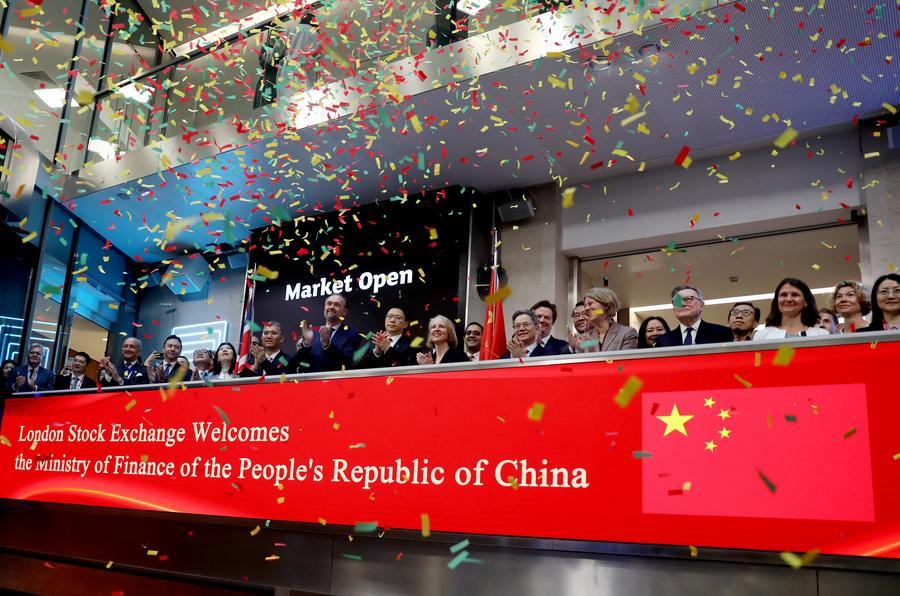
However, not everyone has succumbed to Trump’s coercion. Resistive forces led by China are transforming America’s tariff war into a test of wills between the two sides. Chinese society has reached a consensus: When faced with Trump’s so-called maximum pressure, the best response becomes clear, i.e., never back down.
Lessons from history
The frightening thing is that the Trump administration seems unaware of the limitations of applying an entrepreneurial mindset to governing the country.
In English, the word “enterprise” refers both to a business entity and to the concepts of “initiative” and “creativity,” which are core aspects of the entrepreneurial spirit that Americans take great pride in.
To some extent, U.S. history resembles a business’ success story. One hundred and two pioneers arrived on the Mayflower in 1620, establishing a single settlement that eventually grew into 13 colonies. Through a series of clever deals and, unfortunately, bloody massacres, they expanded into a large nation. On this land, people have long yearned for success and wealth, striving for progress, embracing innovation and driving multiple industrial and technological revolutions. These efforts ultimately established the country as the most powerful force on this blue planet.
The Entrepreneur’s Credo, a motivational passage written in the 18th century and still widely cited in business circles to this day, captures a spirit of excellence, pioneering, risk-taking and independence: “I want to take the calculated risk, to dream and to build, to fail and to succeed. I refuse to barter incentive for a dole, I prefer the challenges of life to the guaranteed existence, the thrill of fulfillment to the stale calm of Utopia.”
For those determined to lead the U.S. out of crisis with an entrepreneurial spirit, perhaps what they need to understand first and foremost is that while an entrepreneur may fail countless times, a politician must tread carefully with every decision. A single misstep in judgment can have far-reaching consequences—for the world at large.
Today, both in the U.S. and around the world, many are concerned that Trump’s second term could repeat the mistakes of Herbert Hoover, the 31st President. Like Trump, Hoover was a leader who transitioned from business to politics, and when the Great Depression struck in 1929, he firmly believed that tariff barriers could save the U.S. economy.
On June 17, 1930, the Smoot-Hawley Tariff Act was signed into law, raising tariffs on over 20,000 imported goods to historical levels. The move triggered retaliation from major trading partners and sparked a global trade war that ultimately led to a prolonged economic downturn. U.S. exports plummeted by approximately 60 percent, global trade shrank by two thirds and this became one of the key factors leading to the outbreak of World War II.
Whether Trump or Hoover, neither intended to bring the world into chaos. When a businessman makes decisions, his primary focus is on maximizing his own interests, which is understandable. However, as the leader of the U.S., the most powerful country on Earth, he clearly bears a responsibility beyond mere self-interest.
Politics, at its core, has never been about daring business gambles—it’s about the careful calculus of power. And while entrepreneurs bet on markets, politicians stake their futures on something far less predictable: people.