Finding the Silver Lining
 Facebook
 Twitter
 Linkedin
 Google +
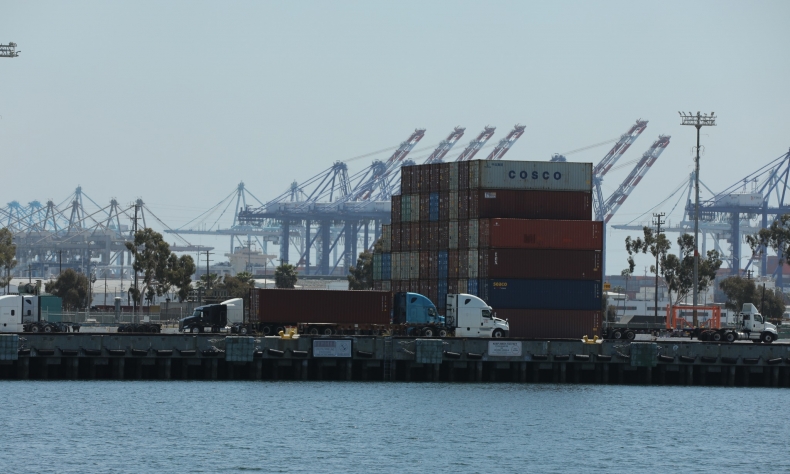
Despite the optimism surrounding the Geneva agreement, deep-rooted structural tensions between China and the U.S. remain unresolved.
A cautious optimism hung over the tranquil lakeside city of Geneva, Switzerland, on May 12, as negotiators from China and the U.S. emerged from talks to announce a breakthrough agreement. The agreement, unveiled after days of intense discussions, demonstrated an important easing of tensions since trade hostilities between the major countries flared up once again in early April, signaling a strategic recalibration by both global powers.
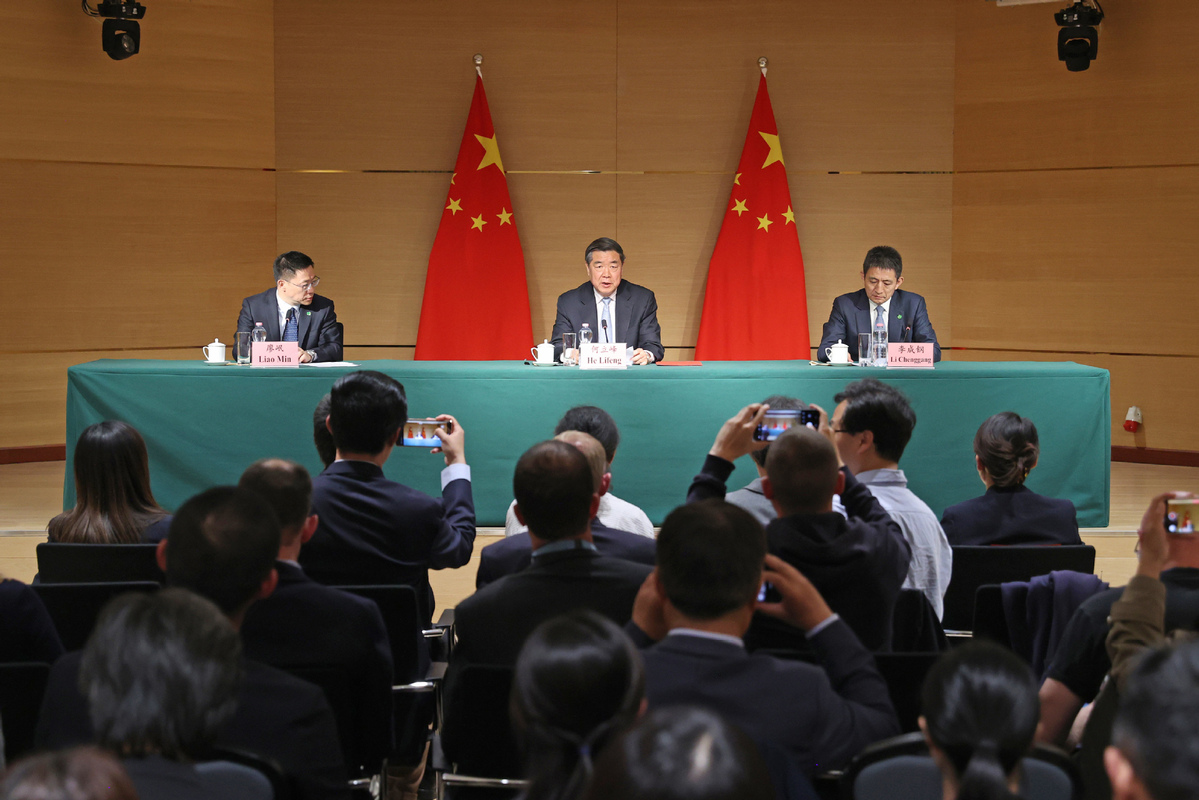
From May 10 to 11, Chinese Vice Premier He Lifeng, the Chinese lead person for China-U.S.?economic and trade affairs, led the country’s delegation in extensive discussions with U.S. lead person Treasury Secretary Scott Bessent and U.S. Trade Representative Jamieson Greer. The meetings were characterized by what both sides described as “candid, in-depth and constructive” exchanges, building on the momentum of the January 17 presidential call and resulting in a series of key consensuses aimed at stabilizing one of the world’s most critical economic?relationships.
Held in the city that is home to the World Trade Organization (WTO) headquarters, the high-level dialogue culminated in the release of the Joint Statement on China-U.S. Economic and Trade Meeting in Geneva. The statement outlined concrete steps to be implemented by May 14, including the suspension and cancellation of specific tariff measures, the creation of new bilateral mechanisms, and a commitment to ongoing dialogue on broader economic and trade issues.
Mutual respect
Featuring prominently in the joint statement released in Geneva, the phrase “mutual respect” resonated strongly on May 12, both during Bessent’s media address, as well as in a concurrent briefing by China’s Ministry of Commerce (MOFCOM). For China, the term was more than diplomatic language—it signified a steadfast commitment to principle and strategic determination throughout the negotiation process.
This breakthrough emerged against the backdrop of a sharp escalation of trade tensions on April 2, when the U.S. introduced a new round of “reciprocal tariffs,” warning that any retaliatory action would prompt further punitive responses. In defiance of that threat, China went on to launch three rounds of calibrated countermeasures, each tailored to address the evolving scope of U.S. actions.
In a major de-escalation effort, the joint statement declared that both nations will cancel 91 percent of the tariffs imposed during the latest two escalation rounds. Specifically, the agreement addressed the U.S.’ imposition of 34-percent “reciprocal tariffs” announced in April. China responded by pledging to adjust its countermeasures in alignment with changes in the U.S. stance—suspending or retaining tariffs as appropriate.
At a press briefing on May 12, a spokesperson from MOFCOM confirmed the scope of the mutual rollback, noting that the move met the expectations of producers and consumers in both countries, and aligned not only with national interests but also with the shared interests of the global economy.
Throughout this phase of the trade dispute, China consistently upheld its opposition to unilateral tariff actions that contravened WTO rules, while exercising its legitimate right to respond. The U.S., in turn, retreated from its long-held position that it could impose duties without facing reciprocal actions—a departure from the confrontational posture it had maintained since 2018.
“I think one of the reasons why the negotiations achieved substantial progress is that both sides have adhered to the principles of mutual respect, peaceful coexistence and win-win cooperation,” said Huang Cheng, Deputy Executive Director of the Shanghai Institute of American Studies (SIAS), during opening remarks at a seminar themed At the Strategic Crossroads: China-U.S. Relations in the Trump 2.0 Era and the Future of Global Order. The event, held in Shanghai on May 14, was co-hosted by China International Communications Group Center for the Americas and SIAS.
Behind the tariffs truce
The joint statement issued in Geneva is a meaningful step toward dismantling unilateral tariffs that contravene WTO rules. Compared to the peak of trade tensions, both sides have now reduced tariffs by a combined 115 percent, a surprising and encouraging margin. These measures have eased the strain on China-U.S. economic relations and contributed positively to the broader stability of the global economy.
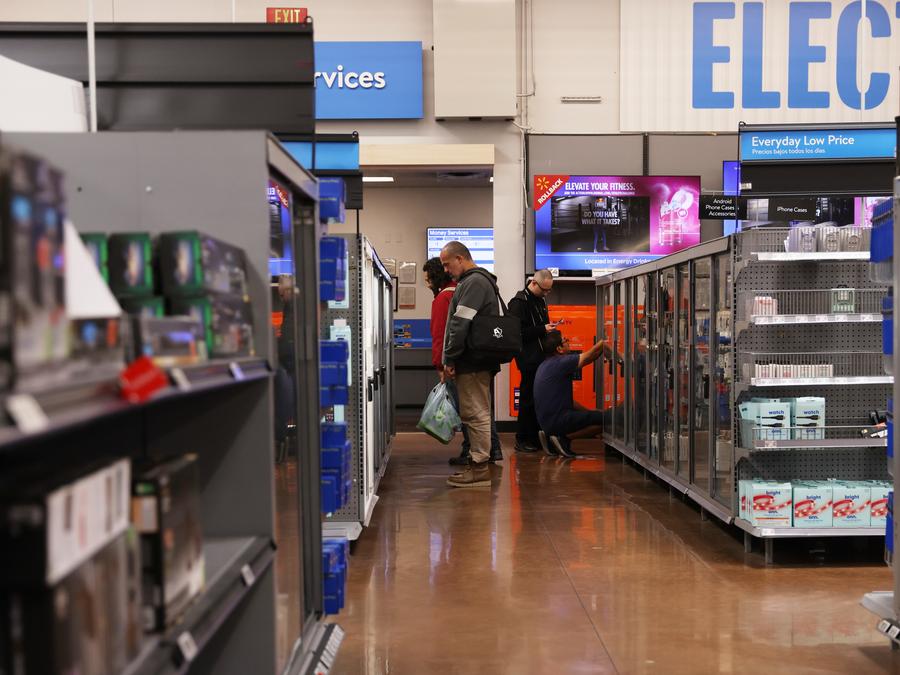
The recalibration of U.S. trade policy was, in large part, driven by mounting domestic pressures. American households have borne the brunt of elevated consumer prices and supply chain disruptions, making it increasingly difficult for policymakers in Washington to defend the tariff-heavy approach. Facing rising political and economic costs, the U.S. was compelled to reconsider its strategy.
“A very simple calculation shows that the U.S. economy depends far more on China than vice versa,” said Zhang Weiwei, President of the China Institute at Fudan University, at the seminar. “I reached this conclusion four or five years ago. I said publicly that if the U.S. imposed a tariff war, both sides would suffer, but the U.S. would suffer more.”
This assessment is supported by research from the Peterson Institute for International Economics, which reported in May 2024 that over 92 percent of tariff-related costs were ultimately borne by U.S. importers and consumers. The data demonstrated that the burden of tariffs was passed along the domestic supply chain, undermining the notion that such measures primarily harm exporting countries.
Moreover, U.S. efforts to reroute supply chains through “friend-shoring,” relocating production to countries such as Mexico and Viet Nam, met with mixed results. Continued dependence on Chinese intermediate goods and the rising costs of manufacturing abroad hampered these attempts at economic realignment.
On the other side of the Pacific, China’s countermeasures demonstrated both resilience and strategic acumen. Tariffs targeting American exports were paired with export controls on rare earth elements critical to advanced U.S. military hardware. These actions underscored China’s leverage and its ability to inflict targeted economic discomfort in response to pressure.
China’s increasing economic and technological resilience is evident in its evolving and expanding trade partnerships. The Association of Southeast Asian Nations (ASEAN) overtook the U.S. as China’s second largest export destination in 2023. In the first four months of this year, total trade value between China and ASEAN reached 2.38 trillion yuan ($330 billion), an increase of 9.2 percent, accounting for 16.8 percent of China’s total foreign trade value. It is a testament to China’s successful diversification strategy.
“I think that, at the end of the day, once the dust settles, we must recognize the mutual interdependence of both sides,” said Zhao Hai, Director of International Political Studies at the National Institute for Global Strategy under the Chinese Academy of Social Sciences. “The success we’ve seen is the product of cooperation, globalized supply chains and financial interconnectivity.”
Zhao acknowledged the complexities and shortcomings in bilateral trade development but emphasized the overall gains: “It has been a win-win situation. If domestic politics in the U.S. attempt to dismantle what has been achieved over the past 40 years, the consequences will speak for?themselves.”
Beyond Geneva: what’s next?
Despite the optimism surrounding the Geneva agreement, deep-rooted structural tensions between China and the U.S. remain unresolved. One of the most immediate uncertainties is the fate of the currently suspended 24-percent “reciprocal tariffs” and China’s corresponding countermeasures. These will be subject to a 90-day negotiation window, during which both sides will engage under a newly established Sino-U.S. trade consultation mechanism. Notably, the joint statement omits any reference to the so-called “fentanyl tariffs,” suggesting that such contentious issues may be addressed via separate channels.
“While the U.S. appears to be in retreat, we should not take these developments for granted,” cautioned Josef Gregory Mahoney, a professor of politics and international relations at East China Normal University at the seminar.
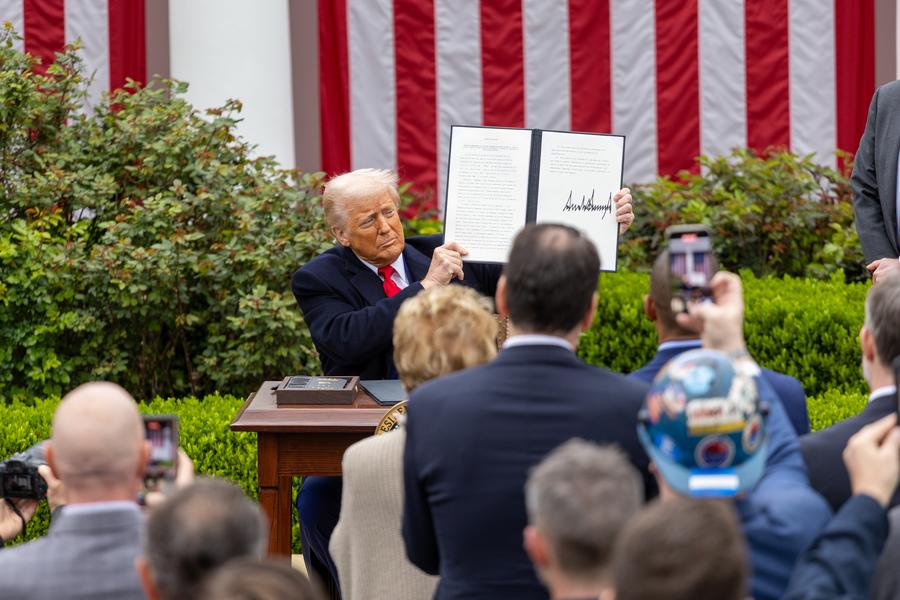
“We shouldn’t assume further tariff reductions are imminent, nor expect a full reset in relations, despite the rhetoric from [U.S. President Donald] Trump himself.”
Mahoney suggested that Trump, facing setbacks in other policy areas such as failing to influence the Federal Reserve’s interest rate policy, may be using this partial retreat as a tactical maneuver to stimulate the U.S. economy.
He further warned that Washington could redirect its pressure toward other trading partners like Mexico and Canada, only to revisit a hardline stance against China should domestic or geopolitical calculations change.
For some observers, the root of the conflict extends far beyond tariffs or trade deficits. “The U.S.-China conflict isn’t really about the trade balance,” argued Benjamin Norton, an independent journalist and editor of the Geopolitical Economy Report, at the seminar. “At its core, it’s about China’s extraordinary economic and technological rise, something the U.S. simply does not want to see continue. This is not a country seeking equal-footed, constructive engagement.”
Others pointed to the broader impact on people-to-people ties and academic exchanges. Professor Zheng Hua of Shanghai Jiao Tong University shared the example of a two-decade-long joint program with the University of Michigan that was abruptly terminated by the U.S. over unfounded concerns about Chinese students. “It was a genuinely win-win collaboration, Michigan earned significant revenues, and our students gained invaluable experience. If such programs vanish, how do we continue to understand one another?”
Chen Jiajun, Deputy Director of the Research Office at SIAS, emphasized that the current trade dialogue should not be viewed in isolation. “We tend to focus heavily on the economic dimension due to the trade war, but this is part of a much broader spectrum of strategic competition. In the past, economic issues could remain confined to economics. Today, that boundary is increasingly blurred. The trade consultation mechanism is not just a technocratic platform—it’s now the central arena where the future contours of China-U.S. strategic relations will be defined.”
With sobering reflection, Zhao emphasized China’s current and future role. “In this difficult moment, China has shown leadership—perhaps, as some global media have put it, the only ‘adult in the room.’ But this phase is still highly unstable. Trump could find any excuse to reimpose tariffs, not only on China but on others as well.”
According to Zhao, the way forward lies in strengthening domestic consumption, accelerating economic transformation and promoting the internationalization of the renminbi. More importantly, he urged China to embrace a larger global role.
“China has long identified itself as a developing country, which tends to focus more on its domestic development. But now, more countries are looking to China for leadership, peace-building, market access and development opportunities. It may be time for China to do more, not just for its own future, but for the world’s,” he said.