G20 Johannesburg: A Turning Point Towards a Multipolar World
 Facebook
 Twitter
 Linkedin
 Google +
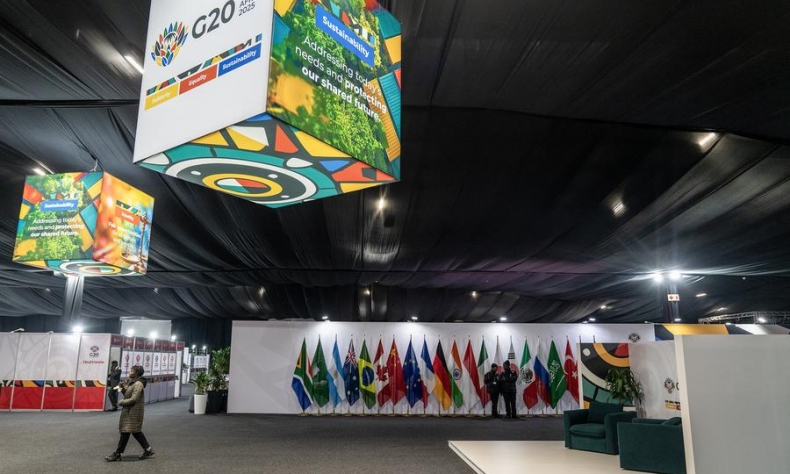
A reformed global system must embrace new priorities: digital governance, climate security, and equitable access to emerging technologies.
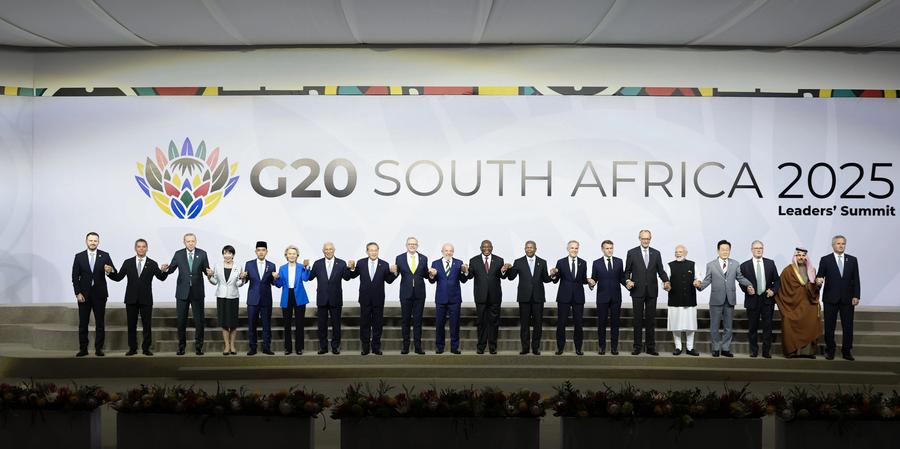
As the G20 convenes in Johannesburg for its first-ever summit on African soil, the symbolism is impossible to ignore. The world is undergoing a historic transition: demographics are shifting, technologies are transforming societies at an unprecedented pace, and development priorities are being reshaped by new energy realities and geopolitical uncertainty. Institutions born in the aftermath of World War II are struggling to keep pace with these changes. More profoundly, the foundations of global governance still reflect an era when a handful of countries defined global rules for everyone else.
The summit’s theme, “Solidarity, Equality, Sustainability,” is therefore not a ceremonial slogan. It is a declaration that the old model cannot endure. Johannesburg challenges the world to recognise that humanity’s future must be shared, that development must be inclusive, and that all countries, regardless of their size, economic weight, or military power, deserve equal voice and equal respect.
Africa hosting the G20 for the first time is historically significant. For decades, global decision-making has been shaped largely by Western-led institutions whose membership, priorities, and governance structures have failed to reflect the demographic and economic realities of the 21st century. Today, Asia drives the bulk of global growth. Africa is set to become the demographic centre of the world. Middle-income powers such as India, Brazil, Türkiye, Indonesia, and South Africa are forging new pathways in industrialization, digital governance, and climate action.
In this shifting landscape, global legitimacy now requires global representation. Leaders can no longer hope to manage complex global risks through exclusive clubs or hierarchical governance. If the world is to tackle inequality, climate change, debt distress, and technological disruption, it must accept a simple truth: no economy’s development should come at the expense of another’s. Power must not be reserved for the few.
Johannesburg is therefore more than another summit; it is a test of whether major economies can move beyond zero-sum geopolitics and embrace a new era of global?cooperation rooted in mutual respect and shared destiny.
The post-war governance structure, whether in its bipolar Cold War form or its later unipolar configuration, no longer fits today’s world. The G20 mechanism contributes to this shift and the 2025 G20 Johannesburg agenda reflects a major advance in this shift. Its focus on inclusive industrialization, job creation, and reducing global inequality signals a departure from G7-centric priorities toward a broader, more equitable vision of development.
This reflects a growing consensus: development must be for all countries, not just those with entrenched economic or military advantages. The world can no longer afford systems that privilege a few while expecting the rest to adapt to rules they did not shape.
The pandemic, global supply chain disruptions, and the rapid evolution of AI have revealed how deeply interconnected the world is and how unprepared traditional governance structures are. Johannesburg places AI governance, digital public infrastructure, and data-driven development at the centre of its agenda. This marks a profound shift away from treating technological breakthroughs as strategic assets exclusive to major powers.
For developing regions, especially Africa and South Asia, access to digital tools and open technological ecosystems can unlock enormous potential: precision agriculture, expanded healthcare access, efficient public services, and new job creation. But this requires a cooperative global approach, not containment or monopoly. Treating knowledge as a global public good is essential if humanity is to share in a digital future where innovation uplifts rather than divides.
The question is whether advanced economies will embrace this cooperative vision or cling to technological domination.
Many developing nations?carrying heavy debt burdens and facing the intensifying impacts of climate change are calling for a fundamental transformation of the global financial architecture. The current system is not merely inefficient; it is unjust. The Global South nations face borrowing costs several times higher than those of advanced economies, despite the most urgent development needs. This disparity is both economically irrational and morally indefensible.
Reforms proposed at the summit include predictable debt-restructuring mechanisms, expanded multilateral lending, and climate-finance tools free from political conditionalities. Such reforms would help ensure that development is not a privilege but a right accessible to all nations equally.
The emphasis on sustainability and clean energy reflects another crucial truth: the global transition to green growth must not reproduce old inequalities. Developing nations must not be mere bystanders or recipients of funding. Instead, they should be active drivers of renewable energy manufacturing, battery supply chains, and climate-resilient technologies.
Johannesburg’s vision is clear: climate action must create jobs, develop industries, and empower nations in the Global South. The benefits of the green transition must be shared, not captured by a few wealthy economies.
The United Nations remains essential but increasingly?needs updating. Its structure reflects 1945, not 2025. Calls for reform especially permanent African representation on the Security Council are growing louder. While the G20 cannot legislate such changes, it can create the political momentum necessary for a more legitimate and representative UN.
A reformed global system must embrace new priorities: digital governance, climate security, and equitable access to emerging technologies. Above all, it must reflect the principle of sovereign equality not the geopolitical weight of a bygone era.
The Johannesburg summit comes at a time of fragmentation and uncertainty. Yet it also offers a rare opportunity to articulate a positive vision for humanity: a world grounded in equality, sustainability, and the recognition that our futures are intertwined. The idea of a shared future is not idealistic – it is necessary. Climate disasters, health crises, and technological disruption do not discriminate by borders; neither should global solutions.
Under South Africa’s presidency, the priorities of the Global South financial justice, technological inclusion, and climate resilience take centre stage. If even part of this agenda moves forward, Johannesburg could become a historic turning point.
Global governance must finally shift from serving the few to serving all. Only then can the world truly claim to act in solidarity, treat all nations as equals, and build a future that is shared by all.
The article reflects the author’s opinions, and not necessarily the views of China Focus.