An Indispensable Part
 Facebook
 Twitter
 Linkedin
 Google +
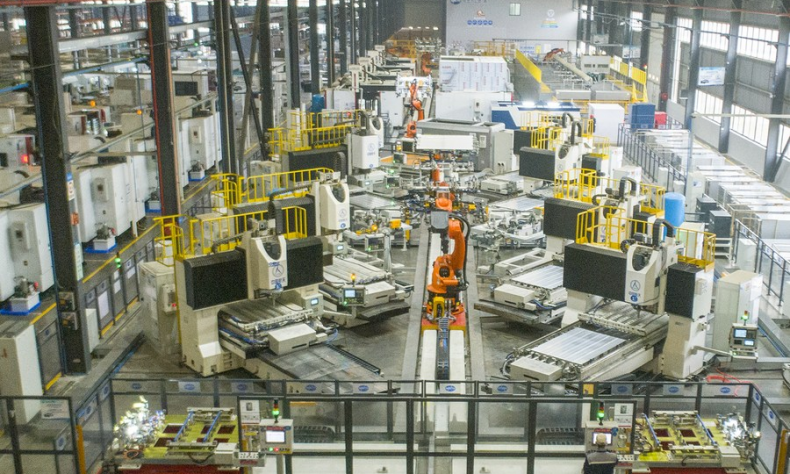
China is deeply integrated into the global economy through trade, investment and economic cooperation.
The past decade has not only witnessed the participation of Chinese companies in economic globalisation, but also China’s active role in promoting it. China has not been deterred by the protectionism in trade and investment, nationalism and other anti-globalisation trends. It has taken a firm stance and concrete measures and continued to play an important role in the global trade and economic cooperation. This has not only created better conditions for its own development, but also supported a vast number of like-minded countries, bringing their respective advantages into play and forming a closer community of interests.
Promoting globalisation
In the context of globalisation, the close links between the world economies and markets not only are the basis for the countries to carry out equitable, market-based exchanges, but also allow them to benefit from increased supply-demand linkages and prosperity created by trade and economic cooperation. International trade is therefore widely believed to be beneficial for all.
The period from 2012 to 2021 has seen an overall expansion in global trade. According to the UN Comtrade Database, imports by 177 economies increased from $18 trillion to $21.2 trillion, an average annual growth of 1.8 percent, while exports increased from $17.8 trillion to $20.8 trillion, an average annual growth of 1.7 percent.
China played a considerable role in both. During this period, China’s imports have increased from $1.8 trillion to $2.7 trillion, an average annual growth of 4.4 percent, while exports increased from $2 trillion to $3.4 trillion, an average annual growth of 5.7 percent. The rapid growth raised China’s share from 10.1 percent to 12.7 percent in total global imports and from 11.5 percent to 16.2 percent in exports.
The growth of the Chinese market has created more opportunities, and increasing export to China has become an important goal for many economies. To allow other countries to export more to China, it has encouraged domestic market players to import more, including by means of cross-border e-commerce, and organised the China International Import Expo (CIIE). These have created good conditions for countries around the world to understand and explore the Chinese market, and have also widened Chinese consumers access to quality products. The rapid development of trade in both goods and services has accelerated the improvement of the global networks of industrial chains and supply chains, and the stakeholders have explored and improved value chains by means of cooperation in more effective ways.
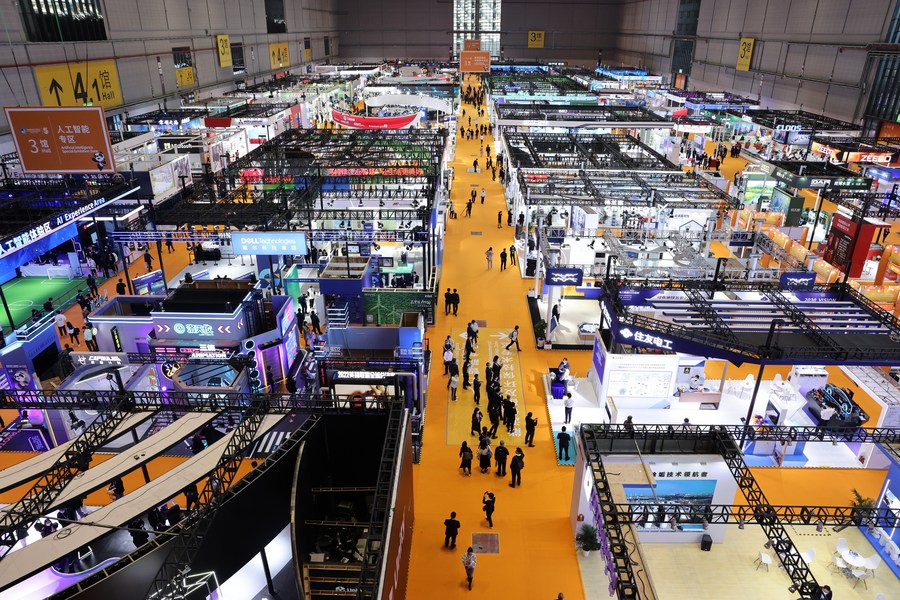
During the past decade, China’s imports and exports have been restructured considerably. The demand of overseas agricultural products has continuously grown in China. In 2021, the share of meat in China’s total imports increased four-fold compared to 2012, while the share of dairy products, fruits, coffee and grains also doubled. At the same time, China’s manufactured goods have not only met the demand of international consumer markets, but also provided intermediate goods for the strengthening of supply chains in other countries. During the period, the share of electronic and mechanical goods in China’s exports increased from 23.8 percent to 26.7 percent, an increase of 2.9 percentage points. The share of exports of aircraft, rail transport and vehicles also increased by 22 percent, 23.3 percent and 32.7 percent, respectively.
Trade and economic cooperation with higher added value, which has developed in parallel with trade in goods, has flourished, with trade in goods and trade in services reinforcing each other. This has led to more stable and mutually beneficial cooperation between companies, markets and countries. As an example, LiuGong, an industrial equipment manufacturer based in Guangxi Zhuang Autonomous Region, has built five R&D bases and several research institutes globally in order to meet diversified market needs. Its R&D team of over 1,500 people in these facilities has provided strong momentum for its innovation and development. In 2021, the company gained over 80 percent of its revenue from new products, thanks to R&D and innovation.
During the decade, international trade has also accelerated the opening up of China’s central and western regions to the outside world, creating opportunities to explore this market with great potential. Guangxi in southwest China, with its emphasis on the maritime economy, has accelerated the construction of the New Western Land-Sea Corridor, which links several western provinces to the sea. Its Beibu Gulf Port has launched the operation of 300,000-tonne ships. In 2021, the port handled over 6 million TEUs of container throughput and over 6,000 trains of sea-rail intermodal transport. With the opening of new land and sea routes in the west and the rapid development of multimodal transport, the central and western regions have new, lower-cost and more convenient access to the sea, and countries, including ASEAN countries, have gained a new way to participate more competitively in China’s domestic economic circulation. With the development of cross-border e-commerce, consumers around the world have a greater say in selecting what they need, directly contributing to the positive interaction between supply and demand sides and their complementary development.
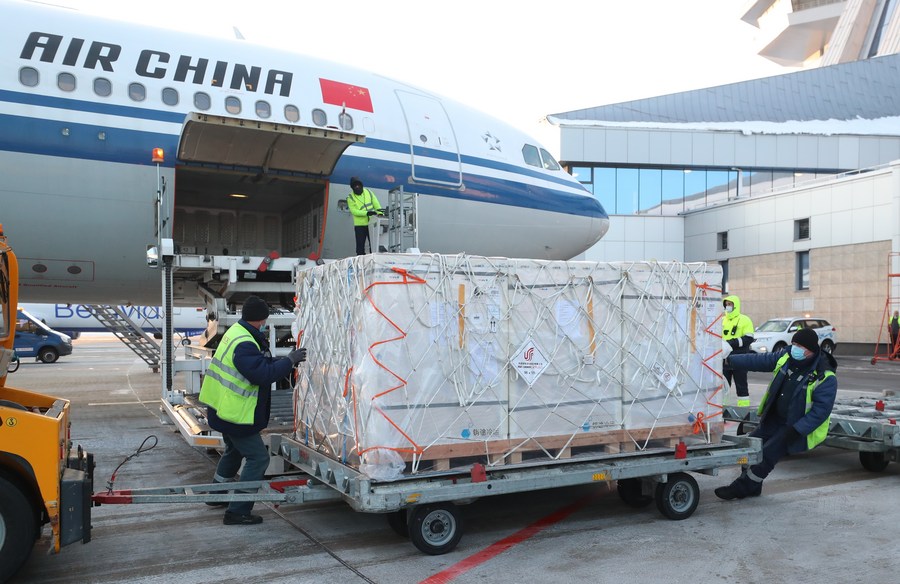
The decade witnessed great turbulence in the global economic and trade environment, with frequent black swan and grey rhino events seriously impacting international trade. Faced with the complex external environment, Chinese companies did not wait for help, but joined hands to fulfil their responsibility. China’s exports have not only met the development needs of countries during times of stability, but also become an important stabiliser in times of dramatic market changes. After the outbreak of COVID-19, Chinese companies supplied a large number of masks, respirators, personal protection equipment and other products to many countries. At the same time, China encouraged its companies to actively play to their strengths and provide the basic supplies needed for pandemic control, such as packaging, refrigeration equipment and syringes. These have helped to prevent the disruption of supply chains in emergency situations and allowed rapid distribution of vaccines.
It should be noted that China’s development over the past decade was greatly helped by its deeper integration into the global networks of trade and economic cooperation. Through competition and cooperation with stakeholders upstream and downstream of the international supply chains, Chinese companies have improved their production capability in response to market needs, while providing innovative solutions.
Funding growth
Along with the rapid development of trade, the role of cross-border investment is becoming increasingly significant for companies around the world. They hope to leverage capital and improve their development models by accessing the global market and benefitting from globalised production, which may reduce the impact of external risks on their sustainable operations.
The past decade has been eventful, with the world recovering from the subprime mortgage crisis only to be hit by COVID-19, localised geopolitical conflicts and other risks. However, China-related cross-border investment has been dynamic. According to data from the UN Conference on Trade and Development, China’s foreign investment inflows were $121.07 billion in 2012, accounting for 8.2 percent of global foreign investment inflows; in 2021, the figure had surged to $180.96 billion, accounting for 11.4 percent of the global total. The growth indicates that the Chinese market is becoming more attractive to companies from other countries. By investing in China, they wish to enhance their global competitiveness by benefitting from China’s strengths in industry and factor endowment, and increase their access to the dividends of China’s economic development.
In 2012, China’s outbound investment was $87.80 billion, accounting for 6.8 percent of the total outbound investment of the world; in 2021, the figure was $145.19 billion, an increase of 65.4 percent, accounting for 8.5 percent of the global total. This growth has provided more space and options for Chinese companies to grow internationally.

Over the decade, China has further upgraded its investment environment for foreign investors with an improved regulatory system, allowing more flexible ways for foreign companies to invest in China. The promulgation of the Foreign Investment Law and the measures for implementing it, as well as the continued expansion and innovation of pilot free trade zones in Shanghai and elsewhere, have significantly lowered the barriers for foreign investment into the Chinese market and reduced restrictions and requirements for foreign investors.
To ensure stable earnings and enhance their ability to cope with global challenges, European and US companies have increased their investments in China. In the auto industry, for example, China has lifted restrictions on the number of joint ventures a foreign investor can form and the proportion of stake it can hold in such ventures, and strengthened the protection of intellectual property rights, attracting new or expanded investments in China by leading global players, including Tesla and BMW. In particular, the China-EU cooperation in the auto industry, which has a good foundation and long history and has benefitted both sides, has been marked by active exchanges in areas such as approaches to and targets of low-carbon development, regulatory requirements, market demand trends and new energy vehicle innovation. This has allowed both sides to better respond to changes in market demand and the environment.
In 2020, German automaker Volkswagen increased its investment in Chinese automaker JAC and power battery manufacturer Gotion, which supported its strategy to invest in hybrid power, electrification and digitalisation, and paved the way for its expansion into China’s new energy sector. In another case, BMW is investing 10 billion yuan ($1.4 billion) to expand its high-voltage battery production base in Shenyang, Liaoning Province. It will become BMW’s third complete power battery base, apart from the other two in Germany, and will supply batteries to its production lines for all-electric MINI vehicles to be moved to China.
Chinese companies are also actively involved in the development of other parts of the developing world such as Africa, where the outcomes of the Forum on China-Africa Cooperation such as the 10 cooperation plans in 2015, eight major initiatives in 2018, and nine programmes in 2021 have provided guidance for company activities. Based on their own strengths and in accordance with local laws, regulations and requirements, Chinese companies actively participate in areas such as infrastructure, manufacturing, mining, agricultural processing and industrial parks, in a bid to share the fruits of future development with locals through investment and operation.
In addition to participating in the construction of projects such as railways, highways, airports, ports and power stations, Chinese companies have also focused on two other important ways of cooperation. Firstly, they work with their African partners to utilise local resources for local economic development. In 2017, Xiangheshun, a deep-sea fishing company based in Beihai, Guangxi, invested tens of millions of dollars in Mauritania to establish a comprehensive fishery park in collaboration with eight other Chinese companies. Its range of operation covers the whole industrial chain from fishing to storage and processing. The park has not only created hundreds of jobs for the locals, but its direct connection to the vast Chinese market has also ensured the effective use of resources.
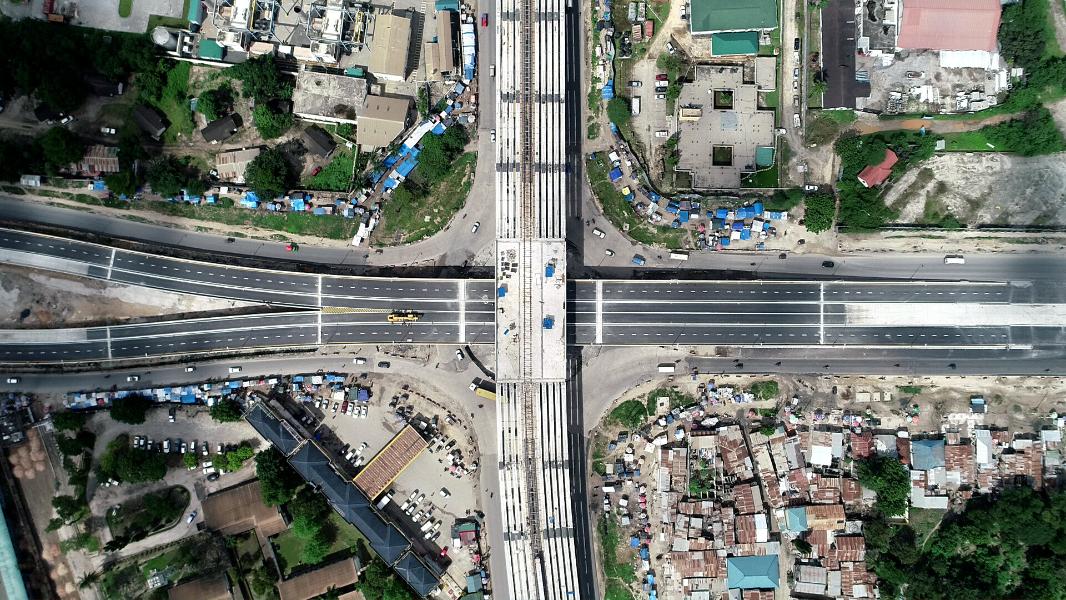
Secondly, Chinese companies have helped to boost the industrialisation of African countries, improving their competitiveness in the global value chains. By investing in Africa in the form of industrial parks, for example, Chinese companies have not only helped the countries where the parks are located to gain a larger share in the international market, but also helped to improve the skills of local industrial workers through training. Other examples include the Addis Ababa-Djibouti Railway built with Chinese assistance, which has enabled Ethiopia to access the international market by sea, and the Eastern Industry Zone in Ethiopia, which has promoted the host country’s integration into the global trade and economic cooperation system by playing an active role in aspects such as market cultivation, industrial chain support and customs facilitation.
High-level openness
The expanding size of China’s economy has brought more development opportunities to the world. The CIIE not only serves as a centralised platform for manufacturers to export their products to China, but it has also become a venue where they showcase new products to the world. Amorepacific, the world’s leading beauty company, has not only participated in the expo for five consecutive years, but also debuted a large number of new products at the expo this year. Pharmaceutical companies such as AstraZeneca and GlaxoSmithKline launched their world-leading innovative drugs, immunotherapy treatments and drugs for rare diseases at the expo. Exhibitions focusing on specific business areas or regions, such as the China International Fair for Trade in Services and the China-ASEAN Expo, have provided channels for exchanges between Chinese and international markets, resource integration and the matching of innovations with needs at the micro level. They provide new solutions and pathways for promoting institutional arrangements for high-level openness, including international economic and trade agreements, and for improving regional, and even global economic governance.
In line with the common interests of all parties in the world, including China, it is necessary to remain committed to openness, adhere to the market as the decisive force for resource allocation, encourage all parties to respond through innovation to various challenges such as climate change, and strengthen the role of innovation in supporting trade and economic cooperation. However, it takes two to tango. Only through cooperation and coordination, trust and synergy can a reasonable order of global trade and economic cooperation be restored, and channels be rebuilt for all parties, including the least-developed economies and small- and medium-sized enterprises, to participate in and benefit from global trade and economic cooperation.
The key to fighting inflation is to reduce the pressure on the global supply chain through mutual coordination; the premise of rational, efficient and sustainable use of various resources is to regain confidence in the global market to solve problems in a non-confrontational manner. To this end, China is willing to share its own experience with the world, respect the development path chosen by all parties and encourage Chinese enterprises to participate in the search for mutually beneficial cooperation models.
The author is?a researcher at the Chinese Academy of International Trade and Economic Cooperation.