Biodiversity Is Critically Important for People’s Livelihoods in Africa
 Facebook
 Twitter
 Linkedin
 Google +
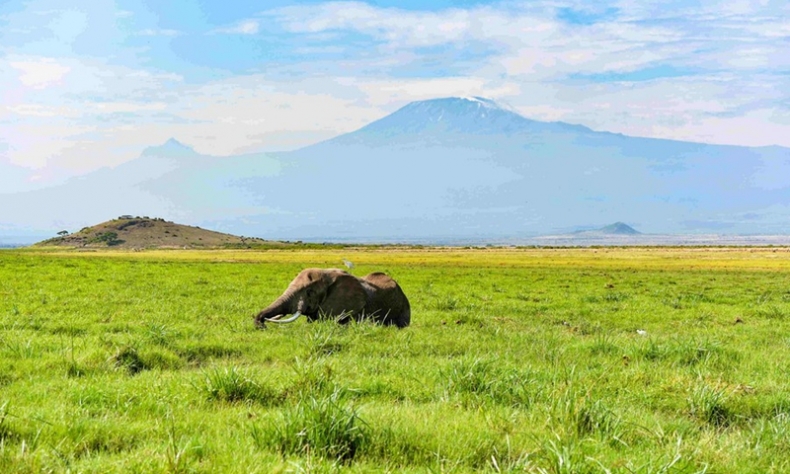
African leaders must create jobs to discourage locals from encroaching on protected areas and poaching rare animals to beat poverty.
For the billions of people in Africa, nature and biodiversity is everything. It’s the difference between poverty and wealth, the difference between going to bed on a hungry stomach and full stomach, and essentially the difference between life and death.
Unlike in the developed world, the African continent is not as industrialized as Western Europe, the United States and parts of Asia where food production does not entirely rely on nature and biodiversity. In Africa, the majority of our population relies on nature for food, work and medicine (medicinal plants). In other words, biodiversity is everything for the African continent.
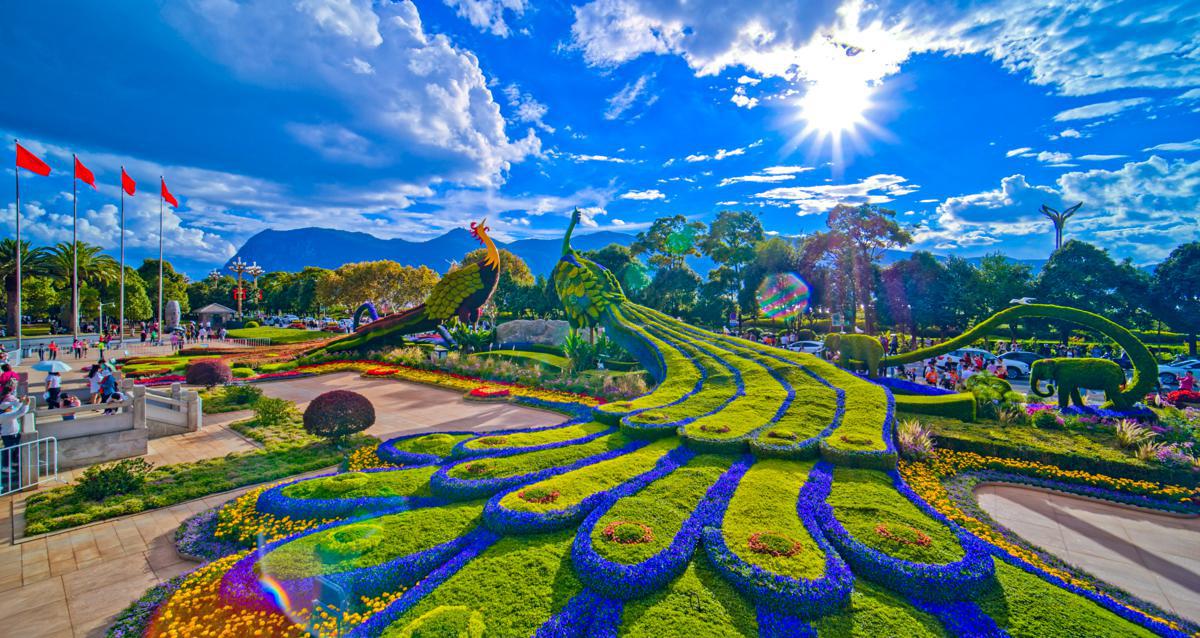
The upcoming 15th meeting of the Conference of the Parties to the UN Convention on Biological Diversity (CBD) to be held in Kunming, China, in October, is expected to provide the global community with further opportunities to join forces at all levels to build a better future in harmony with nature.
Livelihood support
While most African countries are signatories to international conventions on the preservation of biodiversity, and have made commitments toward the CBD, some of them have made very little progress in protecting nature. The exceptions are a few relatively rich countries such as South Africa, Kenya, Egypt and Morocco, thanks to their resources, political will and implementation of strict biodiversity protection laws.
Like most parts of the world, the continent is experiencing massive biodiversity losses due to deforestation, land degradation, pollution, climate change and uncontrolled plant harvesting, among others. A combination of population growth and poverty has resulted in some communities encroaching on protected areas and poaching rare animals such as rhino.
This has resulted in rare plants and animals facing extinction as most countries in Sub-Saharan Africa have limited resources to invest in biodiversity preservation programs.
Failure by African governments to preserve biodiversity would spell disaster for the population, according to Professor William A. Shivoga, an Aquatic Ecologist in the Department of Biological Sciences at Masinde Muliro University of Science and Technology in Kenya.
“If we don’t take care and protect our biodiversity and nature, we would be in trouble. A lot of the tourism we have in Africa is associated with nature. Most of it is scenery. Many people come to Africa to see elephants, lions, etc., those so-called big five. So, in Africa, when you interfere with biodiversity or you create a situation where you are experiencing biodiversity loss, it can easily translate into poverty,” said Shivoga.
“It increases poverty in the African regions because people are so tied to nature, and biodiversity means a lot to them than to somebody in London, or Tokyo who might be sitting in the city and their industries produce. Us, we are directly dependent on nature. When you have land degradation, soil erosion, you are actually just losing it. Land degradation has a direct impact on biodiversity,” he added.
Progress and challenges
Kenya has made progress in the preservation of biodiversity thanks to the efforts of the Kenya Wildlife Service. It has invested human and financial resources to preserve the Kakamega Tropical Rain Forest, Mount Kenya National Park and Masai Mara National Park, among others.
The Kenyan Government also occasionally arranges bus drives for the local communities to visit national parks to get a feel of and understand the importance of biodiversity.
Kenya as a country has made substantive efforts toward the commitment to the CBD. However, according to Shivoga, as it is normal in many of the developing countries, the requirements of resources and finances to protect those conservation areas and ensure biodiversity is taken care of becomes a challenge. “Another thing is that the population in Kenya has been growing very fast, and there is a huge poverty rate in some areas. Many of the people just rely directly on natural resources; therefore, even where the government has enclosed protected areas, there is occasional poaching and encroachment because of population pressure,” he noted.
In most parts of the country where the Kenyan Government has put in place measures to protect and conserve wildlife, Shivoga noted, there is “human pressure because when the population grows very fast, and people want land, there is always some effort to convert the natural forest and natural grassland into farming areas. In many cases, the government tried and even put electrical fences in some protected areas.”
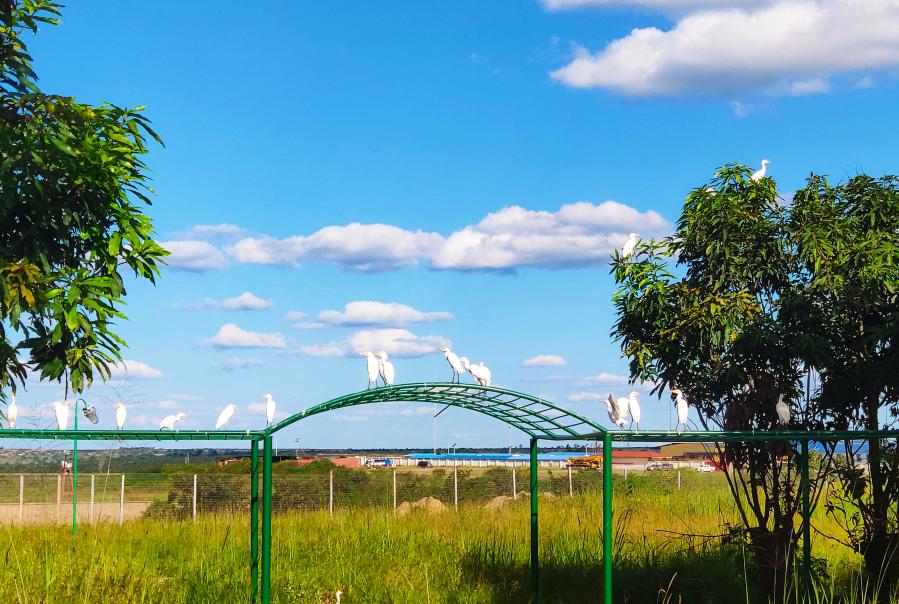
The same applies to South Africa. While the Africa’s most developed economy has made significant progress in biodiversity preservation, it still faces more or less similar challenges as Kenya and other countries, according to Professor Joshua Olowoyo, an environmental expert from the Sefako Makgatho University in Pretoria.
“South Africa has a good system in preventing biodiversity loss. It has programs in place that assist to prevent this particular biodiversity loss in Africa. Just as I mentioned, we talk about habitat loss and degradation. We have SANBI (South African National Biodiversity Institute) and different organizations that are trying to protect these laws,” Olowoyo said.
There is other legislation that is in place in South Africa. There is a white paper on the convention and sustainable use of the country’s biological diversity of 1997, the Environmental Management Act of 1997, as well as the National Environmental Management Act which establishes principles of environmental legislation and defines and support an objective that will assist to further the protection of certain animals and plants, and also coastal management that will reduce the effect on these plants and animals.
In the case of South Africa, progress has been made thanks to the government agencies such as the South African National Parks which conserve biodiversity in the country’s national botanical and zoological garden, as well as Grasslands Programs, a partnership between government, non-governmental organizations and the private sector to mainstream biodiversity, with the intention of balancing biodiversity conservation and development imperatives in a production landscape.
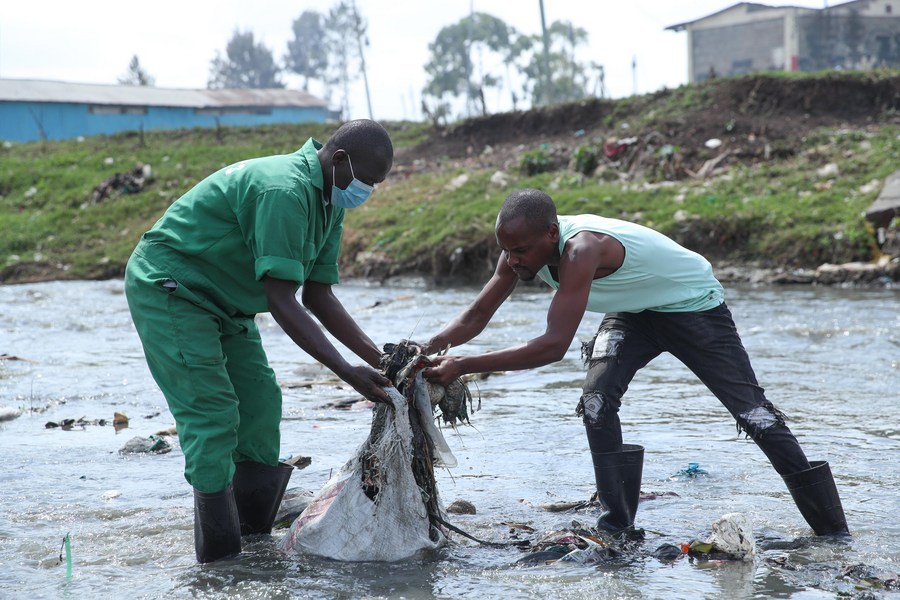
Despite all the progress made, South Africa still has challenges like land usage and mining development. Like many other countries, it needs awareness programs on the importance of biodiversity to get buy-in from the population. It is common knowledge that people tend to protect something whose value they understand. In this case, the economic benefit (food production), commercial value and medicinal value (medicinal plants) should be explained to get the public on board in biodiversity protection.
The African governments should implement some of the pollution reduction laws that are in place and introduce modern technology to reduce the impact of pollution. It is important to minimize corruption and waste of public resources, and live up to the saying that collective resources should be put to proper use. African leaders should also license more private players to make biodiversity preservation a shared responsibility between the public and the private sectors.
Most importantly, African leaders must create jobs to discourage locals from encroaching on protected areas and poaching rare animals to beat poverty. Just like Shivoga said, “Sometimes one looks and says why protect a national park full of beautiful wildlife when you have the real population around it and they have nothing to eat, no land, and nothing to do. That poses a challenge to the government.”
The author is editor of Pretoria News of South Africa.
Source: Beijing Review