BRICS Helps to Shape the Architecture of a New Global Order
 Facebook
 Twitter
 Linkedin
 Google +
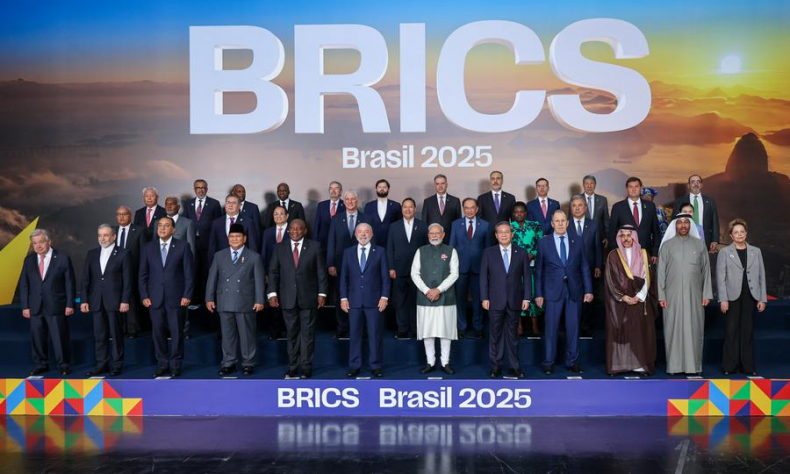
As the center of global gravity continues its eastward and southward shift, BRICS will likely become not just a network, but a pillar of a more just, equitable international order. The road is long, but the trajectory is clear.
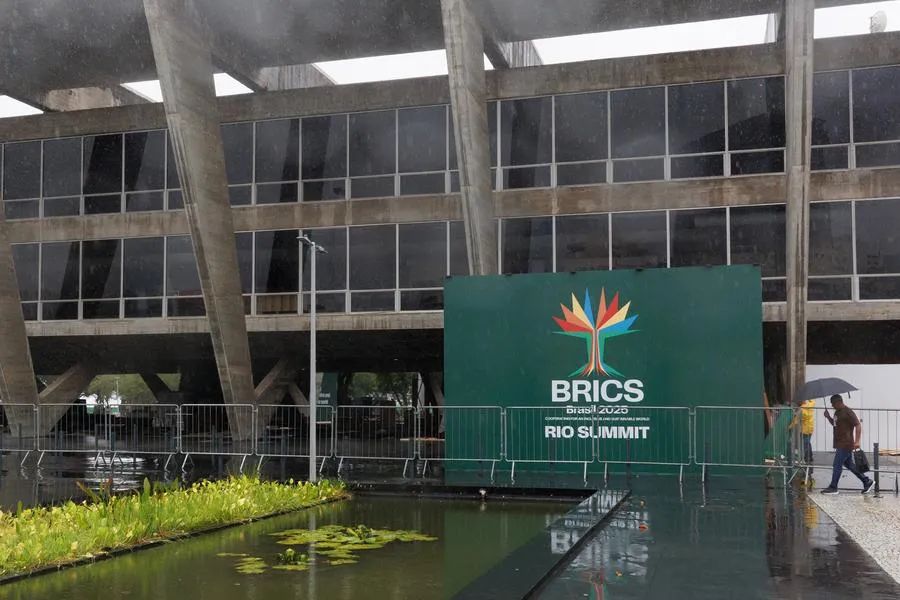
The BRICS summit, which opened in Brazil on July 6, is more than a diplomatic gathering; it reflects major changes underway in the world order. While Western skeptics continue to dismiss the network as too diverse internally or incoherent politically to become a meaningful alternative to the Western-led world order, BRICS continues to expand, both in terms of membership and influence.?BRICS is becoming more than just a platform for developing nations to express their concerns. Instead, it is increasingly a geopolitical and economic force helping shape the foundations of a multipolar world.
From its original five members — Brazil, Russia, India, China and South Africa — BRICS now counts 11 full members, having recently welcomed key additions from across the Global South. Its partner countries represent a growing web of coordination, consultation and cooperation. Nations across Africa, Latin America, the Middle East and Asia are gravitating toward BRICS in pursuit of shared development objectives, strategic autonomy and more equitable global governance.
The numbers speak volumes. Today, BRICS countries account for over half of the world’s population, nearly 30 percent of global GDP, and more than 50 percent of global economic growth. More critically, BRICS commands an outsized share of the world’s natural resources, industrial production and growing technological capacity. These metrics are not just symbolic; they underscore a redistribution of global economic gravity.
This shifting fulcrum is especially clear in BRICS’ expanding footprint across Asia. China, a founding member and the network’s principal economic engine, is now joined by Indonesia as a full member. Meanwhile, partner country status has been granted to Malaysia, Thailand and Vietnam, three dynamic economies central to regional supply chains and South-South trade. This clustering marks a strategic rebalancing — a consolidation of economic strength along the East and Southeast Asian arc, supported by China’s infrastructure and financial reach.
Yet BRICS’ growing presence comes amid rising geopolitical headwinds. Russia and Iran, two of the bloc’s most strategically important members, have faced direct military confrontation and sustained hybrid warfare. China, for its part, has become the main target of U.S. containment policy, facing a growing regime of tariffs, export controls, technology sanctions and military encirclement. Western attempts to fragment global value chains and decouple them from BRICS economies may not reflect a coherent strategy, but they certainly aim to reverse or stop the gradual erosion of post-Cold War unipolarity.
Paradoxically, these very pressures have strengthened BRICS. By threatening punitive tariffs of 100% or more if BRICS members reduce their reliance on the U.S. dollar, President Donald Trump has only underscored the need for alternatives to the dollar-based financial system. The weaponization of the dollar — through secondary sanctions, exclusion from SWIFT, asset seizures and trade blockades — has turned what was once the global reserve currency into a geopolitical hazard.
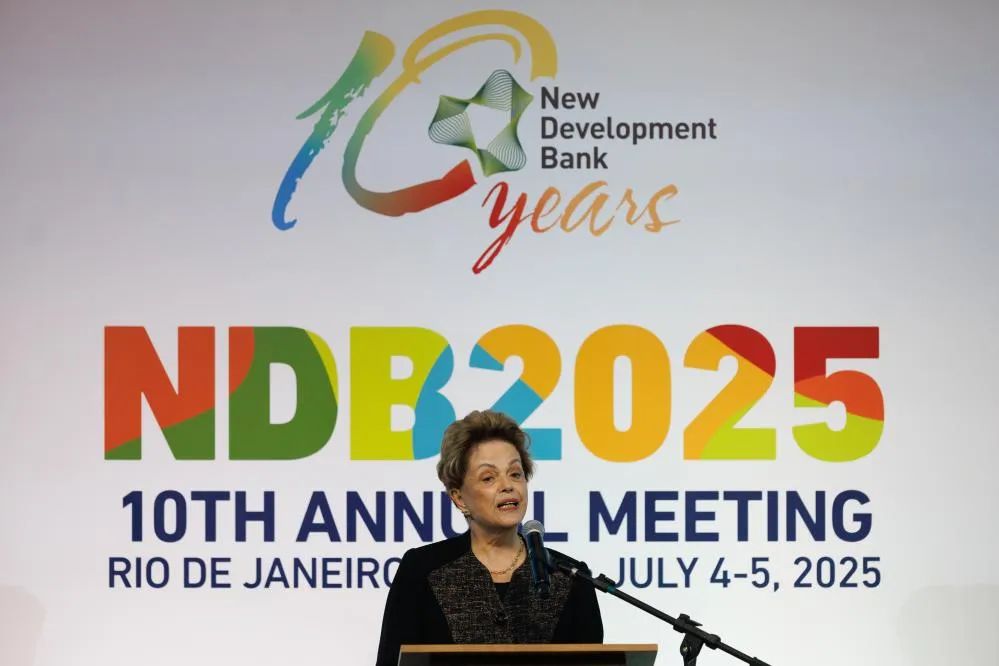
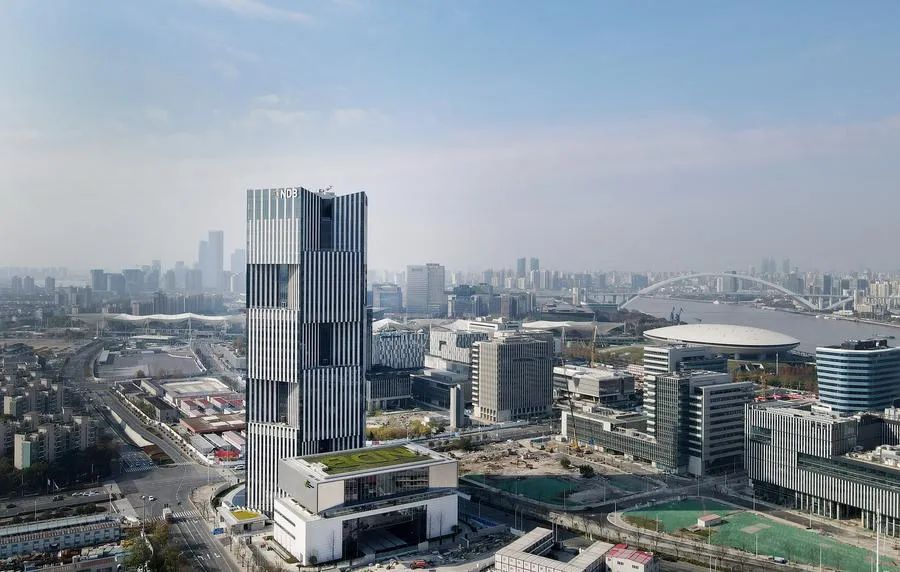
This erosion of trust has deepened interest in alternative trade settlement and finance systems. Through the New Development Bank and bilateral central bank arrangements, BRICS has begun laying the groundwork for a de-dollarized financial architecture. Local currency settlements, digital payment platforms and even discussions of a BRICS currency basket reflect the group’s intention to build economic resilience and monetary sovereignty. While still at an early stage, these efforts are steps toward a potential transformation of the international financial system.
In a world where conflict increasingly takes the form of economic disruption — trade wars, sanctions and supply chain fragmentation —?the BRICS network offers an alternative based on industrial complementarity, sustainable development and cooperative security. Its ongoing work on local currency settlement platforms, digital payment infrastructure and South-South trade corridors demonstrates its practical orientation.
BRICS is also filling the vacuum left by the retreat of Western multilateralism.?The United States has stepped back from key international agreements and institutions, from the Paris climate accord to the World Trade Organization, leaving gaps in governance, financing and leadership.?BRICS members, by contrast, have adopted a pragmatic approach, advancing inclusive development, regional infrastructure and ecological transitions while calling for reforms to the U.N. Security Council, International Monetary Fund and World Bank to reflect the realities of the 21st century.
Importantly, BRICS is not trying to replicate the Bretton Woods system or recreate Cold War-style blocs. Its model is one of pluralism, an evolving network of sovereign states cooperating where interests align without demanding ideological conformity. It speaks the language of development, equity and multipolarity, not hegemony. Its diplomatic culture accepts internal differences but prioritizes shared interests to resist one-sided global dominance.
While critics point to these internal divergences as fatal flaws, they overlook the stronger unity that holds the group together: a shared commitment to noninterference, mutual development and reform of global institutions.?BRICS gives the Global South a way to collectively assert itself, not by opposing the West but by addressing longstanding imbalances of power and representation.
China is at the heart of this grouping, whose consistency and strategic patience provide a stabilizing center of gravity. Beijing’s vision of a global community of shared future aligns with BRICS’ developmental ethos. The country also brings institutional weight, capital and an unmatched capacity for long-term infrastructure development. China’s presence helps make BRICS more than just a forum. Instead, it is becoming an institutional actor.
China’s role is not merely financial or economic. It also plays a diplomatic role, often mediating tensions within the bloc and advancing initiatives that align BRICS with broader global goals such as ecological sustainability, food security and digital cooperation. Its own development trajectory, having lifted more than 800 million people out of poverty over four decades, provides an example for other developing nations. Through BRICS, that experience is being translated into policy frameworks and financial instruments available to others.
It is telling that while Western-led summits increasingly struggle to produce meaningful outcomes, the BRICS agenda continues to expand, from finance and trade to health cooperation, food systems, education and environmental stewardship. The network has convened dialogues on AI governance, biodiversity and digital sovereignty, all issues with global resonance, often neglected or over-politicized in other forums.
As we look ahead,?BRICS represents not a challenge to the international order, but a rebalancing.?The post-1945 institutions no longer reflect the distribution of global population, production or political aspiration. BRICS is not demanding their destruction, but their renewal. It calls for voice and agency for the world’s developing and emerging economies, offering a platform to articulate and realize that vision.
For all its internal contradictions and external pressures, BRICS has endured. More than that, it is growing. As the center of global gravity continues its eastward and southward shift, BRICS will likely become not just a network, but a pillar of a more just, equitable international order. The road is long, but the trajectory is clear.
Warwick Powell is an adjunct professor at Queensland University of Technology and a senior fellow at the Taihe Institute.