 Facebook
 Twitter
 Linkedin
 Google +

From Ambition to Action
While independently addressing global climate change, China has intensified cooperation with the international community, actively participating in global climate governance.
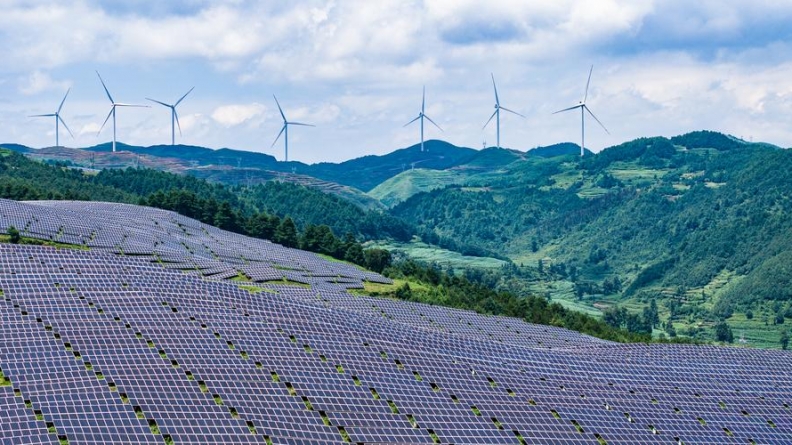
While independently addressing global climate change, China has intensified cooperation with the international community, actively participating in global climate governance.

In a turbulent and complex global environment, China continues to work toward socialist modernization, building common prosperity and an ecological civilization, while engaging with the world on the basis of mutual respect and mutual benefit.
Planning is what the key to responsible governance looks like. It’s one of the lynchpins of China’s unapparelled success in bringing wealth and wellbeing to its people, including women, those of different ethnicities and above all the poorest of the poor.

As China keeps achieving its environmental objectives, and becomes more ‘Beautiful,’ I’m confident that its experience in environmental governance will increasingly be a reference and source of inspiration to other countries.
The GGI, the broader Global South mobilization, and the example of Central Asia’s diplomatic model all point toward a re-anchoring of global governance around equality, cooperation, and action.
China’s proactive actions in addressing climate change provide the Global South with new options for achieving green development.

Coexistence is not about one system erasing another. It is about weaving different realities into a single, strong social fabric. From Hong Kong, we have learned that this symphony, while challenging, is possible.

The Global South will undoubtedly become the most dynamic force in advancing these goals by focusing on real results. In many areas, we can make mutual contributions—and that should be the driving force of our cooperation.

Throughout the 15th Five-Year Plan period, China plans to fully leverage its expansive domestic market, fast-track the development of new productive forces, and cultivate emerging industries such as AI, biotechnology, and new energy.
With China among the top three trading partners for over 150 countries and regions worldwide, the guidelines will help determine global prosperity and the wellbeing of the world’s people.?

By embedding human welfare, environmental responsibility and strategic foresight into the architecture of global cooperation, the GGI offers a roadmap for addressing structural vulnerabilities while advancing the collective good.

China’s wisdom lies not only in calling for the unity of the Global South through the GGI but also in laying down the practical foundations for success—dynamic markets, adaptable economies and resilient cultural roots that withstand external shocks.