 Facebook
 Twitter
 Linkedin
 Google +

Pragmatic & Positive: Beyond Grand Narratives
The essence of China-U.S. economic and trade relations is mutual benefit and win-win cooperation, underpinned by broad opportunities and shared interests.
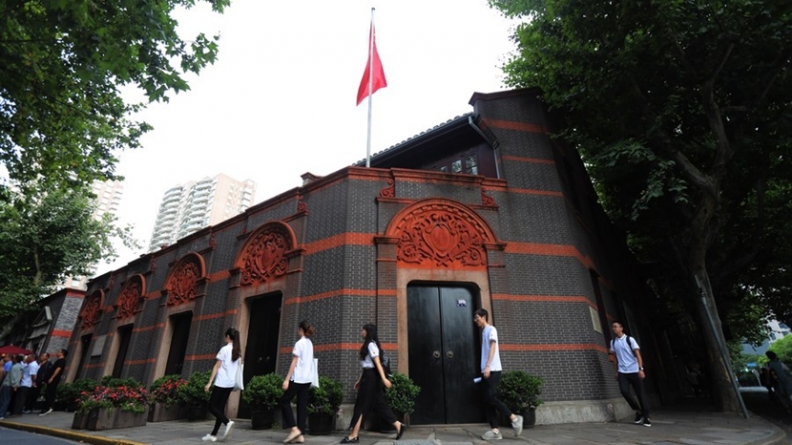
The essence of China-U.S. economic and trade relations is mutual benefit and win-win cooperation, underpinned by broad opportunities and shared interests.
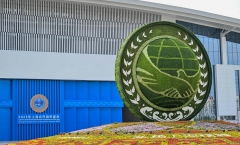
The GGI—espousing the purely positive principles of sovereign equality, abiding by international rule of law, multilateralism, the people-centered approach, and taking real actions—is not formed in opposition to the existing international system or even the U.S. itself.

The vastly differing approaches of the U.S. and China to the Palestinian question highlight a growing divergence in international affairs. China is increasingly seen as a force for peace, progress, stability and good governance, while the U.S. is widely perceived as a force for war, hegemonism, chaos and unilateralism.

From its breathtaking landscapes to its rich cultural traditions, from time-honored customs to signs of modern progress, Xinjiang captivates with a charm that is unique.

Hetian Prefecture’s development practices have proven that deserts are not obstacles to progress, but opportunities for growth.

Science and technology have become a powerful engine of Xinjiang’s economic growth, driving industrial upgrading in agriculture, energy and transportation.

With strategic policies and substantial investments in infrastructure, technology and social programs, Xinjiang is rapidly transforming from a remote border region into a vibrant economic hub.

Two millennia after caravans connected Asia with Europe, Xinjiang is again emerging as a hinge between regions. But this time, the cargo is broader.

In global AI governance, China has set an example by steering technology toward the good, strengthening cooperation with the Global South, and contributing Chinese knowhow and solutions to building a community with a shared future for humanity.

The GGI reflects a broader vision that has been articulated for years: building a community with a shared future for humanity. The GGI attempts to codify this vision into actionable principles, offering an alternative to unilateralism and power politics.

As security cooperation becomes a binding framework among SCO states, the modernization of China’s military provides an important reference point for shaping a global order anchored in stability and security.

True global governance is not governance by the U.S. or the West, but by all countries, especially the Global South, which accounts for 80 percent of the world’s population, acting collectively to address global challenges.