 Facebook
 Twitter
 Linkedin
 Google +

Rereading the World Map
Technology and collaboration are transcending borders and bringing cities and civilizations closer.

Technology and collaboration are transcending borders and bringing cities and civilizations closer.


To make the American vision for the new era, whereby ‘every nation can choose its own path and its own partners’ a reality, the United States must put down its cudgel and show true respect for the development path of other countries.

That the ruckus at the U.S. Congress about Taiwan-related issues has triggered a race to the bottom is alarming. It testifies to the relentless degradation of the political environment and the U.S.’s growing anxiety about losing its hegemony.
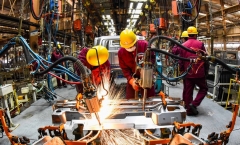
China’s huge market coupled with its complete industrial system and business-friendly environment, further propped up by policy support, is attracting increasing numbers of foreign firms to explore the enticing opportunities.

Insofar as the future becomes a binary choice between Chinese and Western culture – a false model denying cultural traditions to over half of humanity – history favors the former.

Given a complex international environment, China’s impressive economic performance augurs an upbeat development trajectory in the second half of the year.

It is the spirit of a community of shared future, the only viable option for humanity.
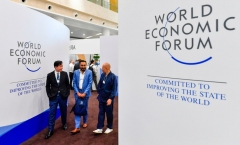
Decoupling based on relatively old data, or following certain narrow-minded narratives with some stemming from the Cold War 2.0 trap, entail risks of their own.

The development of artificial intelligence will lead to structural reform in almost every industry in the future.
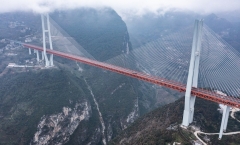
Even in times of crisis, China has been growing economically and remains a land of limitless possibilities.

The peaceful nature of Chinese civilization fundamentally determines that China will continue to build world peace, contribute to global development and safeguard the international order.