 Facebook
 Twitter
 Linkedin
 Google +
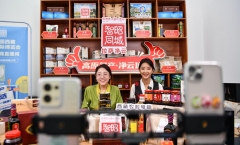
How Livestream E-Commerce Connects Digital Commerce with Cultural Heritage
The term ‘直播帶貨’ (or livestream e-commerce) becomes a story in itself, providing a lens through which to observe a modern, dynamic and culturally rooted China.
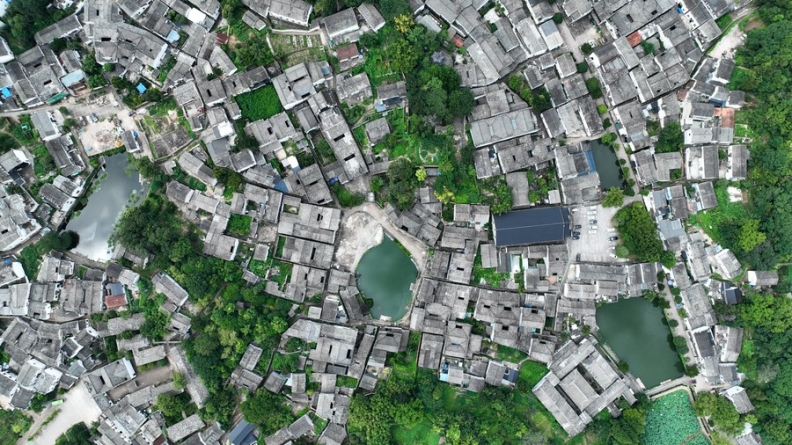
The term ‘直播帶貨’ (or livestream e-commerce) becomes a story in itself, providing a lens through which to observe a modern, dynamic and culturally rooted China.
More and more domestic products are being shipped to Central Asia and Europe via Xinjiang, while Xinjiang’s specialty products are entering Eurasian markets through cross-border express services.
Planning is what the key to responsible governance looks like. It’s one of the lynchpins of China’s unapparelled success in bringing wealth and wellbeing to its people, including women, those of different ethnicities and above all the poorest of the poor.
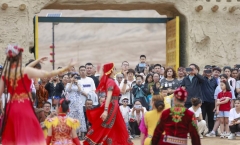
The great changes of Xinjiang over the past 70 years show that the system of regional ethnic autonomy respects history, conforms to national conditions, and meets the aspirations of the people, thus having tremendous advantages and strong vitality.
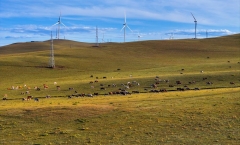
From desert dunes to green forests and fertile farmland, Tongliao in Inner Mongolia offers a blueprint for ecological and economic restoration.
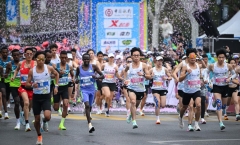
The national weight management campaign, part of the broader Healthy China strategy, enhances public health literacy, fosters healthy living habits, and creates supportive environments for sustained weight control.

Hetian Prefecture’s development practices have proven that deserts are not obstacles to progress, but opportunities for growth.

With strategic policies and substantial investments in infrastructure, technology and social programs, Xinjiang is rapidly transforming from a remote border region into a vibrant economic hub.
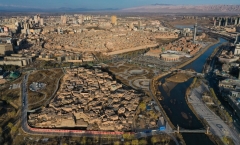
Kashi, a busy entrepot along the ancient Silk Road, is writing a new chapter in its history as it makes the most of geographical advantages, policy support and an inclusive trade ecosystem.
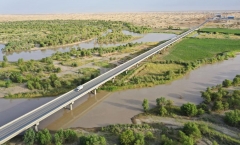
By combining shelterbelts, water-saving technologies, pollution controls and community engagement, Xinjiang is transforming landscapes once considered beyond recovery.
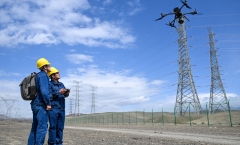
Wind and solar energy are shoring up a new pillar industrial cluster in Xinjiang.
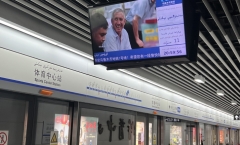
Understanding the autonomous region helps outsiders decode China’s broader ethnic policy: autonomy instead of federation, culture instead of secession, and minority faces in civilian posts.