 Facebook
 Twitter
 Linkedin
 Google +
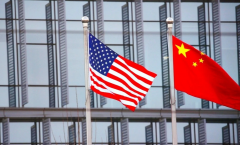
Progress Towards a Mutually Beneficial China-U.S. Trade Framework
The two countries can help lift bilateral trade from its current lows to new heights, benefiting not only both nations but also the global economy as a whole.

The two countries can help lift bilateral trade from its current lows to new heights, benefiting not only both nations but also the global economy as a whole.

It is very clear that real progress will only be possible when the global situation becomes calmer. Today, tensions are too severe to foster broad cooperation among all parties. I believe that the top priority now is to resume peace.


Based?on?the?previous achievements and experiences, China will take center stage by increasingly interconnected with the global economy and offering significant opportunities to the rest of the world.

Through innovation, green development, coordinated regional advancement, reform and opening-up, and common prosperity, the 15th Five-Year Plan represents China’s strategic blueprint for global leadership.

Optimism for China’s role is well-founded, given its position at the forefront of global climate governance, its demonstrated commitment to climate issues, and its capacity to deploy technological expertise for international benefit.
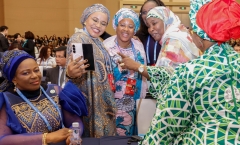
While significant advances have been made in recognizing women’s rights and promoting gender equality, much remains to be done to ensure that all women—particularly those in the Global South—can live in security and dignity.

By combining culture with commerce and heritage with innovation, China is demonstrating that its ancient capitals are not relics of the past but prototypes of innovative cities for the future.

China’s inclusive and consultative approach reflects not a pursuit of dominance, but a model of leadership grounded in listening, partnership and consensus-building, embodying a responsible global stewardship that stands in contrast to the old paradigm of unilateralism.

Beijing’s voluntary decision to abandon developing-country trade benefits demonstrates its mature global leadership and commitment to reforming the multilateral trading system for all.

The U.S. soybean dilemma highlights a harsh truth in global trade: Unilateralism and tariff wars are counterproductive. By continuing to favor coercion over cooperation, the United States may find itself increasingly alone in the global marketplace.

Achieving gender equality globally remains an arduous task, one that has demonstrated its potential but also increasingly encountered headwinds.