China: Global Leader and Global South Champion in Development
 Facebook
 Twitter
 Linkedin
 Google +
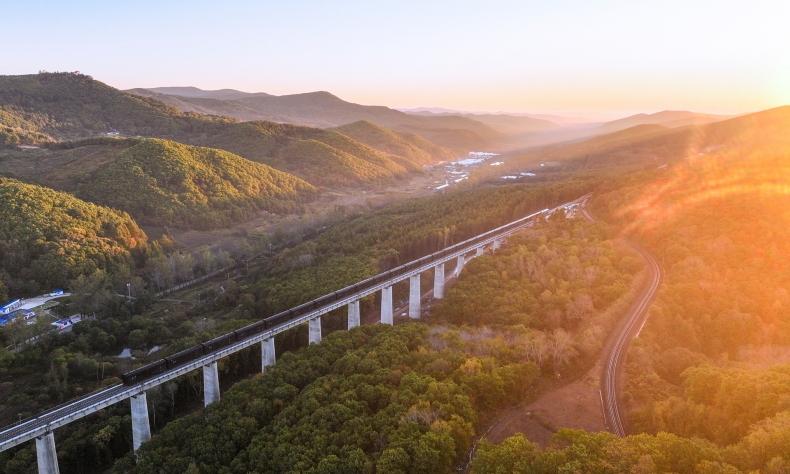
China’s decision not to seek new special and differential treatment in WTO negotiations represents both its solidarity with the Global South and its principled, responsible approach to being a major country.
A growing global debate has focused on China’s self-identification as a responsible major developing country. This identity would seem at odds with its position as the world’s second-largest economy, its possession of the largest manufacturing industry, and its leadership in advanced technologies.
This perceived ambiguity over China’s developmental status intersects with broader questions about its future trajectory.?Many in the West worry about how China engages with the existing international order. These uncertainties seem to fuel anxieties about China’s role in global affairs.
At the core lie issues of trust, predictability and power: Will China act as a responsible stakeholder that contributes to cooperation and stability? Or will it seek to reshape rules and institutions in ways that advance its own vision? The absence of clear answers continues to shape Western elite perceptions and strategic calculations concerning China’s rise.
On Sept. 23, 2025, Chinese Premier Li Qiang announced that China will not seek any new special and differential treatment (SDT) in current and future negotiations at the World Trade Organization (WTO). SDT refers to a set of provisions granting developing and least-developed countries more favorable terms than developed members.
These measures typically allow extended timelines for implementing trade commitments. They provide flexibility in meeting obligations and permit the retention of certain trade barriers for longer periods. They also encourage developed countries to offer technical assistance and capacity-building support. The measures promote preferential market access through reduced tariffs or quota-free entry for exports from developing economies.
In addition, SDT recognizes the right of developing countries to adopt safeguards. These safeguards protect infant industries, ensure food security, and advance broader development goals.
The SDT policy at the WTO reflects economic realities. Due to the historical legacies of imperial expansion, colonization, and the global division of labor, countries hold uneven positions within the global economy. Classifications such as “core, semi-peripheral and peripheral,” “developed vs. developing,” or “North vs. South” illustrate the persistent inequalities in wealth, power and opportunity across nations.
After decades of sustained effort, China progressed from a peripheral position when the People’s Republic of China was founded in 1949 to a semi-peripheral status in the 1980s-1990s.?It is now increasingly demonstrating core-like strengths in the world economy, especially in advanced technology, manufacturing and trade.
The Chinese government’s announcement represents an important change in both symbolic and practical terms.?By voluntarily giving up SDT, China sends a clear message. It is prepared to take on developed-country responsibilities and accountability while positioning itself as a bridge that can advocate for developing economies in global trade.
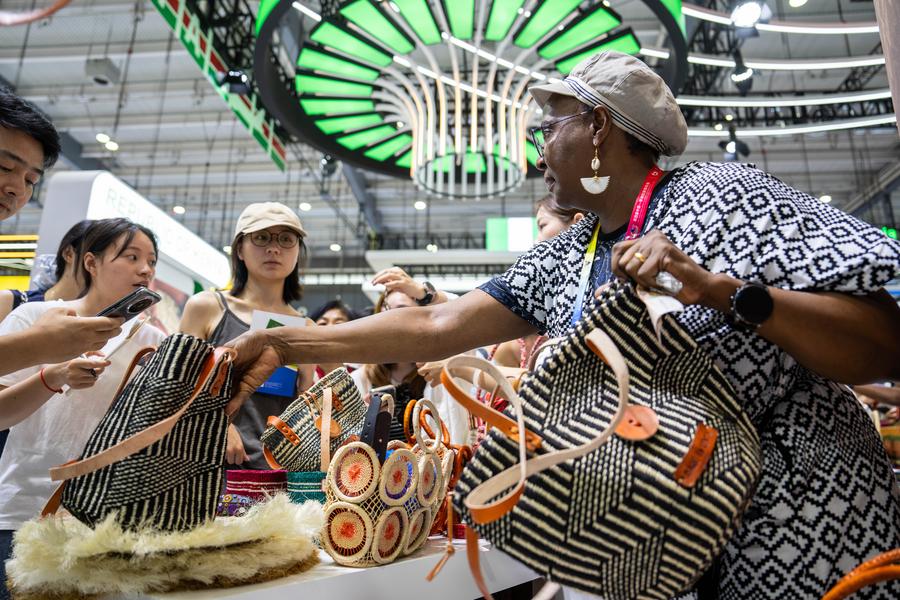
This move could enhance China’s influence in global trade negotiations as a “rule-maker.” It allows China not only to advance its own interests but also to advocate for fairer rules and outcomes for developing countries.?By continuing to identify itself as a developing nation, China emphasizes its solidarity with the Global South and preserves its political legitimacy among countries confronting similar historical and structural challenges.
This dual approach carries several implications for China’s effort to balance competing objectives. It allows China to demonstrate its commitment to international rules and responsibilities to developed countries while maintaining moral authority, influence and soft power among developing nations.
By combining responsibility with flexibility, China can maximize its long-term competitive leverage. Through this sophisticated management of national identity, China can navigate complex international expectations and responsibilities.?It can help advance China’s vision of an open, inclusive, clean and beautiful world that enjoys lasting peace, universal security, and common prosperity.
It is important to note that while China enjoyed SDT benefits at the WTO as a developing country, it has already taken on significant responsibilities in global development. China has emerged as a leading global development financier, committing more than $1 trillion to low- and middle-income countries from 2000 to 2021. This exceeds the contributions of any other bilateral donor.
At the same time, China has taken a leading role as an infrastructure investor through the Belt and Road Initiative and related programs. It has built ports, railways, power plants, and digital infrastructure that have become central to connectivity and growth strategies across Asia, Africa, and Latin America.
Furthermore, it has become the largest bilateral lender to developing countries, surpassing the combined lending of the World Bank, International Monetary Fund, and Paris Club. This positions China as a pivotal player in global development finance.
In international politics, a state’s identity is not fixed but dynamic, continuously shaped through interactions with other actors. Consequently, states develop varying national interests and behaviors in global domains. These identities, rooted in shared culture, historical experiences, and collective memories, influence how states perceive themselves, relate to others, and formulate foreign policy.
In China’s case, its identification with the Global South is deeply rooted in historical and structural experiences shaped by global inequalities, including colonial exploitation, foreign intervention and economic marginalization in earlier periods of modern history.?By framing its role through these shared experiences, China emphasizes its solidarity with less-developed nations that have faced similar challenges. This justifies its stance in global trade, development, and climate negotiations.
This identity not only shapes China’s foreign policy priorities but also reinforces its legitimacy as a leader advocating for fairness, equity and representation for countries historically disadvantaged within the international system.
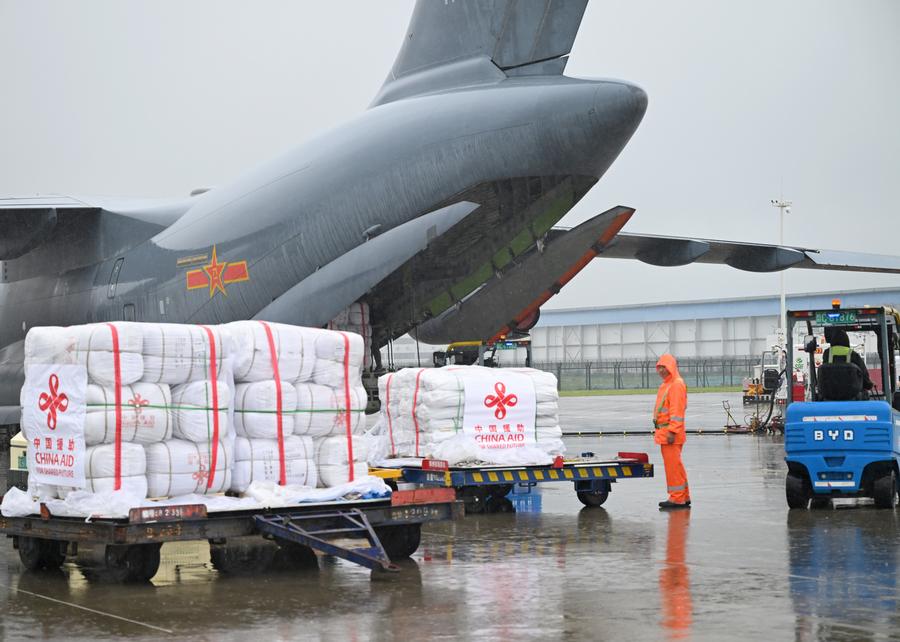
On Sept. 1, Chinese President Xi Jinping proposed the Global Governance Initiative (GGI) at the “Shanghai Cooperation Organization (SCO) Plus” Meeting in Tianjin. The initiative aims to strengthen and improve global governance amid rapid changes and unprecedented global challenges.
The initiative addresses a central question of our time: What kind of global governance system should be built, and how can the current system be reformed and enhanced? The GGI follows a series of major initiatives proposed by President Xi, including the Belt and Road Initiative, the Global Development Initiative, the Global Security Initiative, and the Global Civilization Initiative. Together, these initiatives reflect China’s vision for a more cooperative international order.
By connecting specific policy actions — like forgoing SDT in WTO negotiations — with broader initiatives like the GGI, China demonstrates its commitment to practical leadership.?It aims to translate global governance ideals into responsible engagement. In doing so, it projects itself not only as a global “initiator” but also as a global “implementer.”
More broadly, this decision carries implications that extend beyond China itself. It may set a precedent for other emerging economies, such as India or Brazil, to reconsider their continued reliance on SDT.?At the same time, it strengthens China’s ability to present itself both as a reform-minded stakeholder within multilateral institutions and as a leading advocate for developing nations.
Ultimately, it challenges the traditional Western realist assumption that an emerging power, upon reaching superpower status, will inevitably pursue global expansion and hegemony. China’s decision to forgo new SDT privileges underscores the peaceful nature of its rise, characterized by diplomatic engagement, multilateral cooperation, and a commitment to global stability and shared responsibility.
In conclusion, China’s global initiatives, along with its recent decision to relinquish SDT in WTO negotiations, mark more than just a policy adjustment. Rather, it represents a deliberate effort to redefine its role in global governance.?By positioning itself both as a responsible global player and a dedicated member of the developing world, China is leveraging a dual identity to advance its vision of a community with a shared future for humanity.
This balancing move allows China to reaffirm its commitment to international rules while maintaining solidarity with the Global South, preserving both its legitimacy and leverage.
I am confident this approach will endure, because China has shown not only the ability but also the determination to deliver on its commitments to cooperation and fair governance.?My confidence rests on the understanding that China is moving beyond its developing-country status. It is emerging as a nation that aims to shape global leadership in deepening global development cooperation and in the joint effort to build a better and more prosperous world.
Li Xing is a Yunshan leading scholar and director of the European Research Center at Guangdong Institute for International Strategies, Guangdong University of Foreign Studies. He is also an adjunct professor of international relations at Aalborg University in Denmark.