China’s “War on Waste” Targets More Than Just Empty Plates
 Facebook
 Twitter
 Linkedin
 Google +
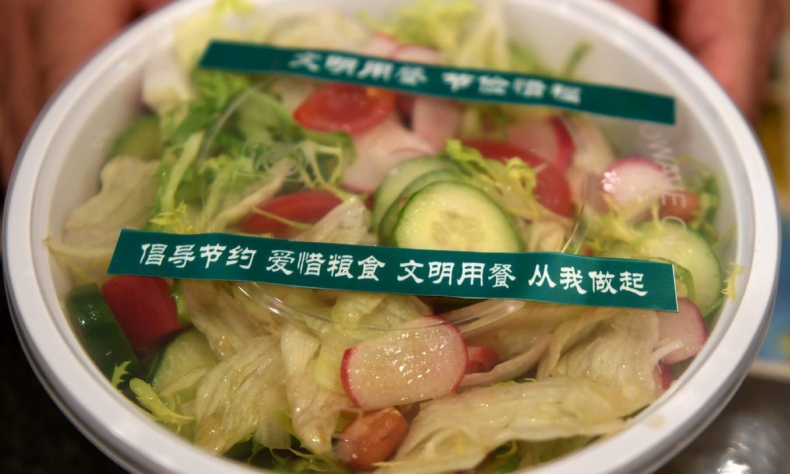
Although China is not the only country to struggle with food waste, its enormous population means that this waste is equal to feeding 30 to 50 million people annually.
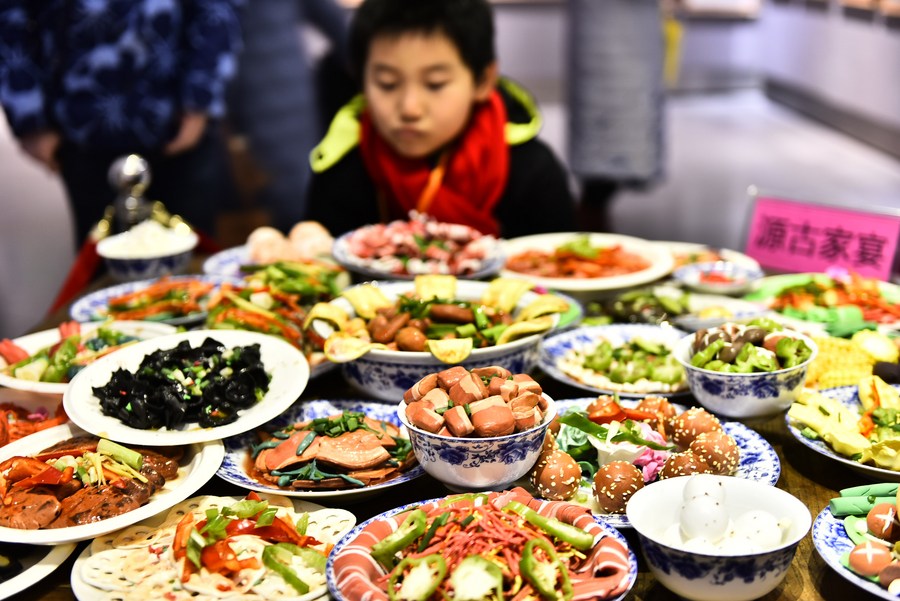
For those who have attended a Chinese celebration or banquet, one aspect they never fail to forget is the sheer amount of food served. Attend a Chinese wedding, and you will feel like you have eaten for a week. Participate in a New Year banquet, and you won’t be able to look at another dumpling for months.
For Chinese hosts, quantity has always been as important as quality, with food often used to demonstrate the respect and honour felt towards those in attendance—a practise known in China as “face” or mianzi.
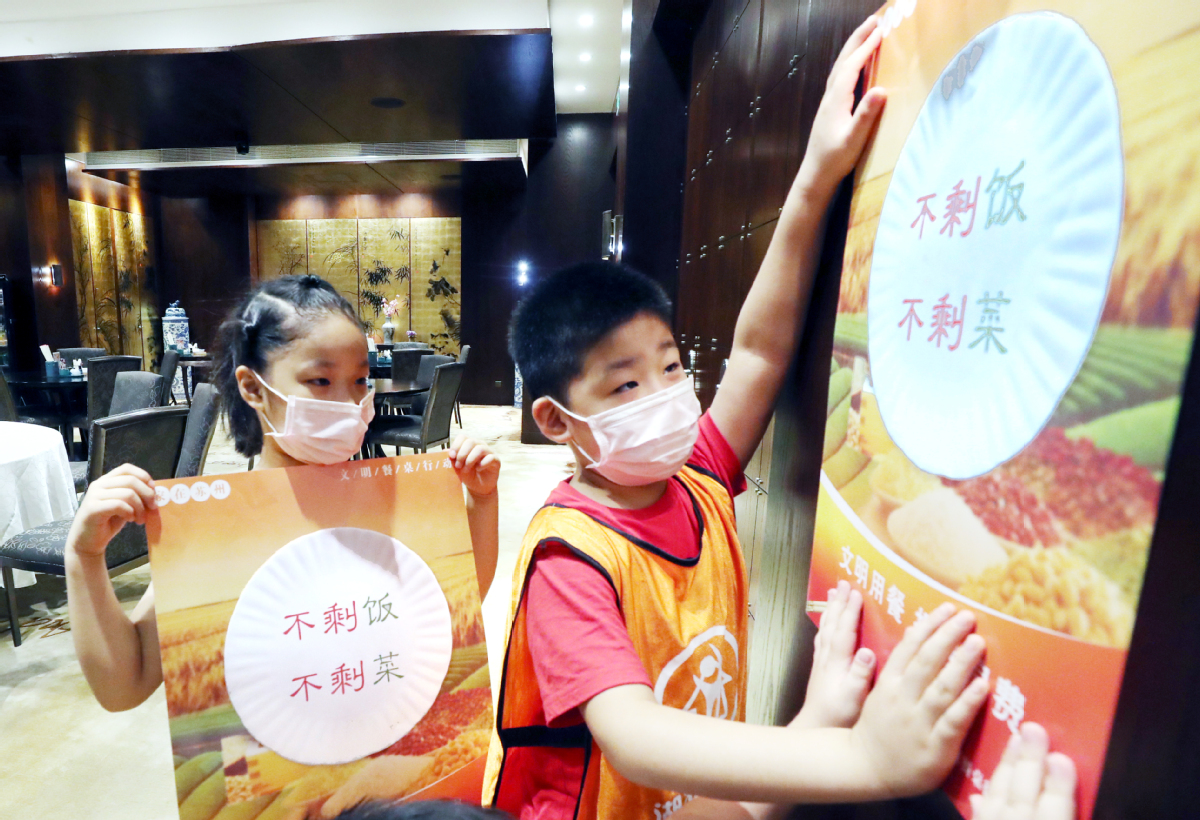
It is a habit that the central government is now trying to tackle, with Chinese President Xi Jinping announcing last week that squandering food should no longer be tolerated in what has been dubbed China’s “war against waste”.
Weighing customers and ordering less
It’s not the first time the issue has garnered attention from the government, with a similar “empty plate” campaign launched in 2013.
But it is the first time it has focused on the general public, and having already gone viral, restaurant owners, regional catering associations and local governments have responded quickly to ensure it is put into practise.
Popping-up in restaurants across the country have been a steady stream of methods intended to encourage customers to re-think their ordering habits, from slogans reminding diners that “food is a gift from nature, let’s not waste it!”, to re-sizing dishes and limiting the amount of food diners can order depending on their party size.
On a legislative level, discussions have also begun to revise regulations and establish new rules to help reduce waste nationally. The National People’s Congress Standing Committee, the top legislative body in China, is considering new rules to fight against wasted food by reviewing the practices of producing, storing, transporting and processing grain.
The question is, why has the government decided to act now?
Food security post-COVID
Some have linked the announcement to the current coronavirus pandemic, with the virus affecting logistics and food security on a global-level. These worries have heightened further as the United Nations warns of further disruption and a potential global food crisis, especially in developing countries.
While China has been able to return to a state of normality, the current situation outside of its borders has caused problems with food logistics. Chinese importers in particular have struggled, not only in sourcing suppliers, but also in ensuring the safety of imports, with instances of imported frozen food carrying traces of COVID-19 recently discovered within the country.
The pandemic has also overlapped with other food issues within China such as the African Swine flu epidemic that has spread through the country since 2019, resulting in the culling of approximately 1.2 million pigs and putting pressure on pork supplies. The current heavy rain hitting the Yangtze Delta—the heaviest and longest period of rain for almost sixty years—is likewise testing supply chains, with critical areas of arable land becoming flooded as the rain continues to fall.
That being said, the government has insisted food is in good shape to cope with consumer demands. China’s summer grain output reached a record 142.8 million metric tons this year, according to China’s National Bureau of Statistics, while pork production is expected to increase after 6,000 thousand new pig farms were established this year.
Environmentally conscience China
With food security a concern but not an overriding issue, the move to combat food waste should therefore be observed through a different perspective, one that both government officials and the general public have become increasingly concerned with: environmental sustainability.
China’s economic transformation over the past forty-years has been startling, but a by-product of this new wealth has been the creation of increased waste and more rubbish. Previously, both regional governments and local residents were happy to overlook these issues as prosperity and living standards soared but over the past few years, as the negative impact of these issues has been revealed, attitudes have changed.
Local governments have become more active in ensuring cleaner air and protecting water supplies, as well as enacting rubbish sorting and recycling regulations to improve the way people dispose material waste. In turn, cities across China have seen rise to a growing number of ecologically conscious citizens, whose spending and eating habits are increasingly influenced by the effect they have on their environment.
Food waste is therefore just the latest target of this sustainable drive, having gone on long enough at “shocking and distressing” levels.
A report by the Chinese Academy of Sciences highlighted the problem in 2018, having found the average restaurant diner in China wastes 93 grams of food every meal, and large cities throw away almost 18 million tons of food every year. Although China is not the only country to struggle with food waste, its enormous population means that this waste is equal to feeding 30 to 50 million people annually—almost the entire population of South Korea.
It is clearly an unsustainable practise that both the government and its people agree can longer continue, not just for the moral implications of wasting such food, but also of the environmental problems that come with disposing such waste.
Food waste accounts for nearly all of China’s solid waste and processing these leftovers involves either building up landfills—which are unsustainable and carry potential risks for soil and water pollution—or incineration, causing damaging levels of methane to be released into the atmosphere. Targeting such levels of waste therefore will help rid the authorities of a problematic habit, whilst simultaneously helping mitigate against the environmental harm such waste causes.
Small but important steps
Patriotic slogans and the actions of overly-enthusiastic restaurant marketing teams may make the initiative feel like a publicity stunt, but as highlighted by the enormous amount of food waste China currently produces and how society is changing within China, it is an important cause to address.
At a time when the coronavirus pandemic has cast a light on the challenges of inequality and the lack of food that many people face, it almost seems unthinkable to continue wasting food at such a rate when there are so many who still have nothing in the world.
This doesn’t mean the fantastic hospitality that Chinese celebrations are known for must come to an end. The year of 2020 has if anything, taught us the value of celebrations, having been witness to so much negativity already this year. But by targeting food waste—and waste in general—the government is ensuring that celebrations can occur, and with aplomb, for many more years to come.