China Should Hold Its Own in Face of Shifting U.S. Policy: Expert
 Facebook
 Twitter
 Linkedin
 Google +
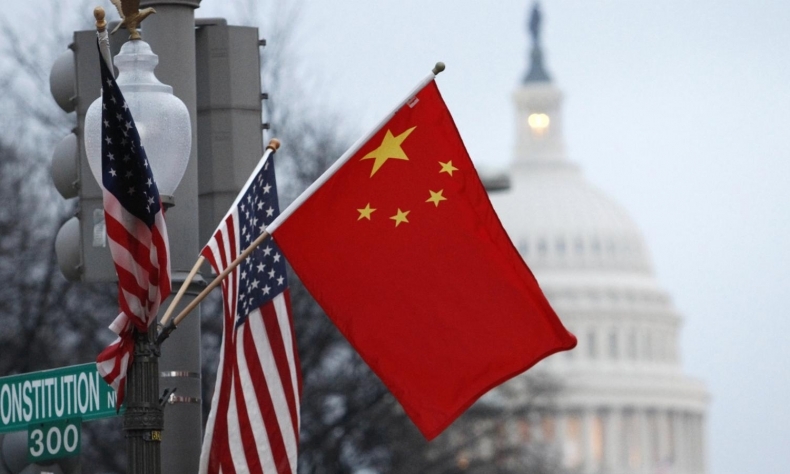
The?Biden?administration has given up the unrealistic notion of?bringing China to its knees?in the short term; instead, it wants to?enter?a?long-term?competition?with China.
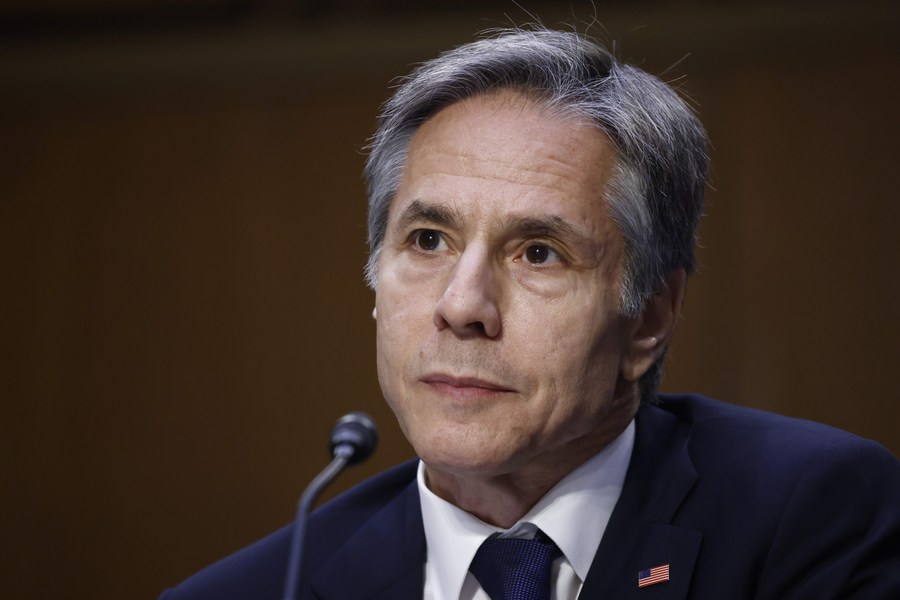
U.S.?Secretary of State Antony Blinken delivered a speech?and outlined the Joe?Biden administration’s policy toward China?on?May 26, describing?Sino-American relations as?“one of the most complex and consequential relationships of any that we have in the world today.”?In his words,?dealing with?China?poses?the?“most serious long-term challenge,”?but?he also?stressed the U.S.?wants to avoid “conflict or?a new Cold War.”
Li Wei, a professor of international relations at Renmin University of China, told?Beijing?Review?that?U.S.?officials?have?long described their?strategy toward?China?as?one of?“cooperation, competition and confrontation.” Nevertheless,?Blinken?this time shifted the rhetoric and?made it clear that the U.S.?will shape the environment around?China?via an?approach summed up in?another?three words—“invest, align and compete.”
“This?means?the Biden administration has developed a?strategic?framework toward China, one in which the country will further invest in its?competitiveness, align with?its network of?allies and partners, and compete with China?wherever the U.S. believes China should be?contained,” Li said.
He?further noted that one of the major changes in the American approach, compared with that of former President Donald Trump,?is the emphasis on co-existence?with China. Blinken?said?in his speech:?“We cannot rely on Beijing to change its trajectory.?So?we will shape the strategic environment around Beijing to advance our vision for an open?and?inclusive international system.”
“This implies that the?Biden?administration has given up the unrealistic notion of?bringing China to its knees?in the short term,”?Li?said.?“Instead, it wants to?enter?a?long-term?competition?with China.”
The professor added that the overall?policy toward?China has gone from?“hysterical irritability,?or?even anxiety?during the Trump era,?to a relatively peaceful state.”?This does not, however,?mean that?their?bilateral ties can be easily defrosted; it?only?means?that the?American?Government is?gradually?adapting to?reality, he added.
Biden has inherited?Trump’s?concept of strategic competition?with China and?intends to perpetuate?it.?“We all know?the?China-U.S.?relations cannot?go back in time,”?Li?added. But instead of?throwing in the towel, the U.S.?will exert pressure on China in an orderly manner through?different approaches.?The Quadrilateral Security Dialogue (commonly referred to as the QUAD), the?trilateral security alliance?of the U.S.,?the UK and Australia?(or AUKUS),?and the newly announced?Indo-Pacific Economic Framework?(IPEF), are all examples of these newfangled?attempts.
“We need to?carefully?manage our?domestic?affairs, develop our own economy, improve people’s living standards,?upgrade?our own innovation and research and development, and maintain social order,”?Li said of how?China should respond to the?American?strategy.?China also?should?“make more friends and build a global network of partnerships, all the while abiding by the principle of non-alignment.”
“Considering that our overall strength is relatively?inferior?to?that of the U.S.,?we should remain calm and objective—just like we always do,”?he continued. As for?issues concerning?China’s?core interests:?We?have no choice but to?resolutely defend?ourselves. At the same time,?China?can?conduct practical?cooperation?with the U.S.?in?the fields?like?climate change, global public health security,?international arms control?and non-proliferation, Li concluded.