Human Rights Protection After the COVID-19 Pandemic
 Facebook
 Twitter
 Linkedin
 Google +
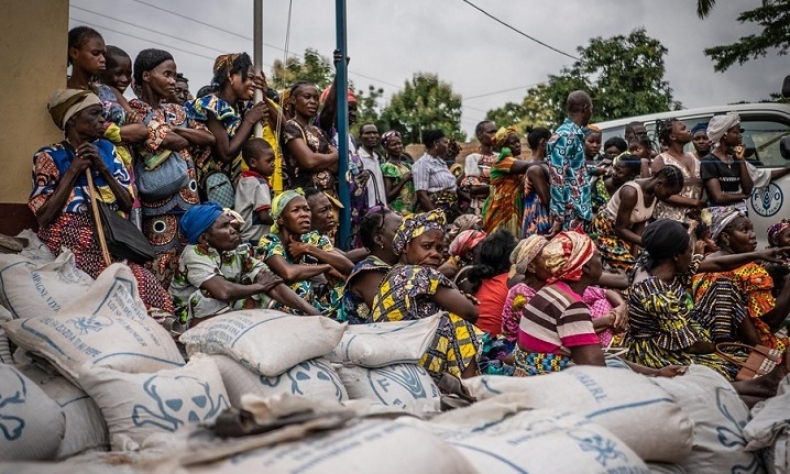
The imminent danger is that, through narrow self-interest, rich world governments will make the aftermath of the pandemic worse than the pandemic itself.
The pandemic may be over, but the world has not recovered from COVID-19. That was the conclusion of a recent workshop organized in Geneva by the UN Office of the High Commissioner for Human Rights, at which I caught COVID.
It is not clear how many people have died from COVID. The most authoritative study, published in?Nature?in January 2023, estimates that by the end of 2021 there had been between 13.2 million and 16.6 million excess deaths, approximately three times the number officially recorded as having died of COVID-19 (5.42 million). The virus is likely to have been the leading cause of death worldwide in 2021.
However, accurate data are not available for much of the world, so estimates must rely on statistical modelling. While it is presumed that death rates everywhere have been highest among the elderly, even this is not certain. Whereas 89 percent of deaths in high income countries in 2020 were among people aged 65 and over, this was true of just 59 percent in lower middle-income countries. The ages of those dying in low-income countries remain unknown. Forty-one percent of the 10.5 million children orphaned by the pandemic live in Southeast Asia, 24 percent in Africa.
Without vaccination and modern medicine, the death toll so far from COVID-19 could easily have been much higher. Fifty million people probably died in the influenza pandemic of 1918. ?However, the take-away message from the Geneva workshop was that the social and economic consequences of the pandemic were predictable and could have been avoided.??
Guy Ryder, the United Nations’ Under-Secretary-General for Policy, made this point succinctly: “The virus itself causes illness and death. But the lack of adequate social safety nets is what led to the mass devastation that continues to impact lives and livelihoods today.”?
Worldwide, sixty percent of workers have lower real incomes than before the pandemic with the greatest falls being experienced in the developing world. Women were more likely than men to lose their jobs during the pandemic, partly because disproportionate numbers work in sectors, such as tourism, accommodation, and food services, which contracted most due to lockdown policies. However, women were also disadvantaged by lack of seniority and inequitable caring responsibilities.?
Inflation triggered by the pandemic, albeit exacerbated by the Ukraine crisis, has eroded people’s ability to make ends meet, pushing the cost of basic foodstuffs beyond the reach of many. At yearend 2021, 828 million people were experiencing hunger, 150 million more than before the pandemic. Likewise, extreme poverty that the world hoped to eradicate before 2030 grew by 143 million to 798 million.?
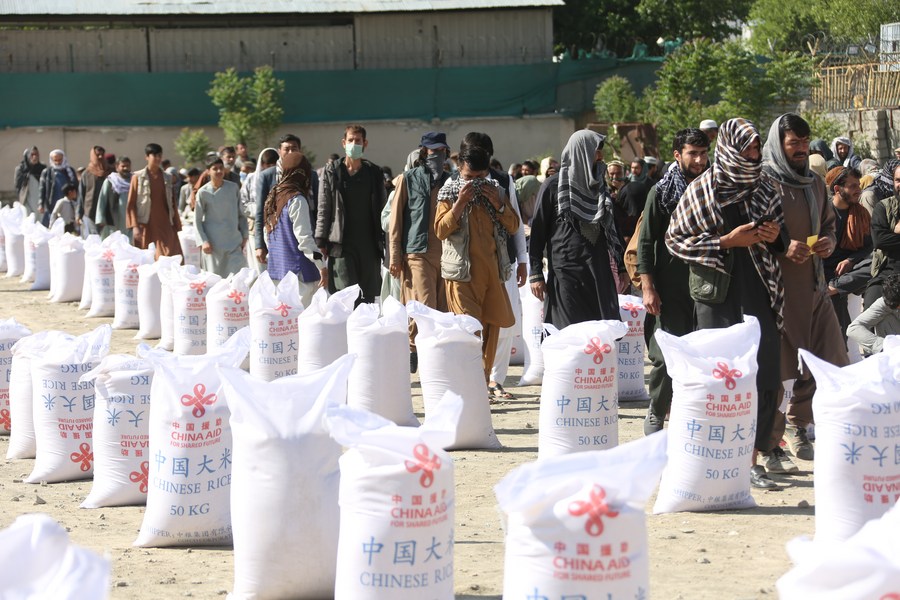
The populations that suffered most from the pandemic were inevitably those in countries and communities lacking in adequate?public health, social security, housing, and education.? In developed countries, these social protection policies prevented substantial increases in income inequality. However, at the start of the pandemic, 53 percent of the global population, heavily concentrated in developing countries, were not covered by any form of social protection.
Moreover, wealthier countries have been able to recover more quickly due to higher vaccination rates, better digital infrastructures and greater fiscal capacities. This has increased the income gap between rich and poor countries for the first time since 1993.
In low-income countries, the pandemic seemed to have the most impact in the comparatively prosperous urban areas but, wherever schools were closed, it was the poorest children without Internet access who fell behind in their learning.
The extra suffering experienced by people living in the developing world is not an inevitable consequence of lack of development. Rather, it results from the failure of rich countries to pay adequate attention to their legal and moral obligations to ensure that people everywhere can enjoy their rights to social security, health care and education.
While?it is national governments that?have the primary and overall responsibility to ensure the full realization of human rights, it is well recognized that developing countries must be assisted in fulfilling this duty. As long ago as 1970, rich countries agreed to devote 0.7 percent of their gross national income to overseas development assistance (ODA). Yet, even in 2021 when an eighth of assistance was a response to the pandemic, they contributed less than half this sum (0.33 percent). This lack of commitment is also apparent in the United Nations’ Sustainable Development Goals (SDGs) which 191 governments have agreed should be attained by 2030. SDG 17 refers to partnerships in which the developed world supports the developing world. It is, though, the only goal without measurable new performance targets.
The imminent danger is that, through narrow self-interest, rich world governments will make the aftermath of the pandemic worse than the pandemic itself. Inflation – which averaged over nine percent in 2022 – has led the United States’ Federal Reserve repeatedly to raise interest rates with profoundly detrimental effects on developing countries. The resultant capital outflows and currency depreciations have added to balance-of-payment pressures and reduced countries’ ability to repay debts.??
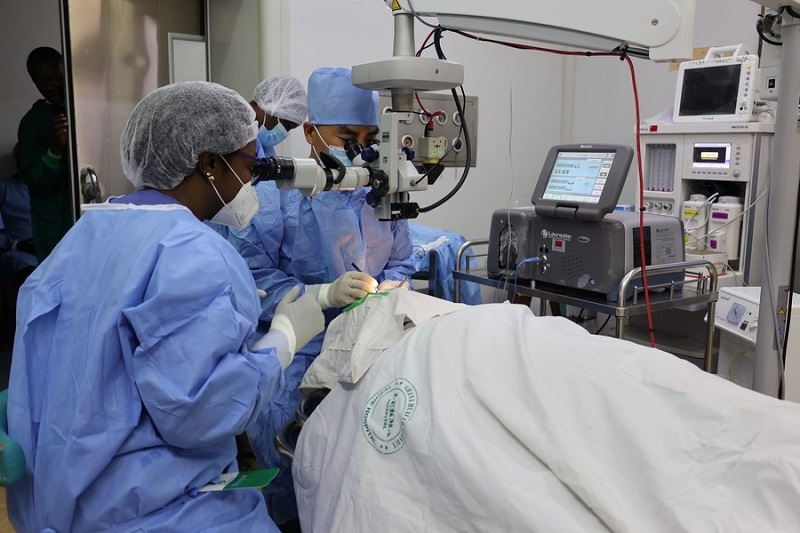
The International Monetary Fund initially encouraged governments to increase spending to mitigate the severe impact of the pandemic. However, fears of inflation and indebtedness have initiated a drive toward fiscal consolidation, cutting spending, raising taxes and, thereby lowering the incomes of 85 percent of the world’s population. At least 73 developing countries that took on loans to negotiate the pandemic have now been ‘advised’ to pursue financial austerity.
Financial austerity protects the loans and investments made by donor countries and corporations and transfers resources from poor to rich, both within and between countries. It is just one of the many structural injustices that limit post-pandemic recovery and progress on the SDGs.
At the workshop, Volker Türk, the UN High Commissioner for Human Rights,?advocated?dismantling ‘the architecture of inequalities,’ rebuilding ‘economies with an architecture that enhances human rights – and therefore facilitates trust in government; sustainable development; and peace.’?
The core principles for building the ‘human rights economy’ envisaged by Volker Türk can be found in Resolution 49/19 adopted by the United Nations’ Human Rights Council on April 1, 2022. The same resolution proposed the workshop held in Geneva.??
Rather than cutting spending, the Resolution emphasizes states’ ‘responsibilities and commitments to use their maximum available resources to promote and protect economic, social and cultural rights in responding effectively to the COVID-19 pandemic and other global challenges.’?
Austerity policies and programs can ‘impede enjoyment and realization of economic, social and cultural rights’ that governments are obliged to pursue. Therefore, the Resolution instead proposes ‘the enhanced provision of concessional loans, assistance and support,’ ‘mobilizing resources towards the full and equal enjoyment of these rights and avoiding any further economic burden on those in marginalized or vulnerable situations.’
To achieve these aims it is essential, as the Resolution acknowledges, ‘to scale up international cooperation to support developing and least-developed countries’ that ‘are disproportionately bearing the socio-economic impacts of the pandemic.’ Based on ‘unity, solidarity, multilateral cooperation and the principle of leaving no one behind’ it becomes possible ‘to ensure that everyone everywhere [can] have access to essential services, resources and social protection.’
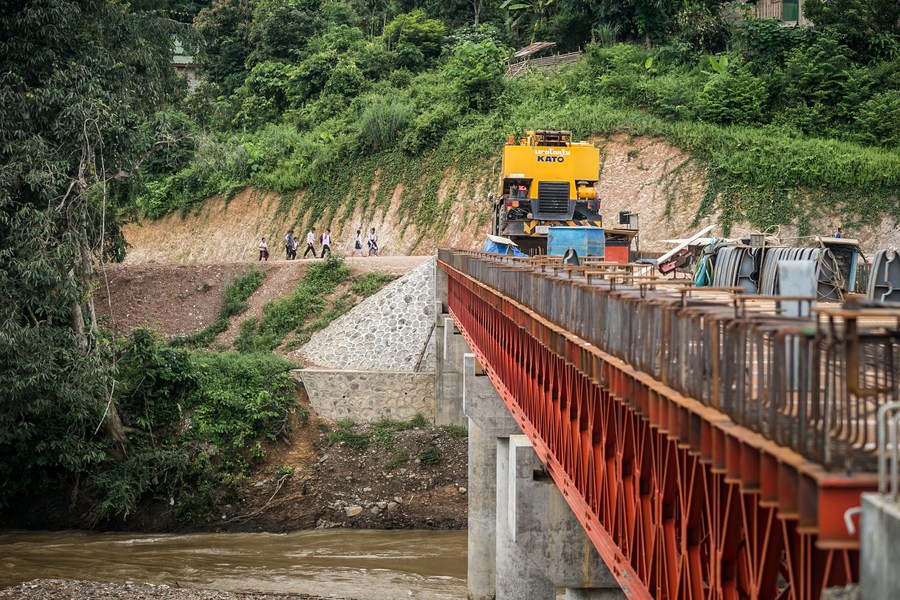
Speaking at the Workshop, Ambassador Chen Xu, Permanent Representative of the People’s Republic of China to the United Nations Office at Geneva, reaffirmed China’s commitment?as the Resolution’s main sponsor. He cited, as evidence,?the Global Development Initiative, announced by President Xi Jinping in 2021, which aims to support the timely achievement of the SDGs by fostering international cooperation and promoting global development. The initiative is now supported by over 100 countries. Being the first government to seek to eradicate rather than to merely reduce extreme poverty, Chinese officials have uniquely had to negotiate the indivisibility of human rights. When environments cannot sustain above-poverty livelihoods, the practical solution of relocation must be accompanied by provision of housing, employment, education and healthcare in fulfilment of people’s economic, social and cultural rights. There is, then, in Resolution 49/19, a roadmap for economic and social recovery from the pandemic that builds towards a ‘human rights economy.’ Qatar and the United Arab Emirates were, regrettably, the only rich countries to support the Resolution alongside 29 developing countries including Brazil, China, and India.? All others – the U.S.A., the U.K., the Republic of Korea, Poland, Netherlands, Luxembourg, Japan, Germany, France, and Finland – voted against.? ?
It seems, therefore, that ‘the architecture of inequalities’ that High Commissioner Volker Türk wants dismantled permeates the United Nations itself, mocking the concept of universal human rights. Perhaps, as I argued in Geneva, it is necessary to rebuild the?United Nations around an elected General Assembly working in the interests of ‘we the people’ not ‘we the peoples.’?
In the meantime, the world should note which governments actively support human rights and which do not.?