The COP27 and Beyond
 Facebook
 Twitter
 Linkedin
 Google +

The international community’s response to climate change now faces severe challenges and developing countries have suffered the most from global warming. It urges developed countries to step up to their historical responsibilities and fulfill their due international obligations.
The 27th Session of the Conference of the Parties (COP27) to the UN Framework Convention on Climate Change (UNFCCC) convened from November 6 to 18 in the Egyptian resort city of Sharm El-Sheikh.
This year’s conference came at a time of growing concerns over the global environment, with accumulating political and security challenges consuming the world’s attention and budget to manage climate change.
A changing world
Climate change may be the most severe and common challenge humanity faces, a fact clear from Pakistan’s devastating floods, Europe’s hottest summer in 500 years, Cuba’s blackouts, hurricanes in the U.S., continuing carbon emissions, increasing torrential rains, heatwaves, wildfires, droughts, desertification, and the displacement of hundreds of millions of people. As UN Secretary General António Guterres warned, “…we are on a highway to climate hell with our foot still on the?accelerator.”
The essence of combating climate change is to reduce greenhouse gas emissions, the main cause of rising temperatures. However, since the U.S. and the EU have imposed an embargo on Russian oil and gas, turning energy into a coercive tool following the outbreak of the Russia-Ukraine conflict, many EU countries have returned to the environmentally destructive use of coal, the dirtier fossil fuel, and reevaluated previous commitments and pledges in the framework of international agreements to reduce greenhouse gas emissions. At the same time, explosions in the Nord Stream pipelines, which link Russia and Germany through the Baltic Sea, have released a large amount of natural gas into the atmosphere, putting at risk global emission reduction achievements.

Tensions over the war in Ukraine and skyrocketing energy and food prices have hugely affected economic and political policies across the world, further complicating any breakthroughs in climate governance. Plus, developed countries could use the looming economic recession, soaring inflation and higher interest rates as excuses to renege on their climate change promises, especially the commitment to providing an annual $100 billion in climate financing to developing countries.
Today’s multiple crises of geopolitical conflicts, together with extreme weather disasters and the lingering effects of the COVID-19 pandemic, challenge the world. Under the circumstances, the COP27 is even more important as it reflects the urgency, on a global scale, of cutting greenhouse gas emissions and boosting climate action, avoiding the spillover of other issues into the climate change governance, and not allowing any geopolitical differences to interfere with the efforts to prioritize climate action.
Core goals
The COP27 was themed Together for Implementation. The conference envisioned translating climate pledges into action and ensuring fulfilled commitments on financing climate action in developing countries.
Addressing the event’s high-level segment, Egyptian President Abdel-Fattah al-Sisi said the people of the world were expecting the leaders’ meeting at the COP27 “to take real and concrete steps toward reducing emissions, enhancing adaptation to the consequences of climate change, and providing the necessary financing for developing countries that suffer the most from the current climate crisis.”
The COP27 sent the general message that the world urgently needs to restore collective, complementary and collaborative actions to adapt to the effects of climate change, mitigate its negative repercussions, provide climate finance, and make the necessary pivot from negotiations to implementation and get moving on the massive transformation that must take place throughout all layers of society to address the climate emergency.
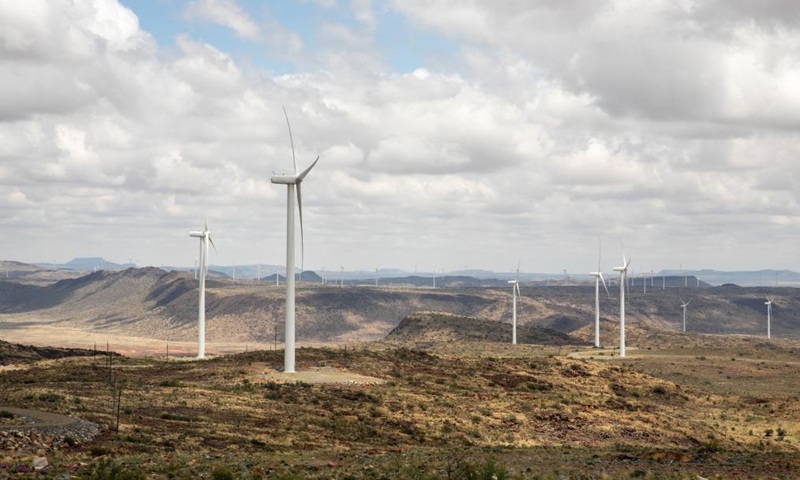
On November 8, Egypt’s presidency launched the Sharm El-Sheikh Adaptation Agenda outlining 30 outcomes, each of which offered solutions that could be adopted at the local level to adapt to climate change. These outcomes collectively represent the first global plan to bring together all parties concerned through international climate action, rallying both state and non-state players behind a shared set of adaptation actions mainly across five priority areas: food and agriculture, water and nature, coasts and oceans, human settlements, and infrastructure. The agenda includes global 2030 targets related to transitioning to climate-resilient and sustainable agriculture, protecting and restoring critical ecosystems, installing smart and early warning systems that could benefit around 4 billion people worldwide, investing to protect mangroves, and expanding people’s access to clean cooking.
Its overall structure contains a focus on?implementation aimed at the mobilization of collective efforts for ambitious emission reductions from different sectors, an enhanced transformative adaptation agenda and the allowance for appropriate and timely finance flows.
This year’s COP27 also put a welcome emphasis on Africa and launched the UN-backed Africa Carbon Markets Initiative (ACMI) to raise African carbon credits.
The ACMI is in line with the five COP27 priorities. African countries are keen to implement the initiative by establishing carbon markets that help with executing all aspects of climate action, including adaptation and mitigation measures that reflect the adoption of a holistic approach toward climate action. The establishment of carbon markets will have a positive impact on development across the African continent.
China in action
China lends climate change high priority in its national governance system and strives for further progress by integrating the goals of peaking carbon emissions and achieving carbon neutrality into the country’s overall plans for promoting ecological advancement as well as economic and social development. It focuses on creating synergy between reducing pollution and controlling carbon emissions to promote a comprehensive transformation toward environment-friendly economic and social development.
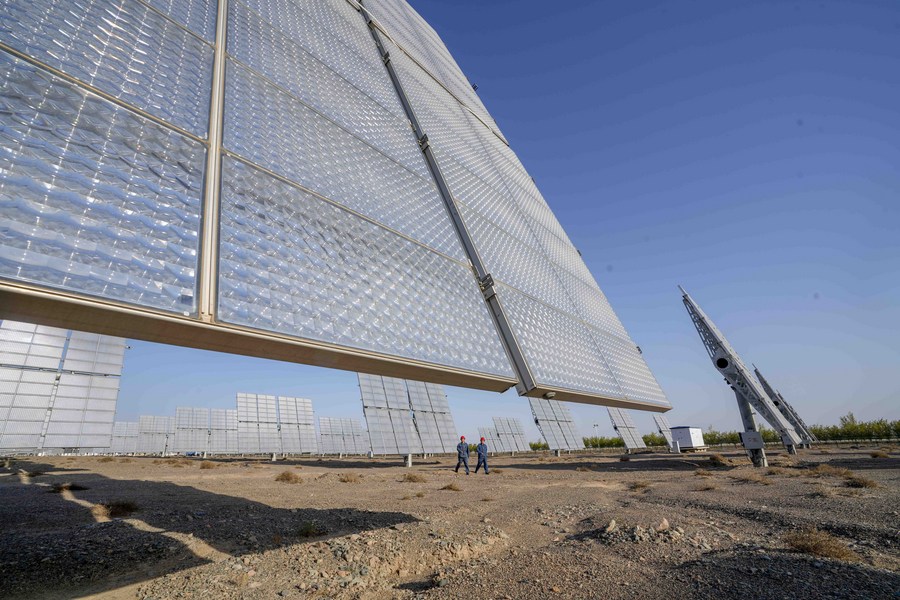
In the past decade, China has accounted for 30-50 percent of global energy conservation, energy efficiency improvement, renewable energy development, and green transportation and construction. To implement the “dual carbon” goals, which are to peak carbon emissions before 2030 and achieve carbon neutrality before 2060, China has established a carbon neutralization working mechanism that has clarified the top-level design of the “dual carbon” undertaking, formulated implementation plans in energy, industry, transportation and other key areas, and established a carbon neutrality policy system.
From 2012 to 2021, China supported an average annual economic growth rate of 6.6 percent with an annual energy consumption growth rate of 3 percent. Its carbon emissions per unit of GDP dropped some 34.4 percent, and its energy intensity fell by 26.4 percent. In July 2021, China formally launched the national carbon emission trading market, covering about 4.5 billion tons of carbon emissions per annum, making it the biggest of its kind in the world.
In addition to promoting domestic adaptation, China has been carrying out cooperation with other developing countries on adapting to climate change. By July 2022, China had allocated funds totaling over 1.2 billion yuan ($169 million) to related projects and signed 43 related cooperation documents with 38 developing countries. It adopts an active approach to capacity-building training, helping train officials and technicians from many other developing countries in the field of climate change. It has also provided equipment, including micro-satellites, meteorological mobile stations and drones, to help them improve their natural disaster monitoring and early warning mechanisms as well as climate adaptation abilities.
China holds that the international community’s response to climate change now faces severe challenges and developing countries have suffered the most from global warming. It urges developed countries to step up to their historical responsibilities and fulfill their due international obligations. They should deliver on their promise of mobilizing $100 billion per year for climate action in developing countries as soon as possible, offer a roadmap for doubling adaptation finance, and take credible steps to help developing countries improve climate resilience, enhance mutual trust between North and South and form greater synergy in actions.