Why China and ASEAN Must Deepen Digital Innovation Cooperation
 Facebook
 Twitter
 Linkedin
 Google +

Cooperation between China and ASEAN in digital infrastructure, artificial intelligence, mobile payments and e-commerce will lay a strong foundation for deepening digital collaboration and accelerating regional digital integration.
Deepening digital cooperation between China and ASEAN is crucial for driving regional economic growth and innovation, according to Koh King Kee, president of the Centre for New Inclusive Asia, who delivered a keynote address at the Shanghai Forum 2025 on April 25.
The forum brought together more than 500 representatives from think tanks, universities, governments, businesses and media outlets?from over 50 countries and regions.
This year’s theme, “Age of Innovation: Technology, Development and Governance,” centered on addressing global challenges and exploring inclusive, equitable development paths for Asia and the world amid unprecedented changes.?Koh discussed strengthening digital infrastructure collaboration between China and ASEAN countries.
The following is the full text of Koh’s speech,”Bridging Innovation:?Advancing China-ASEAN Digital Technology Collaboration,” lightly edited for clarity.
Transcript:
The digital revolution has fundamentally reshaped how we live, work and connect. Digital technology is no longer just a tool but a powerful catalyst for economic growth, social development and cultural exchange.
China, ASEAN and its member countries have each launched their own digital transformation strategies and initiatives. As digital cooperation deepens, the China-ASEAN digital economy is poised to become a key pillar of their broader economic partnership. China’s strengths in 5G technology, artificial intelligence and digital infrastructure could offer valuable support for ASEAN’s digital development.
China is a global leader in 5G technology, with over 4.39 million 5G base stations covering 75.9% of its 1.4 billion population. With an internet penetration rate of 78.6%, it boasts about 1.1 billion internet users.
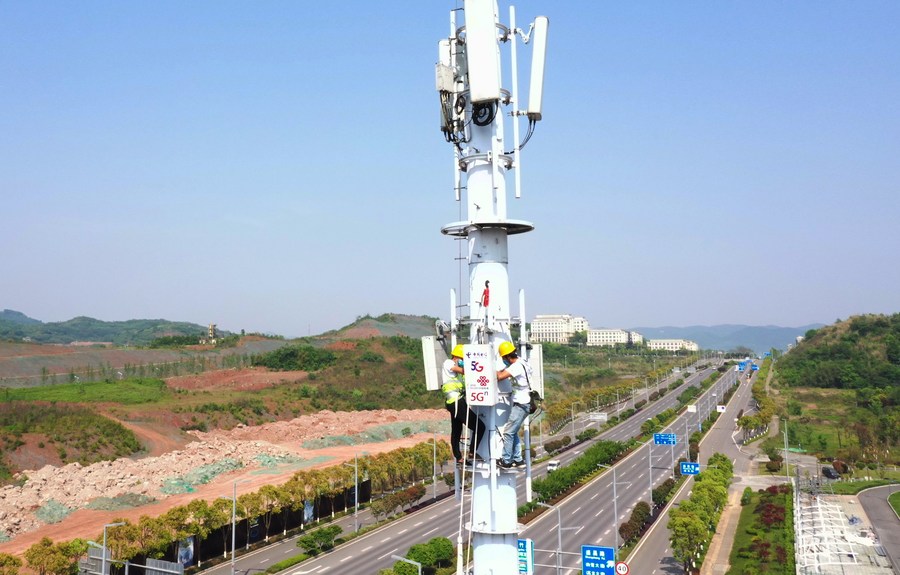
China can draw on its digital transformation experience to deepen strategic cooperation with ASEAN countries in digital technology by leveraging its leadership in 5G technology, digital infrastructure, e-commerce,?mobile payment systems and so on.
One illustrative example is the China-Laos AI Innovation Cooperation Center and the port of the Friendship Pass, where advanced AI and 5G technologies have enabled fully automated customs and freight operations. These innovations aim to streamline logistics, enhance customs efficiency and boost cross-border trade, demonstrating how digital technologies can drive economic integration across the region.
The inclusion of a digital economy chapter in version 3.0 of the China-ASEAN Free Trade Agreement will also set the stage for a more integrated China-ASEAN digital ecosystem, as ASEAN’s digital economy is expected to reach $2 trillion by 2030.
A strong digital infrastructure is the foundation of a thriving digital economy. Acknowledging this, China and ASEAN have launched multiple initiatives to strengthen regional connectivity.
Today, more than 30?cross-border terrestrial optical cables link China with various ASEAN markets, reinforcing the region’s digital backbone. To further advance China-ASEAN digital collaboration, China is also advocating for the creation of an Asian Undersea Cable Association, along with a regional computing power interconnection partnership plan.
These initiatives will ensure that all member states have access to high-speed, reliable internet — an essential driver of economic growth, innovation and social inclusion.
With the rise of AI, China and ASEAN have committed to developing industry standards and promoting responsible governance to ensure inclusive and equitable growth across the region. Plans are also underway to establish a China-ASEAN AI Cooperation Center, which will serve as a hub for joint AI projects and act as a catalyst for broader digital transformation initiatives.
The China-Malaysia joint statement, released during President Xi Jinping’s recent visit to Malaysia,?welcomed the participation of Chinese enterprises in the development of Malaysia’s 5G network. Both sides also acknowledged the crucial role of e-commerce as a catalyst for trade, economic growth, innovation and the empowerment of micro-, small- and medium-sized enterprises.
Plans are also underway to establish a China-ASEAN Digital Academy, which aims to equip ASEAN member states with the skills and knowledge necessary for digital development. Building human capital is a crucial foundation for sustaining long-term digital progress across the region.

Cooperation between China and ASEAN in digital infrastructure, artificial intelligence, mobile payments and e-commerce will lay a strong foundation for deepening digital collaboration and accelerating regional digital integration.
China can play a pivotal role in supporting ASEAN member states by investing in the development of digital infrastructure, such as 5G networks, fiber-optic connectivity and data centers, in such ways as?funding and technology transfer.
At the same time, enhancing cross-border trade requires greater collaboration among major e-commerce platforms such as Alibaba, JD.com, Lazada and Shopee. This includes improving the regional logistics ecosystem and promoting interoperability between mobile payment systems and e-wallets, enabling seamless transactions between Chinese and ASEAN service providers.
China-ASEAN digital integration is a vital component of the evolving relationship between China and ASEAN countries as both sides seek to enhance connectivity, drive economic growth and accelerate digital transformation across the region.
Collaboration can be deepened through the establishment of joint research and development centers focused on cutting-edge technologies such as artificial intelligence, robotics and quantum computing. Particular emphasis should be placed on applying AI to critical sectors such as agriculture, health care, and public services, especially in underserved areas of ASEAN, to foster inclusive innovation.
To build secure and trusted digital ecosystems, a regional policy dialogue on cybersecurity and data governance can help harmonize standards and regulations. At the same time, China can contribute to capacity-building by training ASEAN cybersecurity professionals and sharing technical expertise and best practices.
Indeed, developing a robust digital talent pool is crucial. This can be achieved through academic partnerships, scholarship programs, student exchange initiatives and the establishment of vocational training hubs or digital academies supported by leading Chinese technology firms.
Regulatory harmonization, through the creation of consistent frameworks for digital trade, services and aligned ICT standards, plays a critical role in facilitating smoother cooperation and broader market access. At the same time, multilateral platforms such as the China-ASEAN Digital Ministers’ Meeting and the Regional Comprehensive Economic Partnership (RCEP) can provide valuable channels for strategic coordination and effective implementation of shared digital priorities.
To ensure the benefits of digital integration are both inclusive and sustainable, it is essential to promote environmentally responsible ICT infrastructure and implement targeted initiatives to bridge the digital divide, particularly in rural and underserved communities.
As I highlighted earlier, capacity-building is an important pillar of the China-ASEAN digital partnership. China could support the development of digital talent through training programs, scholarships and initiatives such as the China-ASEAN Information Harbor. Meanwhile, joint initiatives in smart city development are driving urban digitalization, improving public service delivery and advancing sustainability across the region.

Nevertheless, China-ASEAN digital collaboration also faces significant challenges. Concerns about digital sovereignty and cybersecurity persist as ASEAN countries remain cautious about data privacy and potential surveillance. These issues highlight the urgent need for stronger mutual trust and the development of robust regulatory frameworks.
Furthermore, regional unity and policy coherence may be strained amid intensifying geopolitical tensions. Navigating these complex dynamics will require skillful diplomacy, among others.
Another concern is the uneven pace of digital development across ASEAN, along with persistent rural-urban divides, which could pose barriers to seamless regional integration. Regulatory and policy inconsistencies, including mismatched rules on digital trade, data localization and intellectual property, further complicate digital cooperation.
Despite these challenges, the?immense potential benefits of China-ASEAN digital integration far outweigh the risks. Unlocking these opportunities will require a forward-thinking strategy that prioritizes collaboration and inclusivity.
Establishing a unified digital framework, shaped through ongoing multilateral dialogue among policymakers, industry leaders and technical experts from both sides, is essential. Such a framework can help harmonize digital standards, reduce regulatory fragmentation and facilitate smoother cross-border digital interactions.
Equally vital?is the enhancement of cybersecurity cooperation and the development of trust-building mechanisms. By collaboratively addressing cybersecurity threats and championing transparent data governance, China and ASEAN can cultivate a secure and resilient digital landscape.
At the same time, it’s essential to prioritize inclusive digital development to bridge persistent intra-regional disparities, particularly between urban and rural areas and among less-developed ASEAN member states.
Key initiatives should focus on expanding affordable internet access, advancing digital literacy and directing targeted investments toward underserved communities. Furthermore, fostering dynamic public-private partnerships will be instrumental in driving innovation and delivering large-scale digital infrastructure. By harnessing the strengths of government leadership alongside the agility of the private sector, China and ASEAN can co-create a digitally empowered, equitable and future-ready regional ecosystem and jointly build a collaborative, inclusive and secure China-ASEAN digital community.