Why U.S.-China Cooperation Is Essential for Asia’s Future
 Facebook
 Twitter
 Linkedin
 Google +

The future of the Asia-Pacific, and indeed the stability of the global economy, depends on their ability to coexist constructively in an interconnected world.
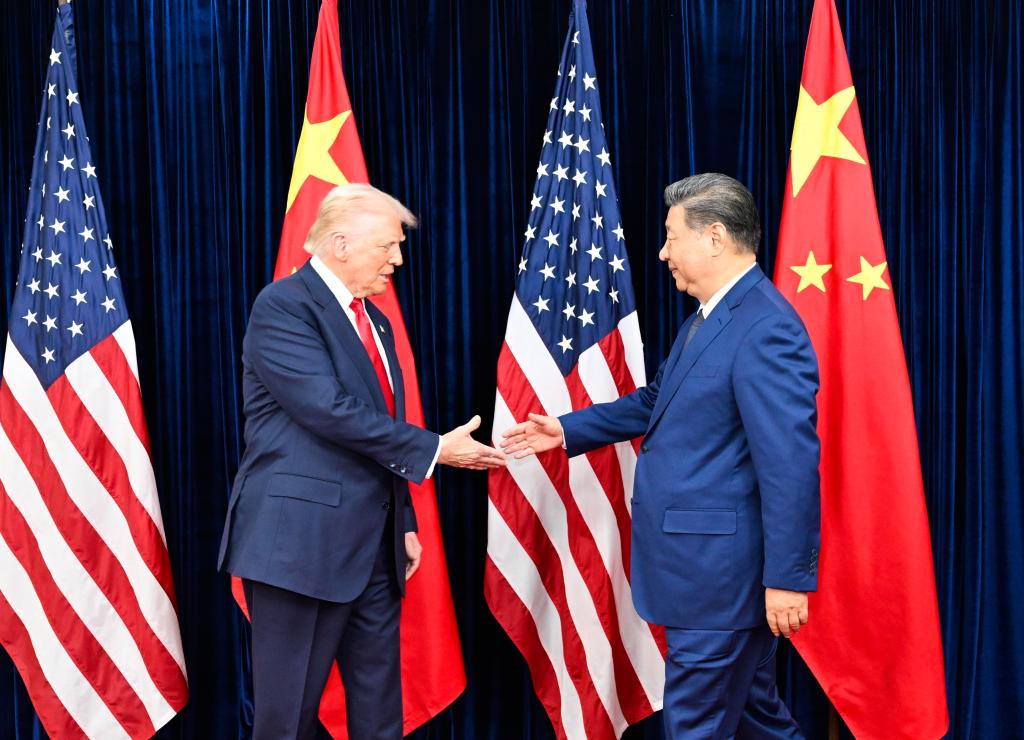
A meeting between the leaders of China and the United States carries significance far beyond bilateral diplomacy. In an era characterized by strategic rivalry and economic tension, such engagement signals a shared recognition that dialogue remains indispensable. It reassures the world that the two largest economies, despite their differences, seek to manage their relationship responsibly rather than drift toward confrontation.
Nowhere is the impact of this dynamic more deeply felt than in the Asia-Pacific, the primary engine of global growth. The region’s economies are intricately woven into supply chains that depend on both Chinese and American manufacturing and consumption. When the U.S. and China coordinate, they create predictability and openness that allow these networks to thrive. For Asian nations, stability means the freedom to engage with both powers on their own terms, without being forced to choose sides.
From Beijing’s perspective, the path forward is not one of inevitable competition but of necessary coordination. Chinese leaders frequently emphasize a “win-win” model of cooperation, an approach that rejects zero-sum thinking in favour of shared progress. The enormous resources now poured into rivalry, they argue, would yield far greater benefits if directed toward common challenges such as climate change, global health, and sustainable development. A cooperative framework between Washington and Beijing would not only enhance their own prosperity but also serve as a stabilizing force for the entire region.
The U.S. must also recognize that China’s national power is no longer rooted solely in manufacturing. Over the past two decades, sustained investment in education, research, innovation?and human capital has transformed China into a global leader in critical technologies such as artificial intelligence, electric vehicles, and renewable energy. This evolution reflects a governance model that plans for the long term and prizes advanced technology as the driving force and technological sovereignty as the foundation of national strength.
A U.S. strategy grounded in the notion that China’s rise must be contained through tariffs or technology bans is therefore misguided. Such a zero-sum approach underestimates China’s innovation capacity and deepens mistrust, pushing Beijing to accelerate self-sufficiency. The result is a lose-lose dynamic that damages both economies and destabilizes the global system.
The alternative is not na?ve cooperation, but managed competition anchored by respect and dialogue. This approach would allow the two powers to coexist while seeking common ground on issues where their interests converge, such as climate resilience, pandemic preparedness, and sustainable infrastructure. Mutual respect does not erase strategic differences, but it makes them manageable.
The establishment of cooperative “guardrails” is crucial to this vision. When the U.S. and China coordinate, they can drive growth, attract investment, and accelerate technological transfer across the Asia-Pacific. The?Belt and Road Initiative (BRI), for instance, remains a key channel for infrastructure development – its focus now shifting toward green and high-tech projects. In 2023, BRI engagement rebounded to $92.4 billion, with increasing investment in electric vehicle technology and the minerals essential to the green transition.
Competition between the U.S. and China continues through parallel programs like Washington’s Partnership for Global Infrastructure and Investment (PGII). Left unchecked, this rivalry risks deepening global fragmentation. But managed smartly, it could become a competition with purpose. Joint projects in third countries, such as building climate-resilient cities in the Philippines, would turn rivalry into shared progress. Likewise, a “pathfinder multilateralism” approach, where smaller coalitions of countries backed by both powers advance cooperation in trade, technology, and sustainability, could transform tension into opportunity.
Looking ahead, the stakes are clear. The deep economic interdependence between China and the United States means that open confrontation would harm both sides and the wider world. Supply chain disruptions, inflationary pressures, and stalled progress on global challenges would follow. Such an outcome would erode growth not only in the two powers but across Asia, which depends on their stability for its own prosperity.
At the same time, China has successfully diversified its partnerships through the BRI and its outreach to the Global South, strengthening its role in shaping a more multipolar world order. This vision of inclusive growth rather than dominance resonates deeply with developing nations seeking greater rights for development. Against this backdrop, the United States faces a strategic choice: treat China’s rise as a zero-sum threat or engage it as a peer competitor whose cooperation is essential to both U.S. economy and global stability.
Across Asia, Africa, and Latin America, frustration is mounting. These regions urgently need real support in infrastructure, manufacturing, and technology, not empty rhetoric. They are increasingly able to see who is genuinely committed to their development and who is not. As patience runs out, many are asserting a stronger hold of their destinies, embracing a multipolar world order that promises partnership rather than patronage, and equality rather than dependence.
If Washington clings to the former view, it risks alienating the very partners across Asia, Africa, and Latin America who wish to work with both powers. Instead of containing China, such a policy would hasten the emergence of a multipolar world and diminish U.S. influence within it.
The wiser path is to build guardrails, not walls, a framework that allows rivalry without rupture, competition without collapse. Cooperation between the U.S. and China is not an act of concession but a pragmatic necessity. The future of the Asia-Pacific, and indeed the stability of the global economy, depends on their ability to coexist constructively in an interconnected world.
The article reflects the author’s opinions, and not necessarily the views of China Focus.